
Why Choose Non-Toxic Rodent Control Options - Safe Rodent Pest Control Measures In Port Macquarie

Abbie W. • September 18, 2025

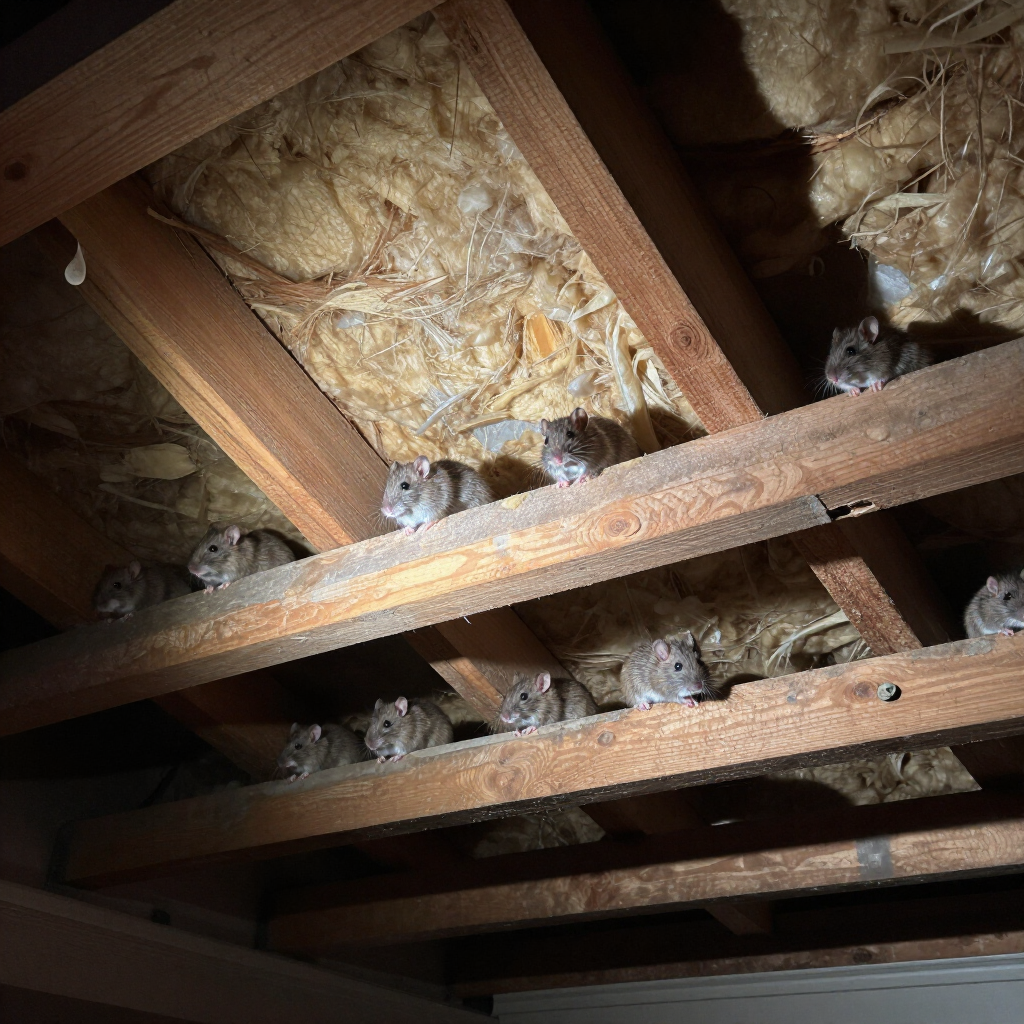
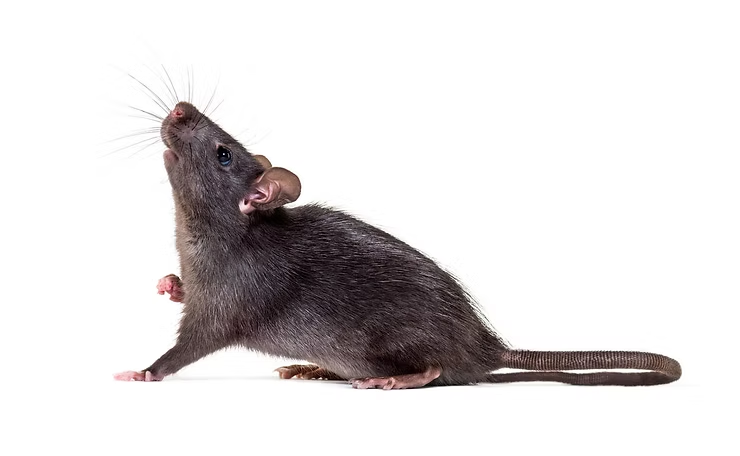
Black Roof Rat (Rattus Rattus).

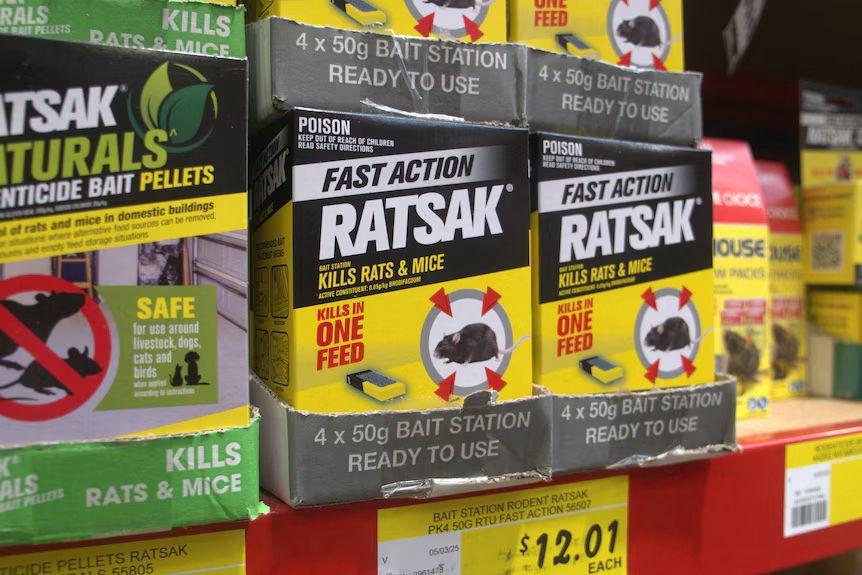
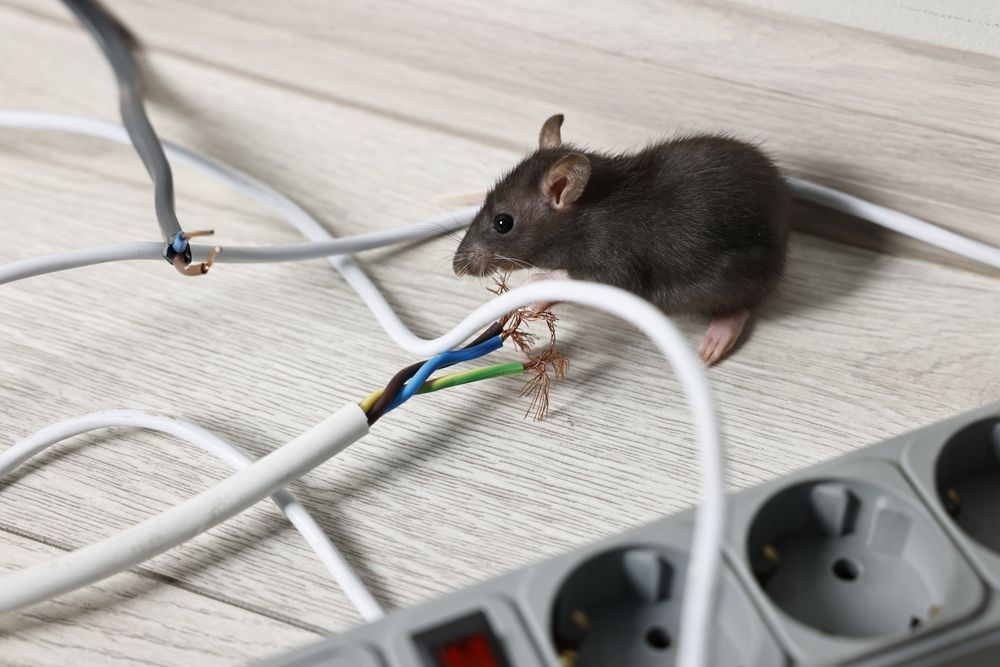
Rodents can be a real nuisance. They invade homes, kitchens, clinics, schools, and other buildings, causing damage and spreading germs. When it comes to dealing with these unwelcome guests, many people turn to rodenticide baits but there are other options. Choosing safe rodent control measures not only protects your property but also keeps your family, staff, and visitors safe. In this post, I’ll share why I believe non-toxic options are the smartest choice and how you can implement them effectively.


Understanding Safe Rodent Control Measures


Safe rodent control measures focus on IPM techniques and non-chemical controls -managing and preventing rodent problems without using chemicals. These methods aim to reduce risks to humans, pets, and the environment. Instead of relying on chemical applications, safe control methods focus on environmental controls, sanitation, pest proofing entry points as well as using traps, barriers, and natural deterrents.


For example, sealing entry points around your property is a simple but powerful step. Rodents can squeeze through tiny gaps, so inspecting walls, doors, and vents regularly helps keep them out. Installing metal mesh or weather stripping can block these access points.


Another effective measure is maintaining cleanliness. Rodents are attracted to food scraps and clutter. Keeping kitchens, storage areas, and outdoor spaces tidy removes their food sources and hiding spots. This makes your property less inviting. Water sources around the perimeter of properties also provide habitation to rodents.


Safe rodent control also includes monitoring. Using humane live capture methods can reduce their numbers without unpleasant smells coming from the roof or walls and avoids any chance of secondary poisoning of pets or native wildlife. Regular inspections can help problem locations.

Sealing entry points to prevent rodent access

Why Safe Rodent Control Measures Matter


Choosing safe rodent control measures is about more than just avoiding poisons. It’s about protecting health, property, and the environment. Rodenticides can be dangerous if accidentally ingested by children, pets, or wildlife. 


In places like clinics and schools, safety is paramount. Using non-toxic methods ensures that vulnerable people are not exposed to harmful chemicals. It also aligns with eco-friendly values, reducing chemical footprints in the community.


From a practical standpoint, safe methods often provide longer-lasting results. Rodents are known for consuming large amounts of baits, especially in large populations, making baiting a costly long-term endeavor. Physical barriers and habitat management tackle the root causes of infestations, preventing rodents from returning.


Additionally, safe rodent control supports local ecosystems. Predators like owls and snakes help keep rodent populations in check naturally. Avoiding rodenticide baits helps maintain this balance and prevents secondary poisoning of native wildlife.


If you do prefer the use of rodenticide baits, consider our professional service, with expert knowledge on picking the right bait to minimise secondary poisoning risks, with guaranteed results. Or our humane live capture options: non-toxic rodent control

Maintaining cleanliness to deter rodents

What is the Best Non Toxic Rat Deterrent?


When it comes to deterring rats without chemicals, several options stand out. Each has its strengths, and often a combination works best.


Ultrasonic Repellents 

These devices emit high-frequency sounds that rats find uncomfortable. They are safe for humans and pets and easy to install. However, their effectiveness can vary depending on the environment and placement.


Natural Scents 

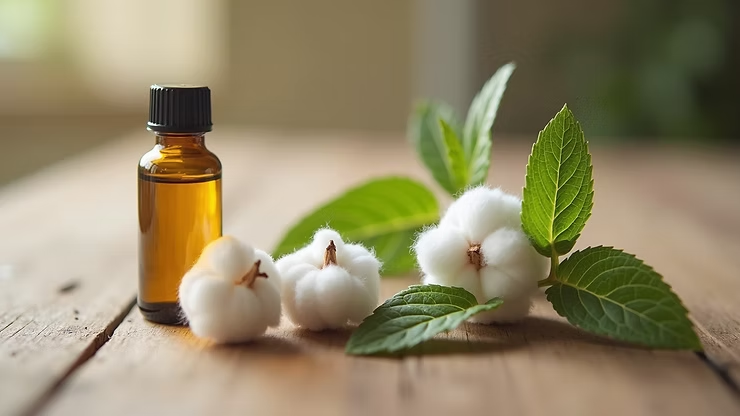
Certain smells repel rodents. Peppermint oil, for example, is a popular choice. Soaking cotton balls in peppermint oil and placing them near entry points or suspected nests can discourage rats. Other scents like eucalyptus or cloves may also help.


Physical Barriers 

As mentioned earlier, sealing holes and gaps is crucial. Using steel wool, metal flashing, or wire mesh prevents rats from entering buildings. This method is highly effective and permanent when done thoroughly.


Traps 

Humane traps allow you to catch rats alive and release them far from your property. Snap traps are another option but should be used carefully to avoid harm to non-target animals.


Environmental Management 

Removing food sources, trimming vegetation near buildings, and reducing clutter make your property less attractive to rats. This is a foundational step in any rodent control plan.


Combining these methods creates a strong defense against rats without relying on toxic substances. It’s a practical, safe, and environmentally friendly approach.

Using peppermint oil as a natural rat deterrent

Practical Tips for Implementing Safe Rodent Control


If you’re ready to adopt safe rodent control measures, here are some actionable steps to get started:


Inspect Your Property Regularly 

Look for signs of rodents such as droppings, gnaw marks, or nesting materials. Check common entry points like doors, windows, vents, and pipes.


Seal Entry Points 

Use steel wool, caulk, or metal mesh to close gaps. Pay special attention to areas where utilities enter the building.


Keep Food Secure 

Store food in sealed containers. Clean up crumbs and spills immediately. Avoid leaving pet food out overnight.


Maintain Cleanliness 

Regularly remove garbage and clutter. Keep outdoor areas tidy and free of debris.


Use Natural Deterrents 

Place peppermint oil-soaked cotton balls or other natural repellents near suspected rodent areas.


Set Humane Traps 

If you catch rodents, release them at least several kilometres away from your property to prevent return.


Monitor and Adjust 

Keep track of rodent activity and adjust your methods as needed. Persistence is key.


By following these steps, you can create a rodent-unfriendly environment that protects your property safely and effectively.


Embracing Eco-Friendly Rodent Control for a Safer Future


Choosing safe rodent control measures is a responsible decision that benefits everyone. It protects your home, clinic, or school from damage and disease while safeguarding the health of people and pets. It also supports the environment by reducing chemical use and preserving natural predator populations.


In the Port Macquarie region, where community and nature are valued, adopting eco-friendly pest solutions is especially important. By using science-based, non-toxic methods, you contribute to a healthier, safer environment for all.


If you want to explore trusted options and expert advice, consider reaching out to professionals who specialize in non-toxic rodent control. Our knowledge and experience can help you protect your property with confidence and care.


Taking these steps today means fewer worries tomorrow. Safe rodent control is not just a choice - it’s a commitment to a better, cleaner, and safer space for everyone.

Maintaining outdoor areas to reduce rodent habitats


Our approach targets root causes and supports long-term results with minimal environmental impact.

Cockroaches Crawling on a White Surface — NatureWise Pest Control In Port Macquarie, NSW
By Clint Mcmaus September 27, 2025
Discover how to identify and eliminate German cockroaches in Lake Cathie. Expert pest control tips for getting rid of German cockroach infestations in Port Macquarie.
Detailed Drawing of a Flea — NatureWise Pest Control In Port Macquarie, NSW
By Clint Mcmaus September 27, 2025
Discover effective flea treatment advise for your home in Port Macquarie. Learn how veterinary flea treatment for dogs can protect your pets and advise for treating your home for infestations.
Garden With Pink Flowers and Trees — NatureWise Pest Control In Port Macquarie, NSW
By Clint Mcmaus September 26, 2025
Relying on chemical pesticides may give short‑term relief but those products often harm the predators and pollinators that naturally suppress pests. Modern ecological landscaping focuses on creating habitats that encourage native birds, frogs, bats and beneficial insects like lady beetles, hoverflies, lacewings and parasitoid wasps to thrive.
Spotted Ladybird on Leaf — NatureWise Pest Control In Port Macquarie, NSW
By Clint Mcmaus September 13, 2025
Discover the ultimate guide to beneficial insects for natural pest control in Port Macquarie and NSW gardens. Learn about beneficial insects and where to buy them.
Blue Blueberries on a Green Bush — NatureWise Pest Control In Port Macquarie, NSW
By Clint Mcmaus September 6, 2025
Explore the latest on blueberry farming, OP pesticide risks, and sustainable solutions in Australia with Pest Control Port Macquarie insights. Stay informed with Pest Control Port Macquarie's expert analysis.
Person Filling a Glass With Water — NatureWise Pest Control In Port Macquarie, NSW
By Clint Mcmaus August 30, 2025
Per‑ and polyfluoroalkyl substances (PFAS) are a family of more than 12,000 synthetic chemicals used since the 1950s to make products water
A Garden With Various Trees — NatureWise Pest Control In Port Macquarie, NSW
By Clint Mcmaus August 23, 2025
Discover how Beneficial Insects can naturally control pests in Australian gardens. Learn to attract these vital allies for sustainable pest management.