What a Proper Rodent Inspection Looks Like | Port Macquarie Pest Control
Thorough rodent inspections in Port Macquarie that find hidden entry points, roof activity and pest pressure for better long-term control.
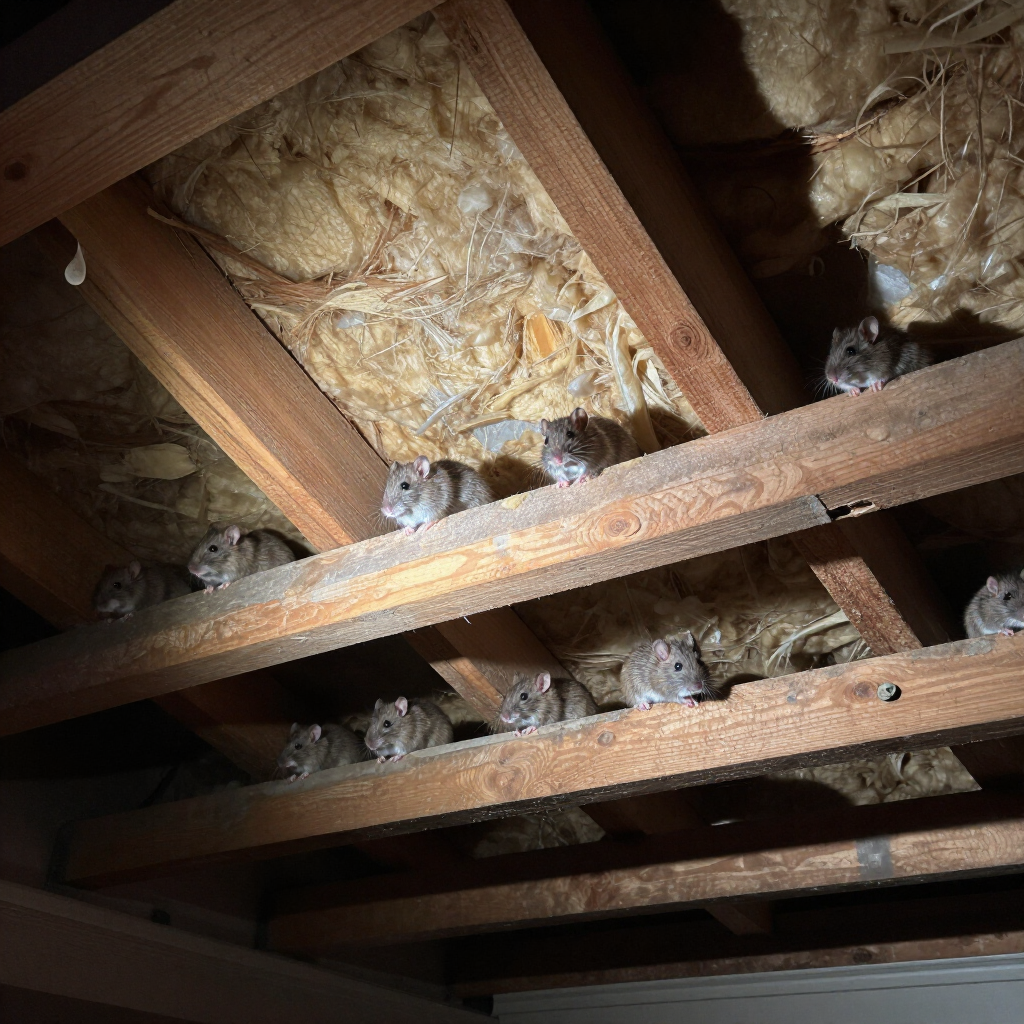
A proper rodent inspection is not just about finding droppings and placing bait. It should identify how rodents are entering, where they are travelling, what conditions are supporting the infestation, and what needs to change to reduce future activity.

Pest control should start with evidence, not guesswork
When a customer hears scratching in the roof, finds droppings in a cupboard, or notices a strange smell around the home, it can be tempting to jump straight to treatment. But with rodents, a “one and done” approach is often not enough.

A proper rodent inspection looks at the full picture: how pests may be entering, where they are nesting or travelling, what food or water sources are supporting them, and whether there are safety or environmental risks that need to be considered before treatment begins.
At NatureWise Pest Control, our rodent inspections are designed to build a treatment plan around the property, not just the pest. Every home, roof void, subfloor, garage, garden and surrounding environment is different. That means the best plan for one property may not be the right plan for another.
What we look for during a rodent inspection
A detailed rodent inspection usually starts with the signs the customer has noticed, then works outward from there. Common signs can include:
- Droppings in cupboards, roof voids, garages, sheds or subfloors
- Scratching or movement sounds in walls or ceilings
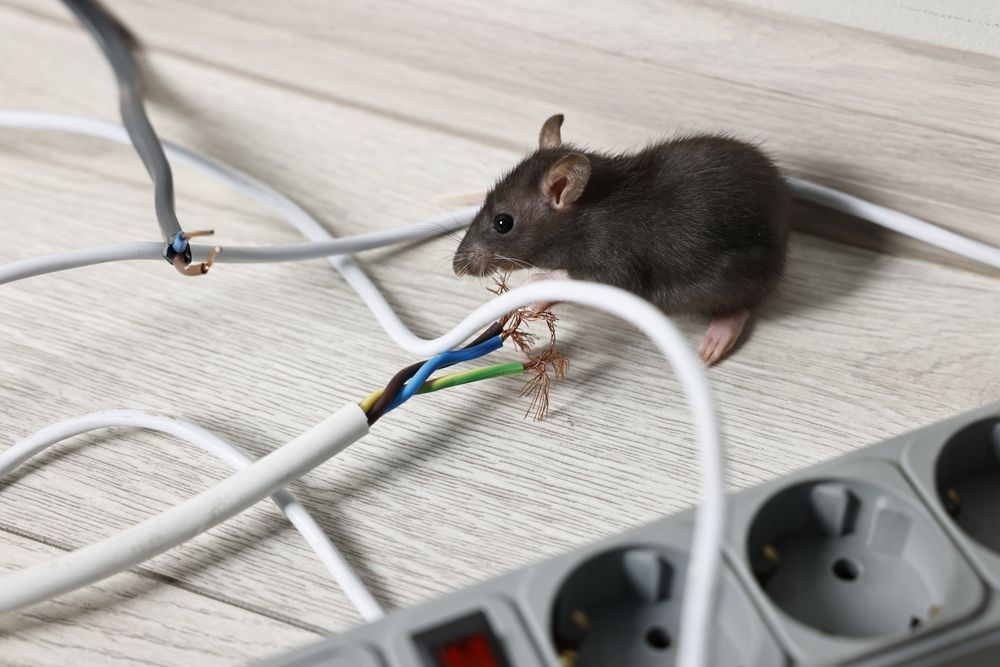
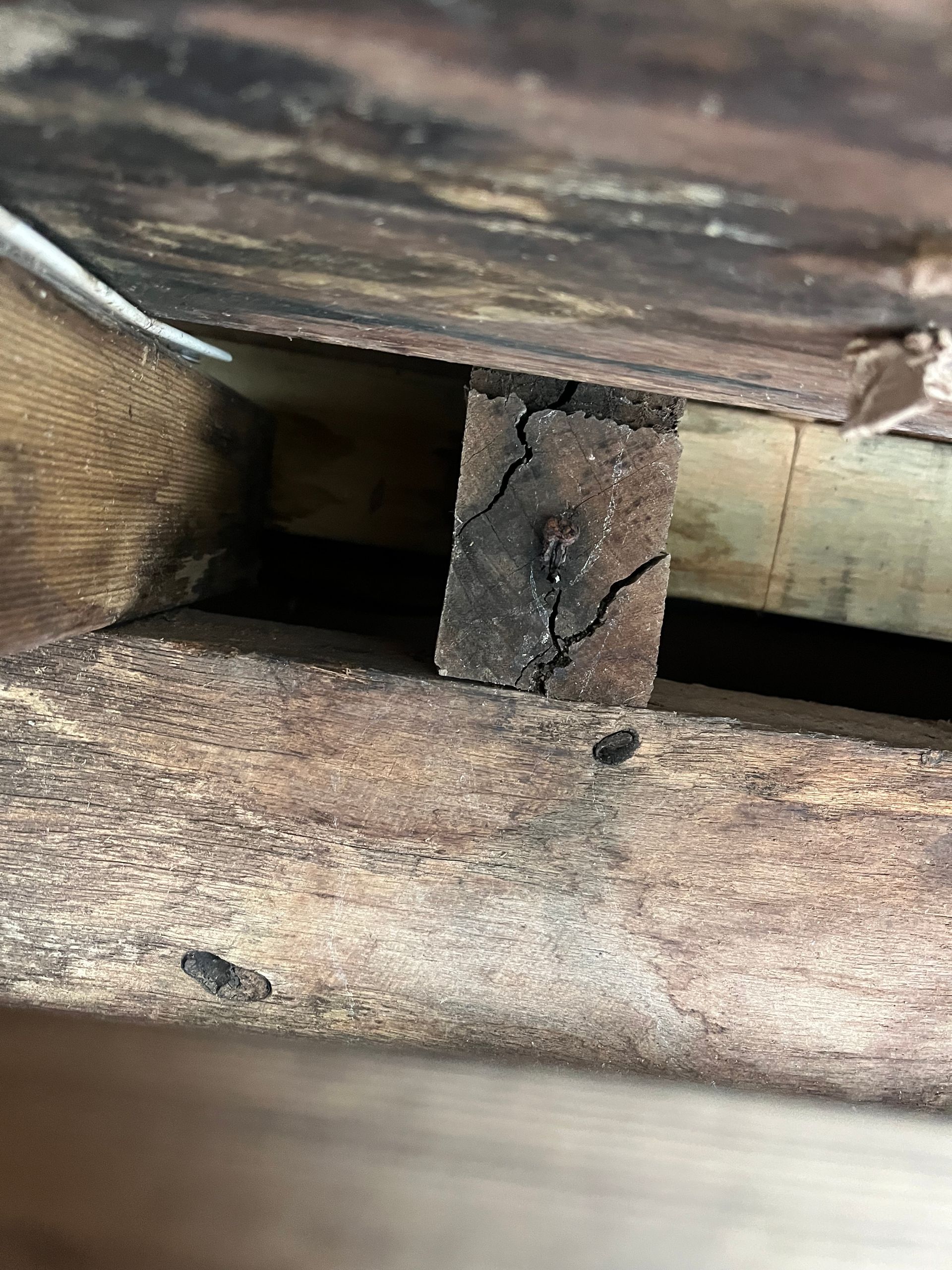
- Gnawing damage around timber, pipes, insulation or stored items
- Greasy rub marks along regular travel routes
- Urine odours or staining
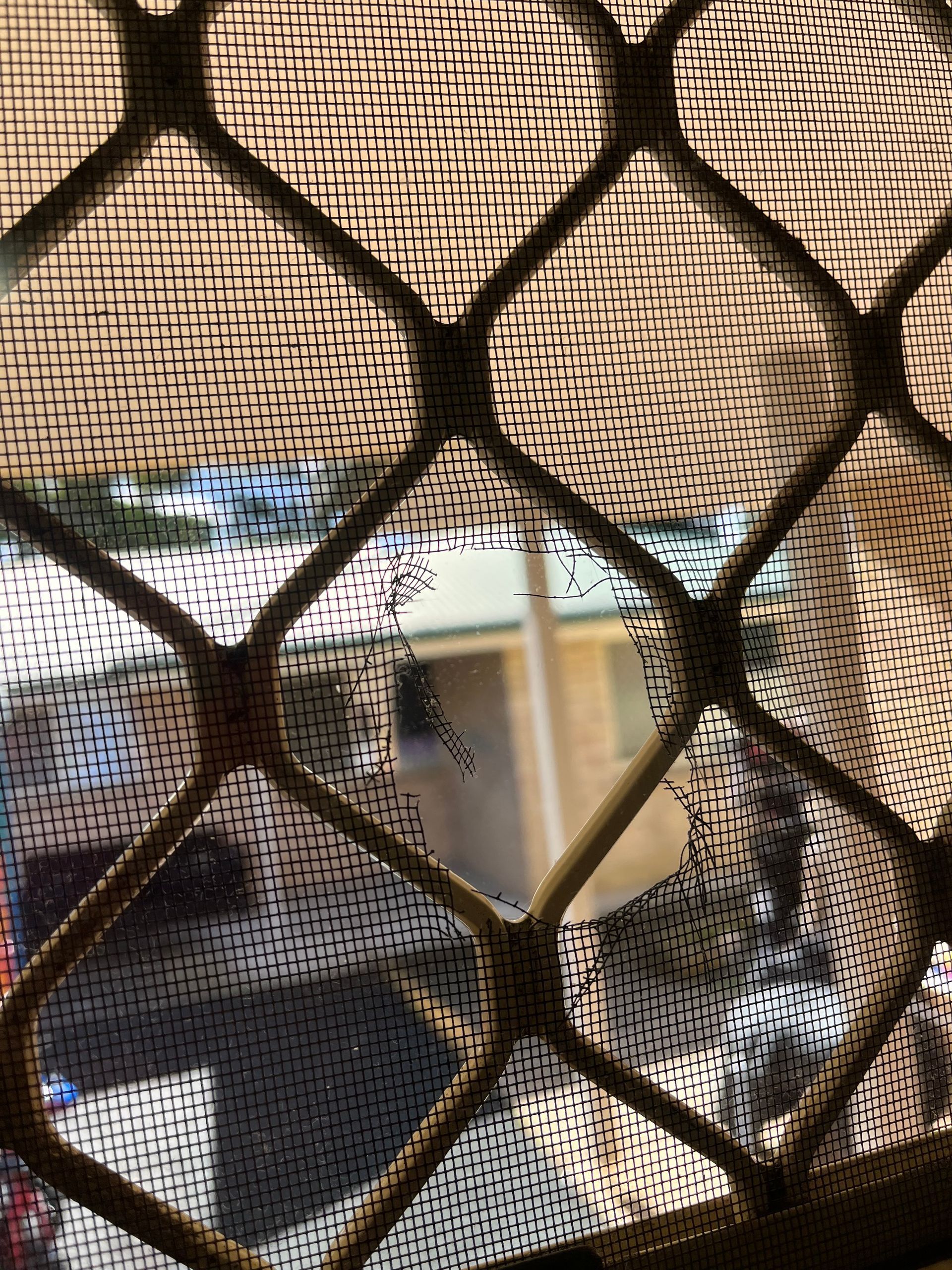
- Damaged flyscreens, vents or gaps around doors
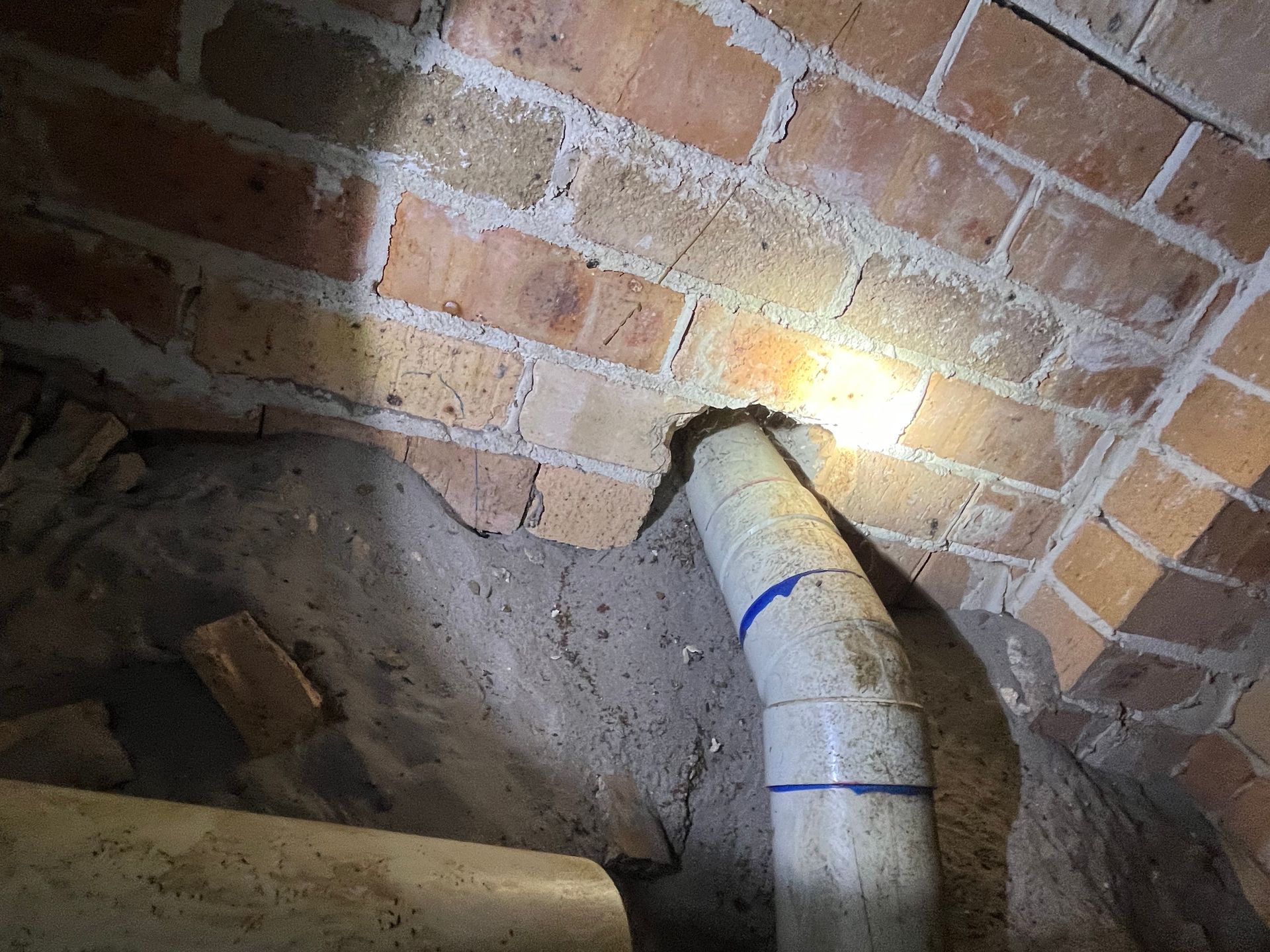
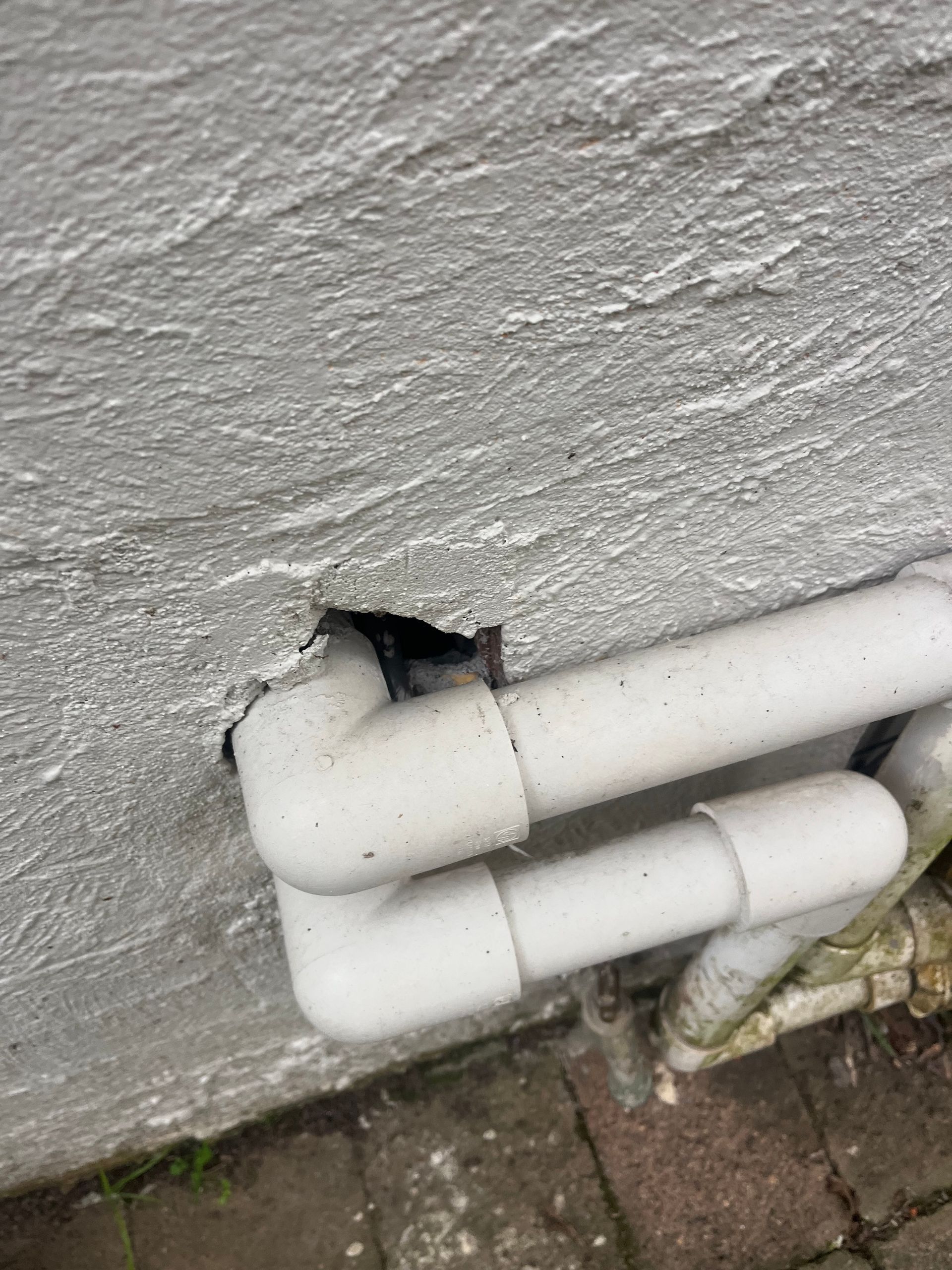
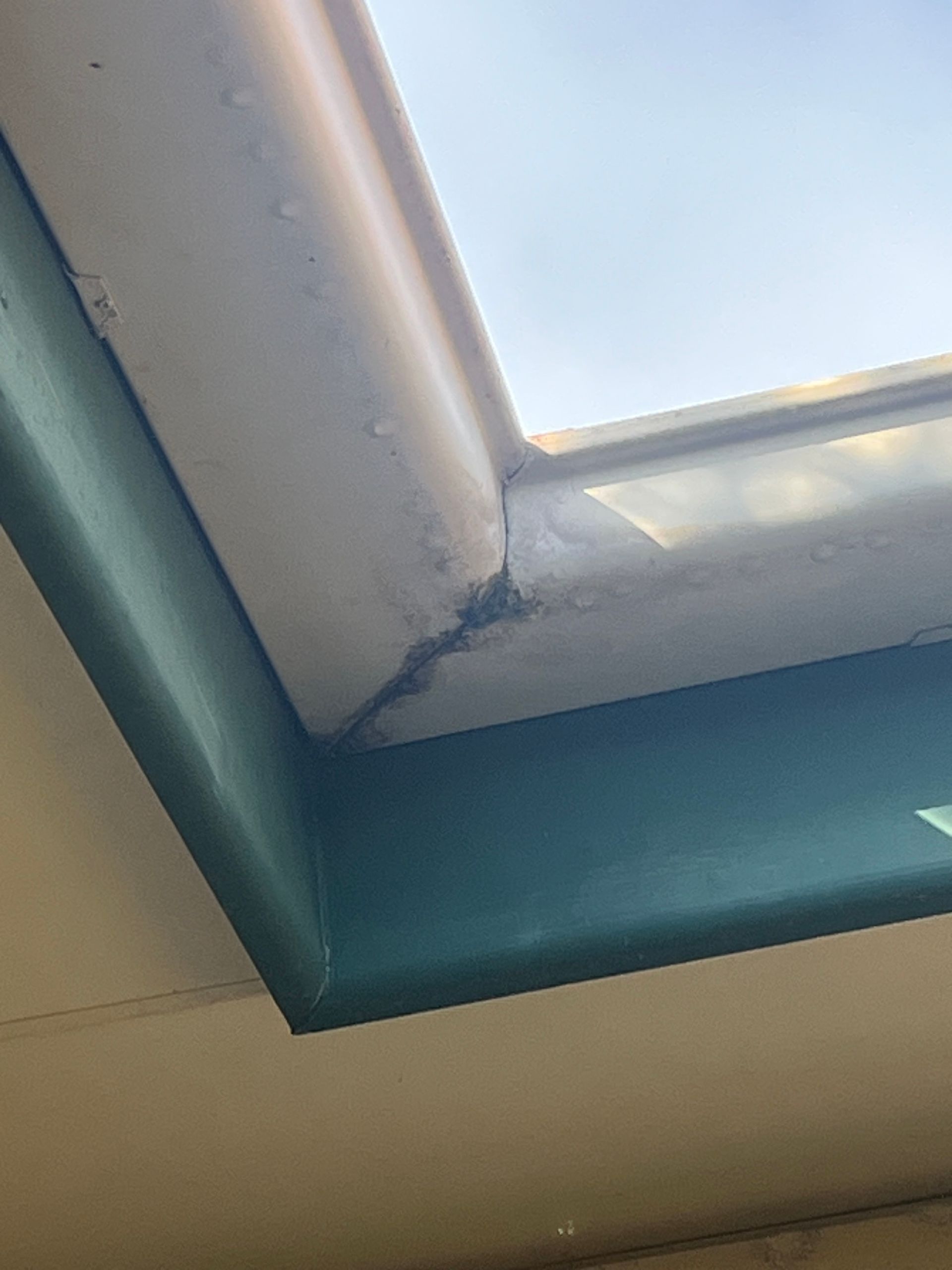
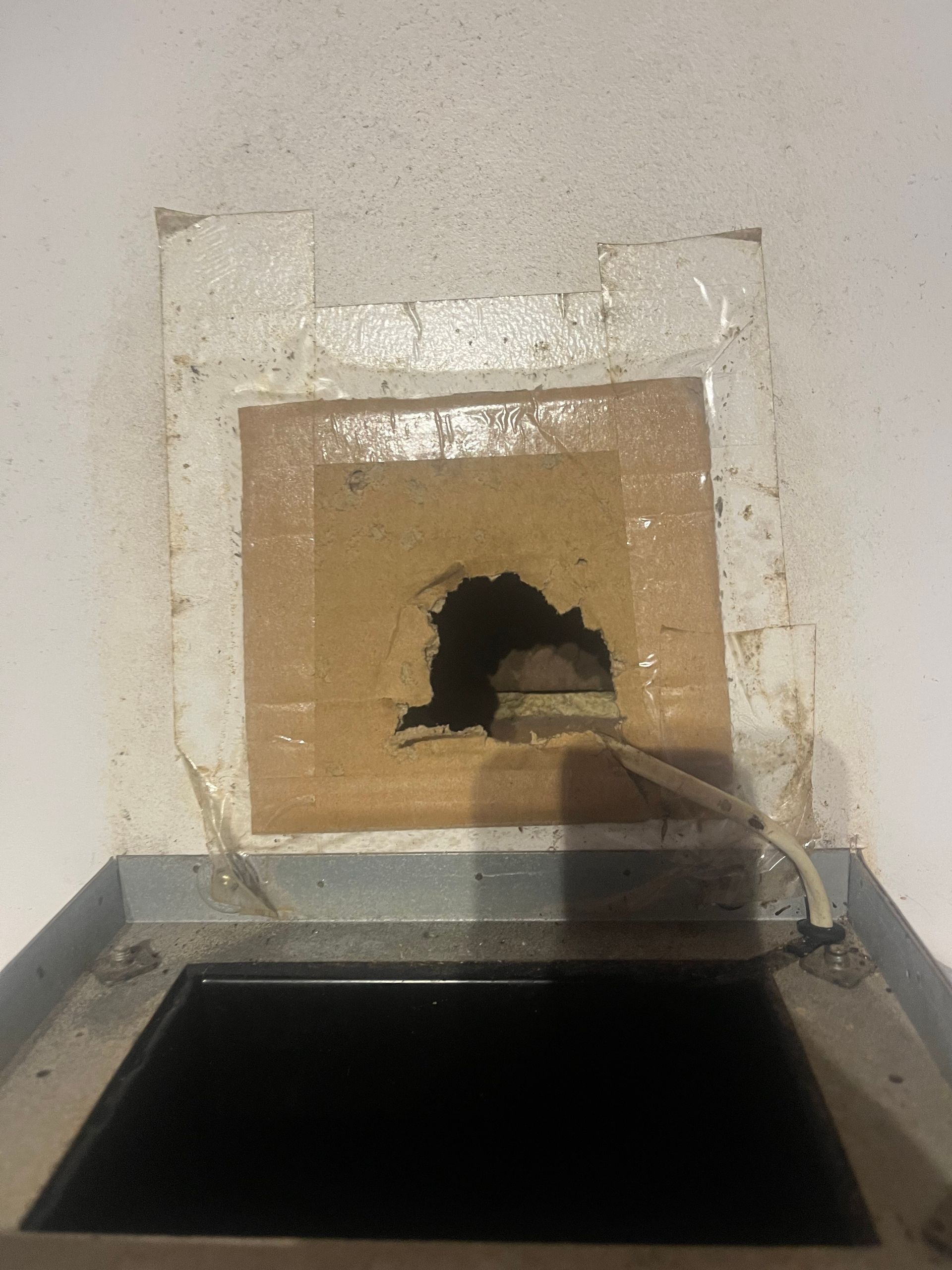
- Entry points around pipe penetrations, weep holes, rooflines or subfloor openings
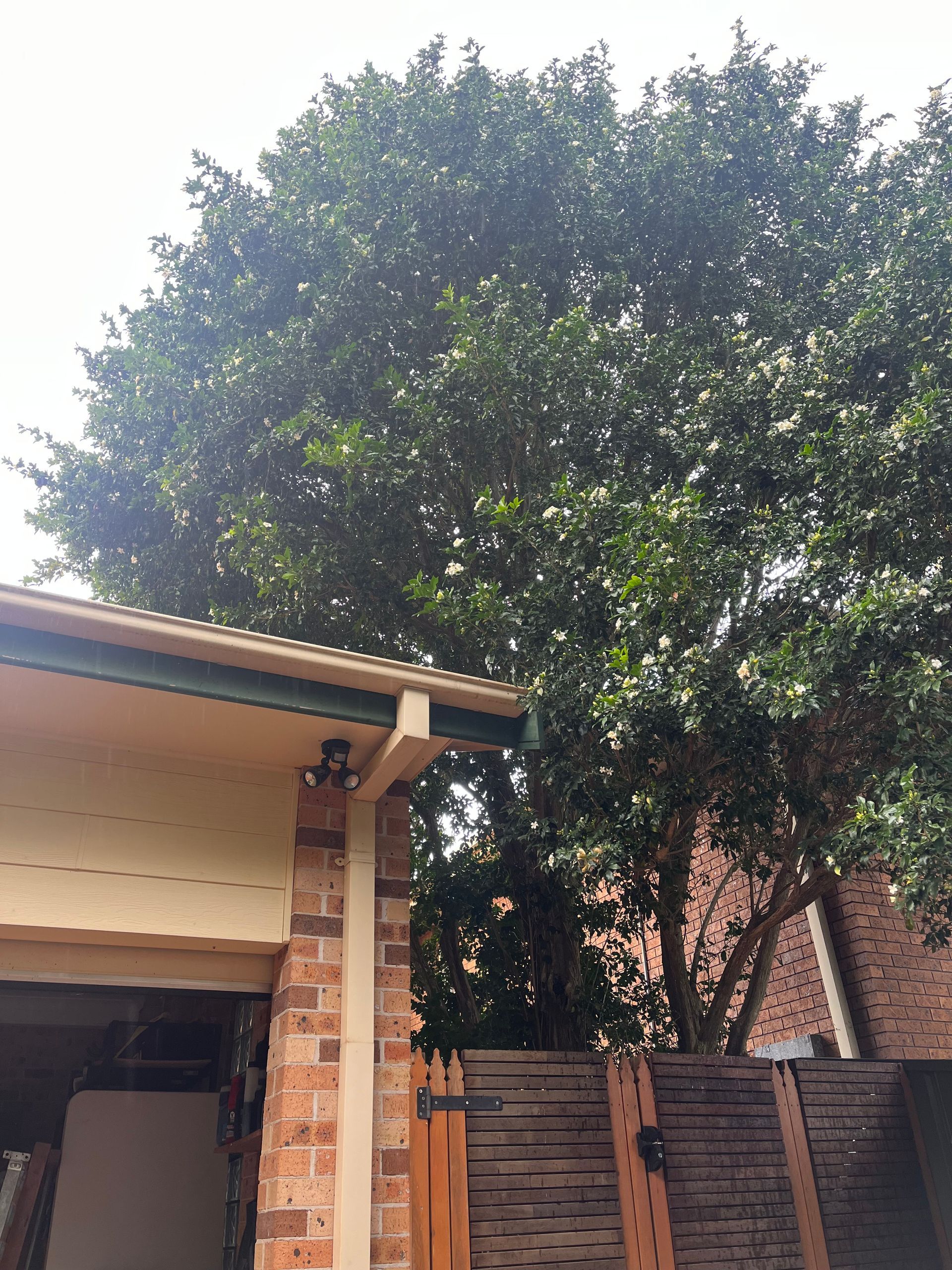
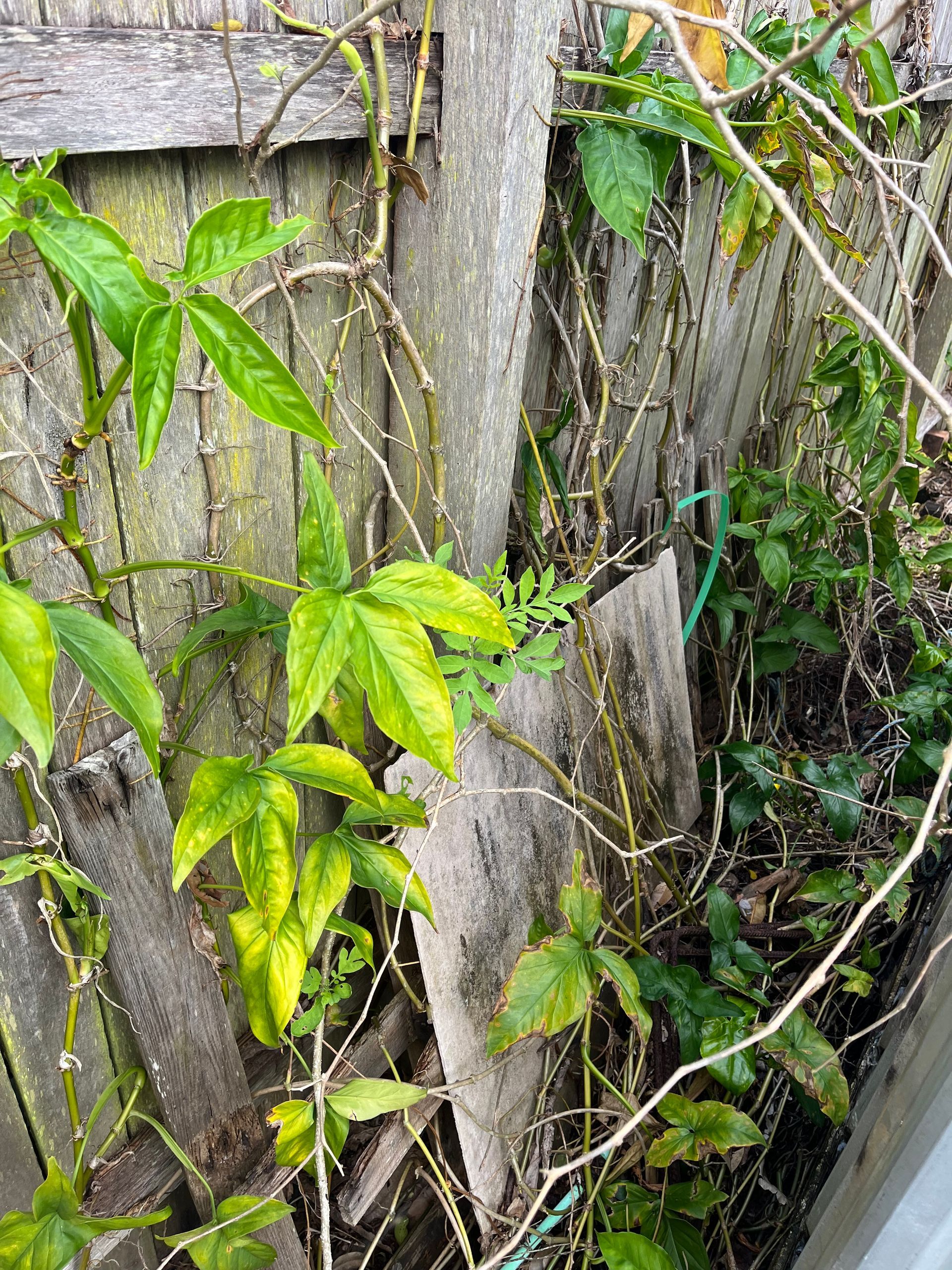
- Overhanging trees or branches giving access to the roof
- Debris, stored goods, pet food, compost, fruit trees or other food sources

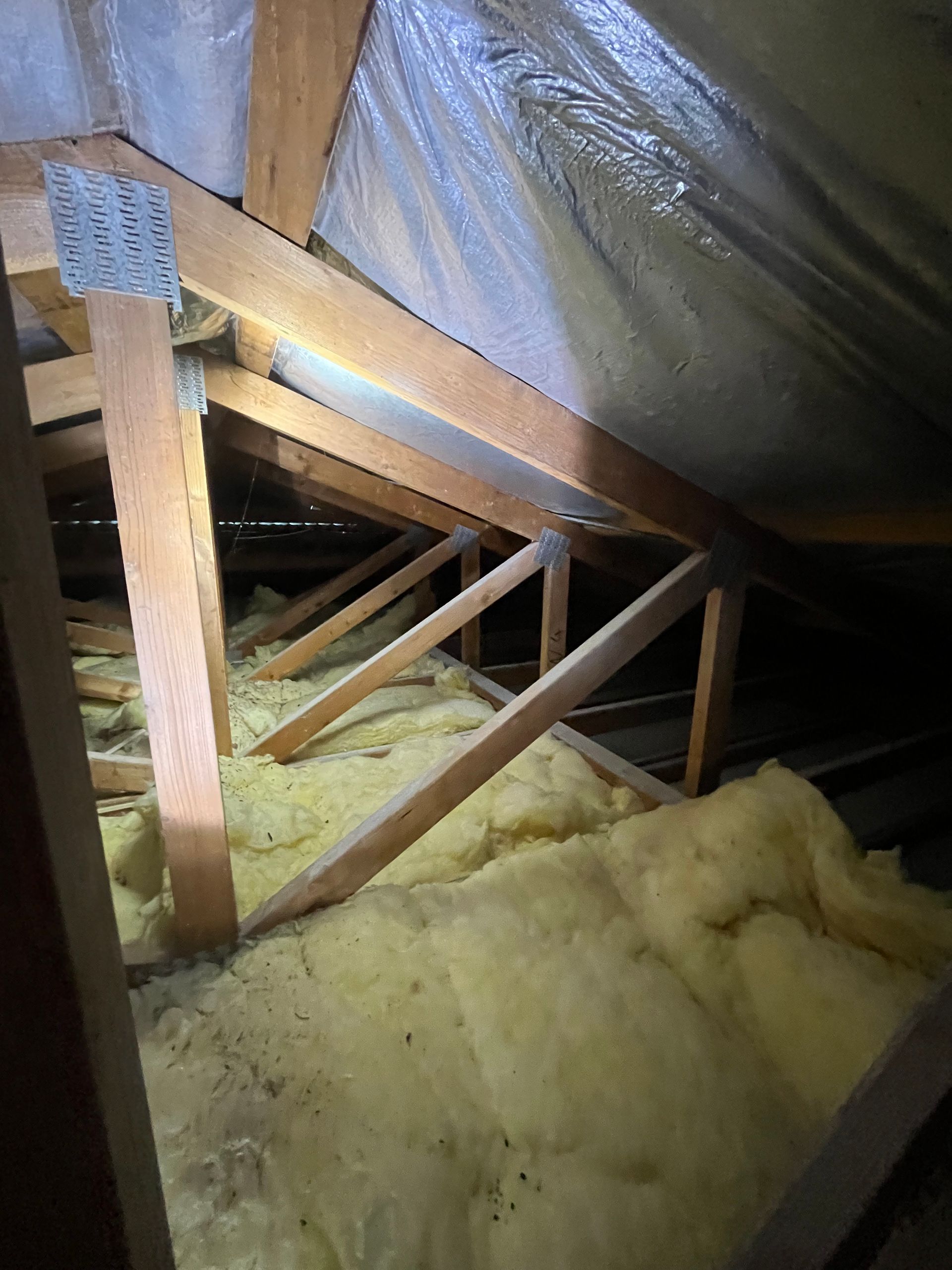
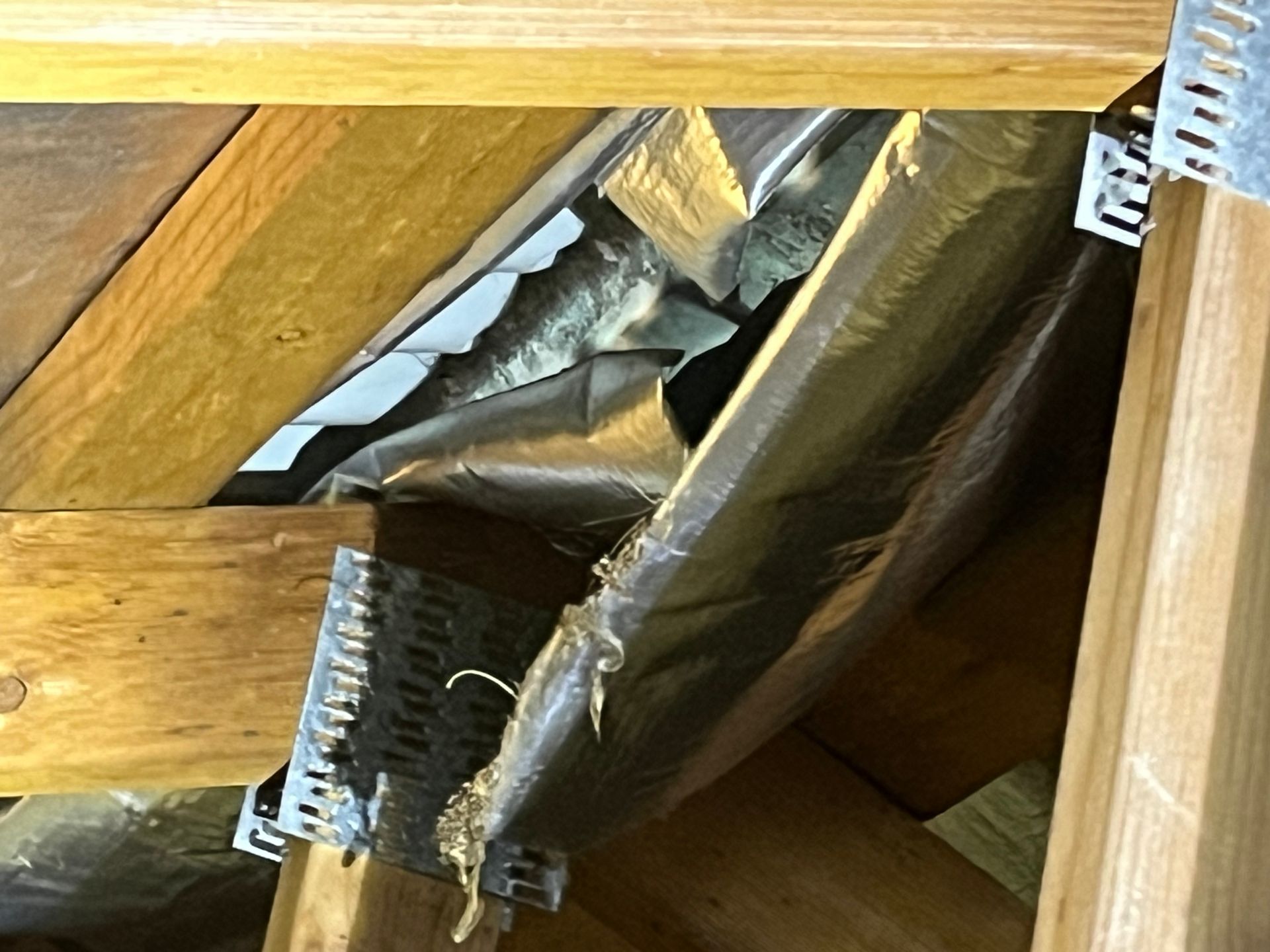
Rodents are not just randomly moving through a property. They often use repeated runways, sheltered edges, wall lines, pipe routes, roof void timbers, fence lines and vegetation to travel safely. Finding these movement patterns is important because treatment is far more effective when bait stations, traps and monitoring tools are placed where rodents are actually travelling.
UV monitoring, tracking and activity signs
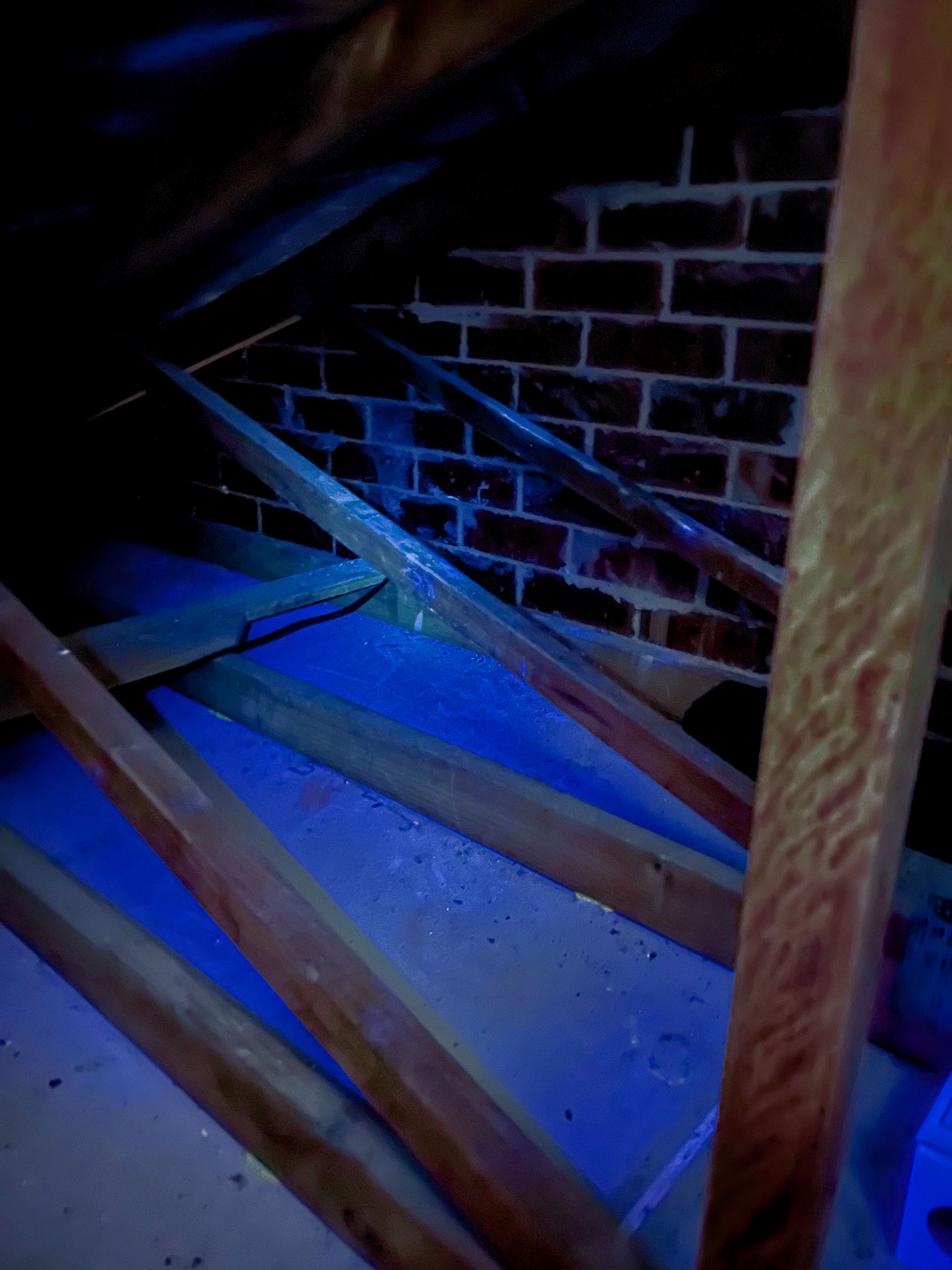
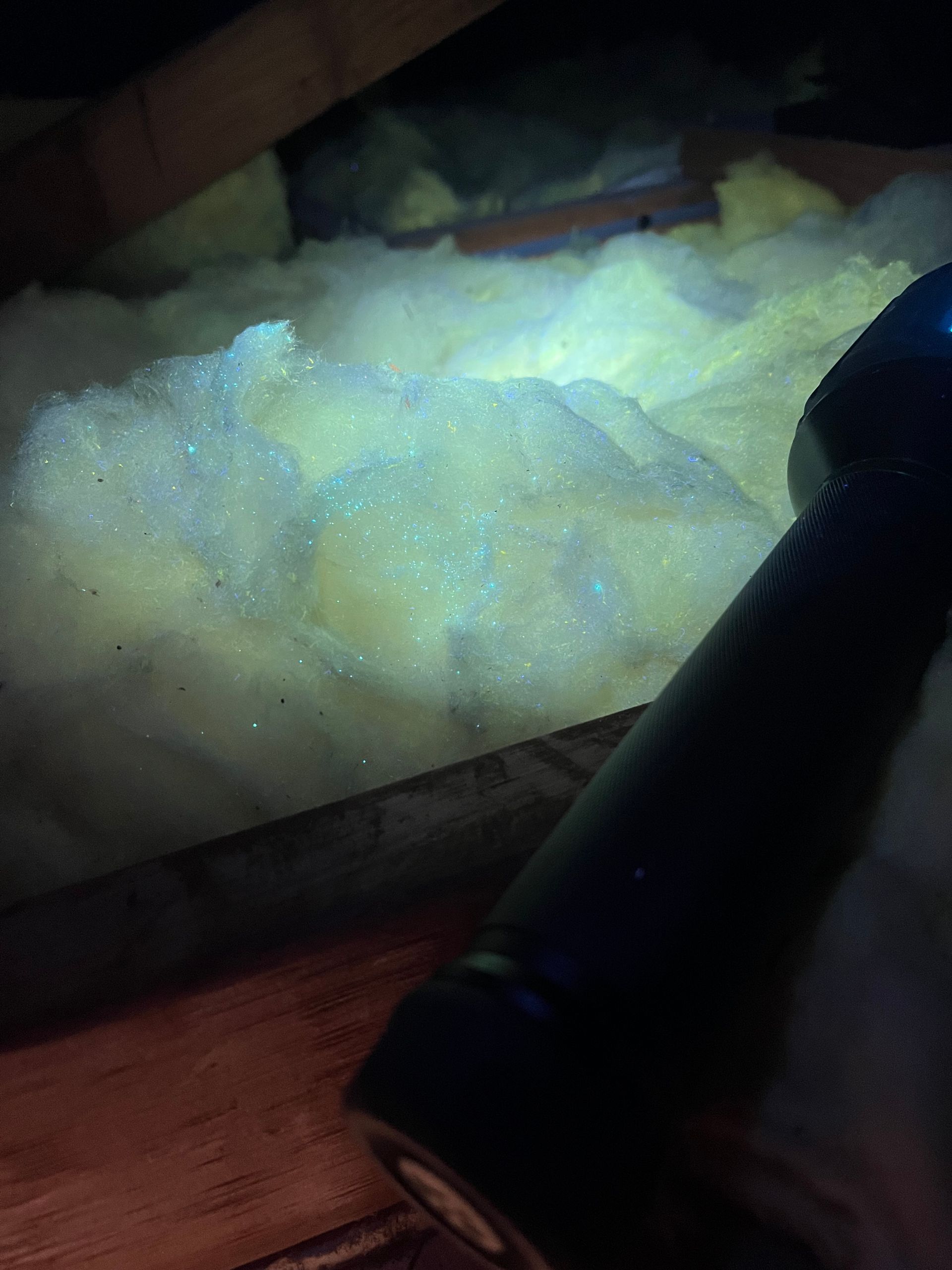
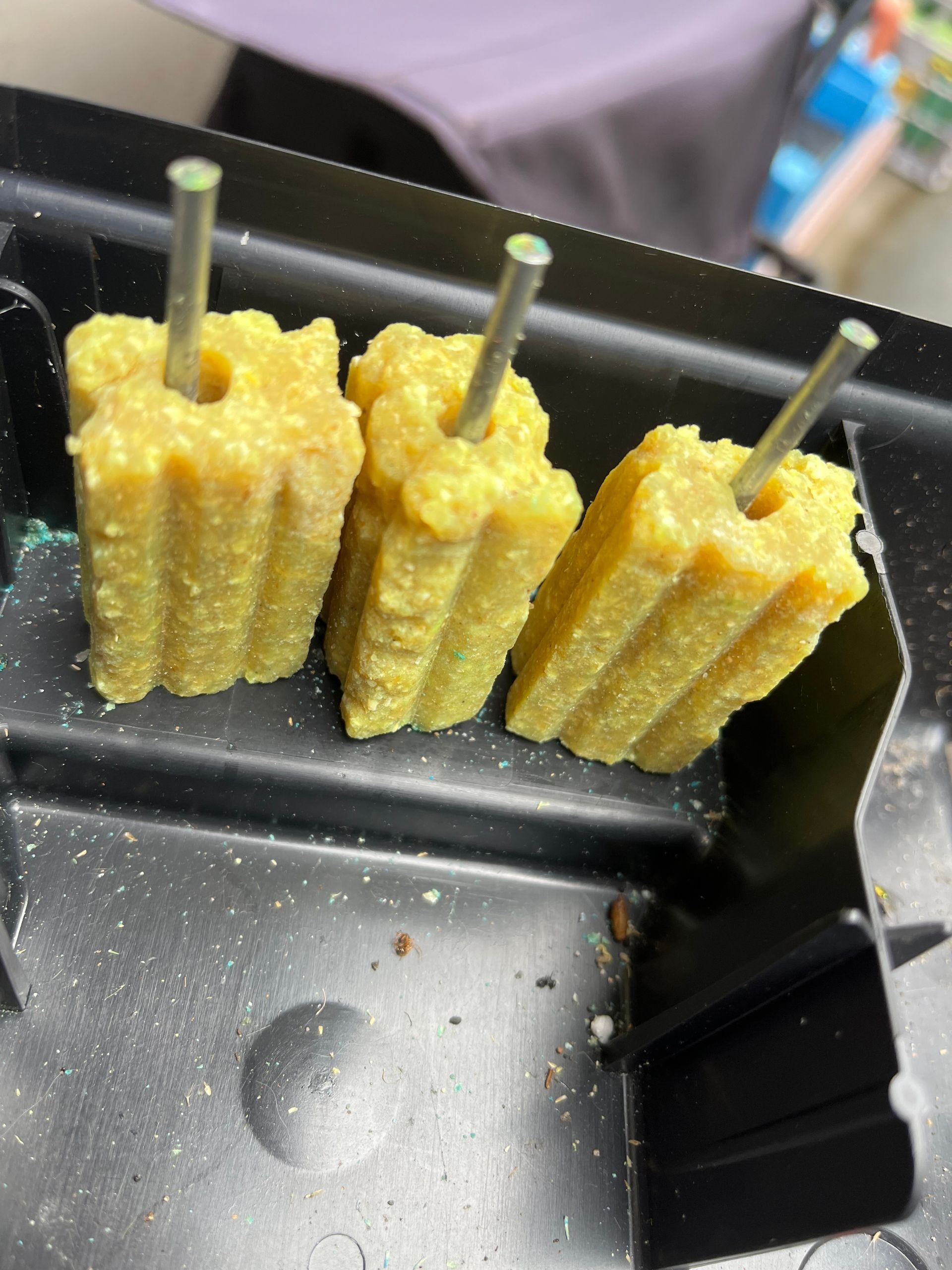
In some situations, UV inspection and monitoring tools can help identify activity that may not be obvious under normal light. This may include signs consistent with rodent movement, urine staining, tracking dust movement, or activity around non-toxic monitoring baits.


Non-toxic monitoring can be useful where we need to better understand the level and location of activity before relying on stronger control methods. Tracking dust, UV checks and monitoring placements can help build a clearer picture of where rodents are moving, especially in roof voids, garages, subfloors and areas with hidden access points.
This is important because placing treatment in the wrong area can waste time, increase pesticide use, and fail to address the actual infestation.
Why entry points matter
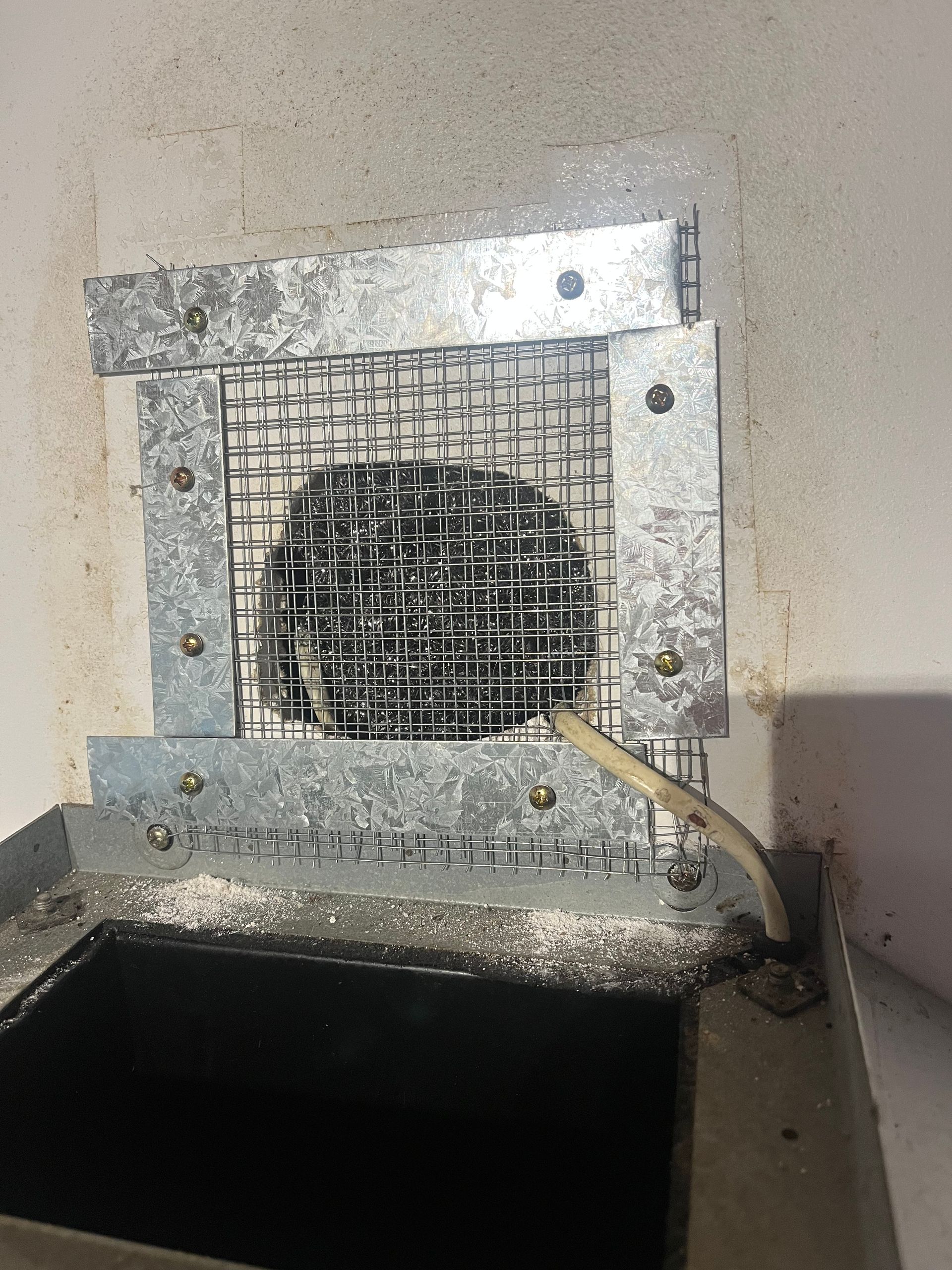
Rodent proofing is one of the most important parts of long-term rodent control. Baiting or trapping may reduce the current population, but if entry points remain open, new rodents can continue entering the home.

Common entry points around Port Macquarie homes can include:
- Gaps around pipe penetrations
- Broken or loose vents
- Large weep holes
- Damaged door seals
- Gaps around garage doors
- Roofline gaps
- Unsealed wall penetrations
- Subfloor openings
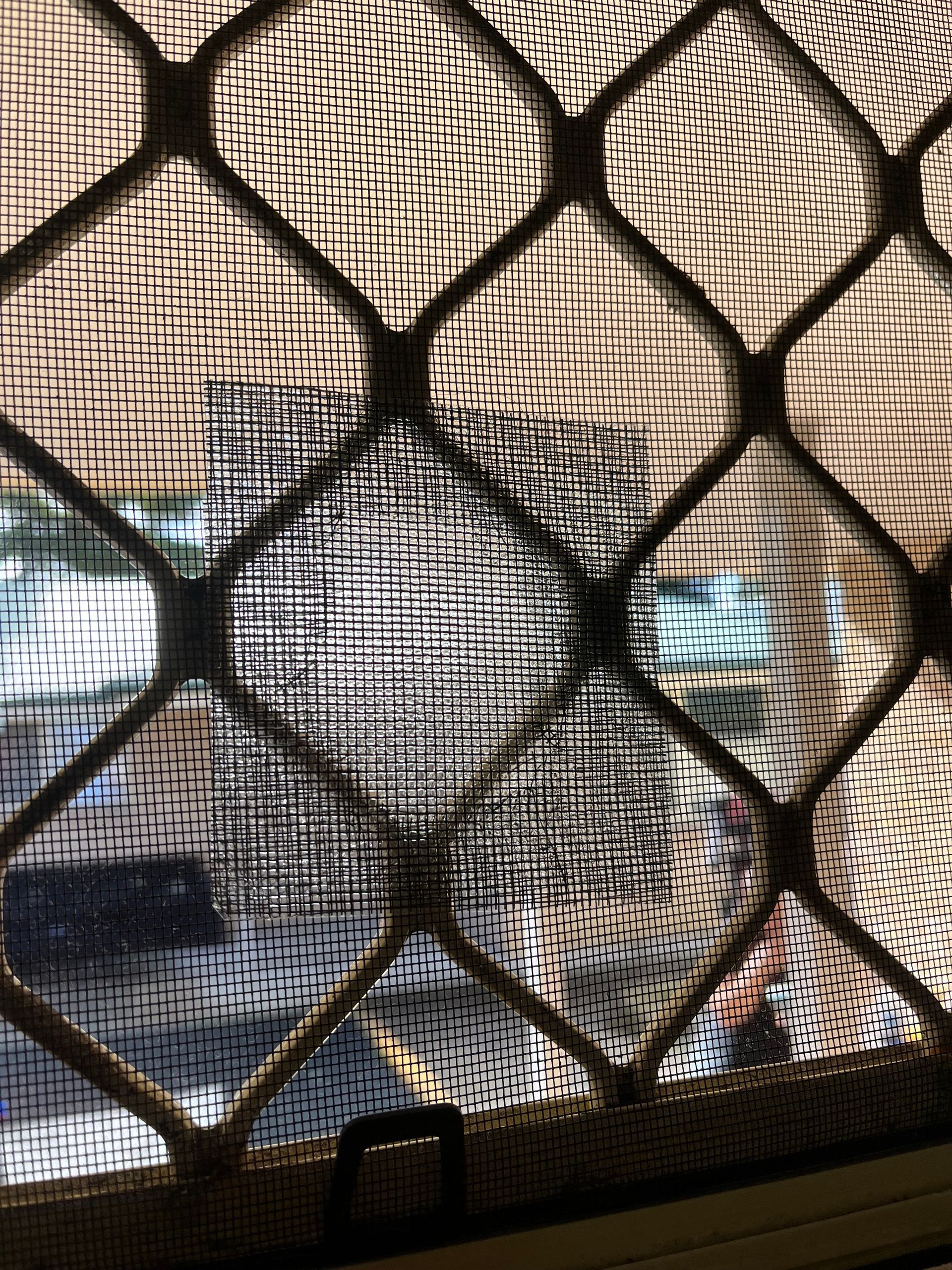
- Damaged flyscreens
- Overhanging branches providing roof access


A good rodent inspection should not only ask “where are the rodents now?” It should also ask “how are they getting in, and what needs to be changed to reduce future pressure?”


Sometimes this means sealing small gaps. Other times it means trimming vegetation, repairing flyscreens, improving storage, removing harbourage areas, managing food sources, or planning staged proofing work across the property.
Pest pressure and environmental conditions
Some homes experience higher pest pressure because of their surroundings. Properties near bushland, creeks, drains, dense vegetation, food businesses, poultry, compost areas or neighbouring infestations may need a more detailed plan than a low-pressure site.
Environmental conditions can make a major difference. Overhanging trees can allow rats or possums to access rooflines. Unsealed gaps can allow rodents to move from outside to inside. Water leaks, food waste, pet food, clutter, debris and nesting materials can all support ongoing activity.
If these conditions are not addressed, the property may require repeated treatments over time. This can increase chemical use, increase costs, and increase the chance of recurring infestations.

The goal should be to reduce the reasons pests are entering and staying, not just treat the visible symptoms.

Safety risk assessment is part of the inspection
A proper inspection also considers safety. Before treatment is applied, sensitive areas need to be identified. This may include:

- Drains and waterways
- Pools and ponds
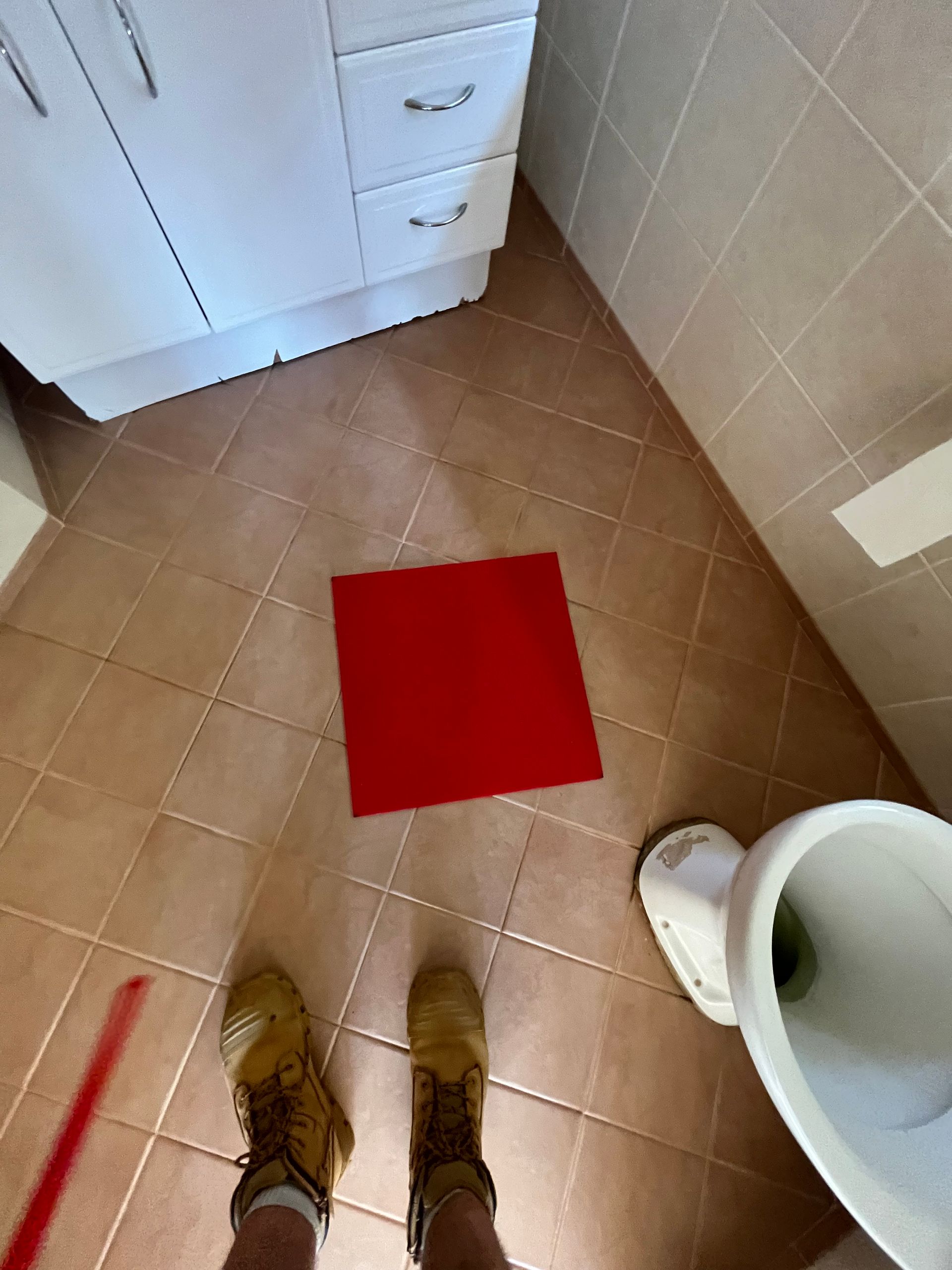
- Bathrooms, laundries and tiled wet areas
- Pet access areas
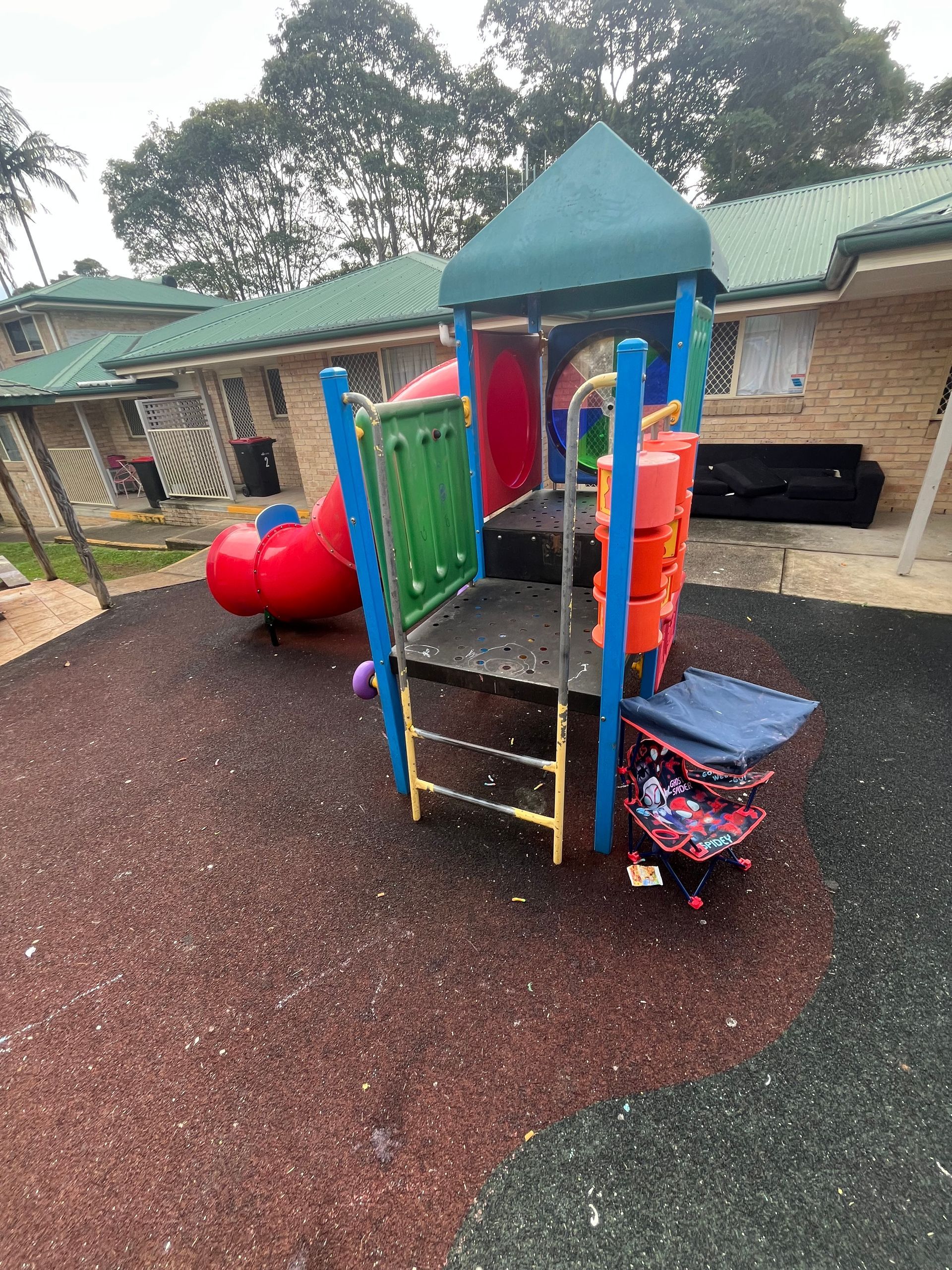
- Children’s play areas
- Food preparation areas
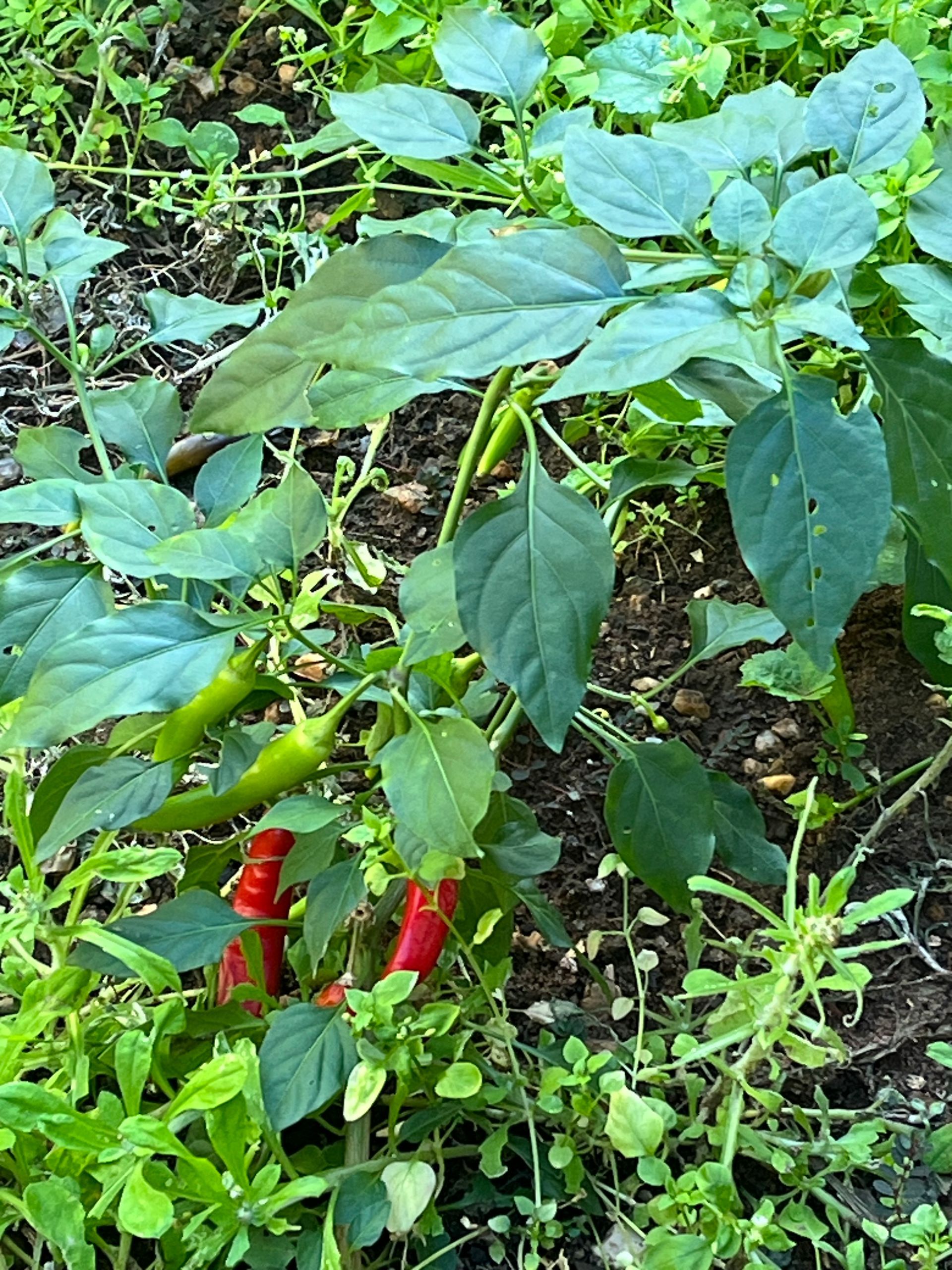
- Edible plants and vegetable gardens
- Flowering plants visited by bees
- Native animal activity
- Roof void electrical risks
- Unsafe ladder or access conditions
These factors help determine which products, placements and treatment methods are appropriate. For example, bait placement in a roof void, trap placement in a garage, insecticide use around a laundry drain, or treatment near a pond all require different risk considerations.


Good pest control is not just about what product is used. It is also about where, how and whether that product should be used.
Why monitoring and adaptation matter
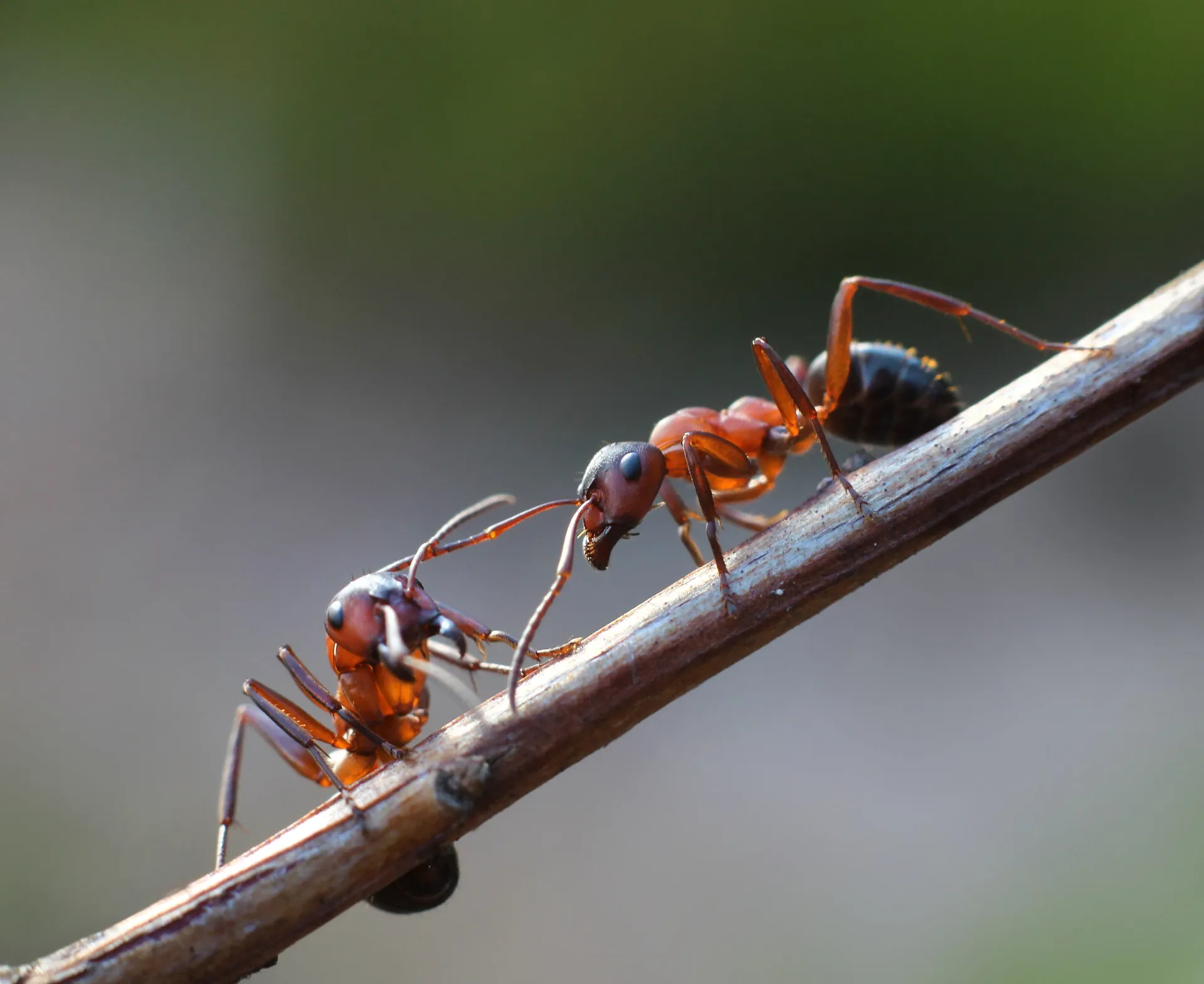
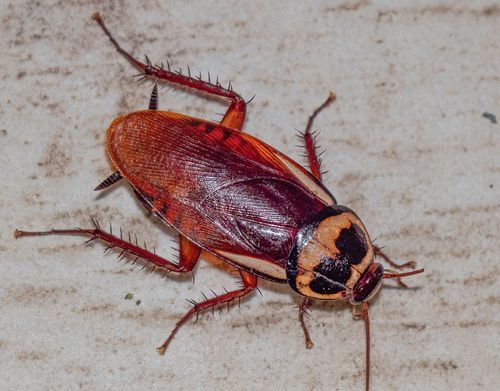
Rodents are not the only pests where inspection and monitoring matter. German cockroaches, fleas, bed bugs and some ant species often require ongoing monitoring, follow-up treatments and changes to the treatment plan.


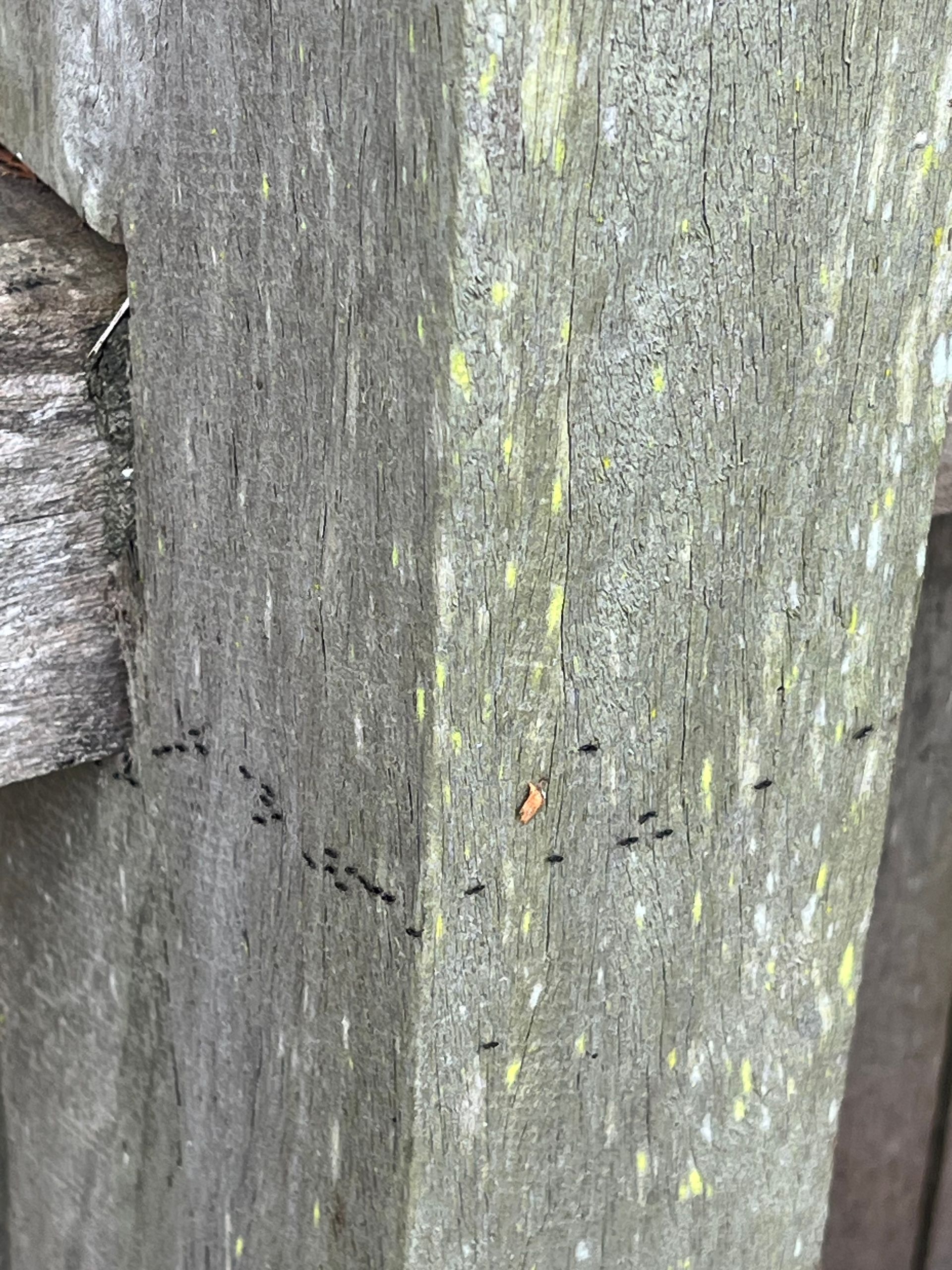
Pest behaviour can change after treatment. Ant trails may shift. Feeding activity may reduce or relocate. Nesting sites may change. German cockroach activity may move between kitchen appliances, cupboards, laundry areas or wall voids. Fleas may continue emerging from pupae after the first treatment. Bed bugs may require careful follow-up inspections to confirm whether activity remains.
Without monitoring, it is easy to assume a treatment has worked when activity has simply moved, reduced temporarily, or become harder to see.
For insect pests, product rotation and resistance management can also be important. This may involve considering IRAC mode of action groups between treatments, especially with pests such as German cockroaches and bed bugs where treatment resistance can become a serious issue.
A tailored treatment plan may include a combination of inspection, sanitation advice, proofing, environmental changes, trapping, baiting, dusting, gel baiting, residual treatment, insect growth regulators, follow-ups and product rotation depending on the pest and property.
Why “spray and hope” does not work long-term
Treatments carried out without proper inspection can miss the cause of the problem. This can lead to:

- Ongoing rodent entry
- Increased bait or pesticide use over time
- Repeated infestations
- Pest activity shifting to new areas
- Poor treatment results
- Higher long-term costs
- Increased risk around sensitive areas
- Resistance issues in difficult insect pests
A detailed inspection helps prevent this by identifying the pest, the pressure level, the activity areas, the risk zones, the entry points, and the environmental factors contributing to the infestation.


A better plan for rodent control in Port Macquarie homes
At NatureWise Pest Control, rodent inspections are about building a practical game plan for the property. That may include immediate control where needed, but it also looks at the bigger picture: proofing, monitoring, safety, environmental conditions and long-term prevention.
For some homes, the plan may be simple. For others, especially properties with roof void activity, repeated entry, bushland pressure, damaged screens, overhanging trees or multiple access points, a staged approach may be more effective.
The aim is not just to reduce today’s activity. The aim is to reduce the chance of the same problem returning again and again.
If you are in Port Macquarie, Lake Cathie, Bonny Hills, Wauchope or surrounding areas and you are noticing scratching noises, droppings, roof void activity or recurring rodent problems, a proper inspection is the best place to start.
NatureWise Pest Control
Detailed, targeted and property-specific pest management for local homes and businesses.