Explained: Single Treatments vs Plans and Programs | Pest Control in Port Macquarie

Clint Mcmanus • April 3, 2026

The difference between a one-off treatment and an ongoing plan could come down to a single species. Pest Control in Port Macquarie.

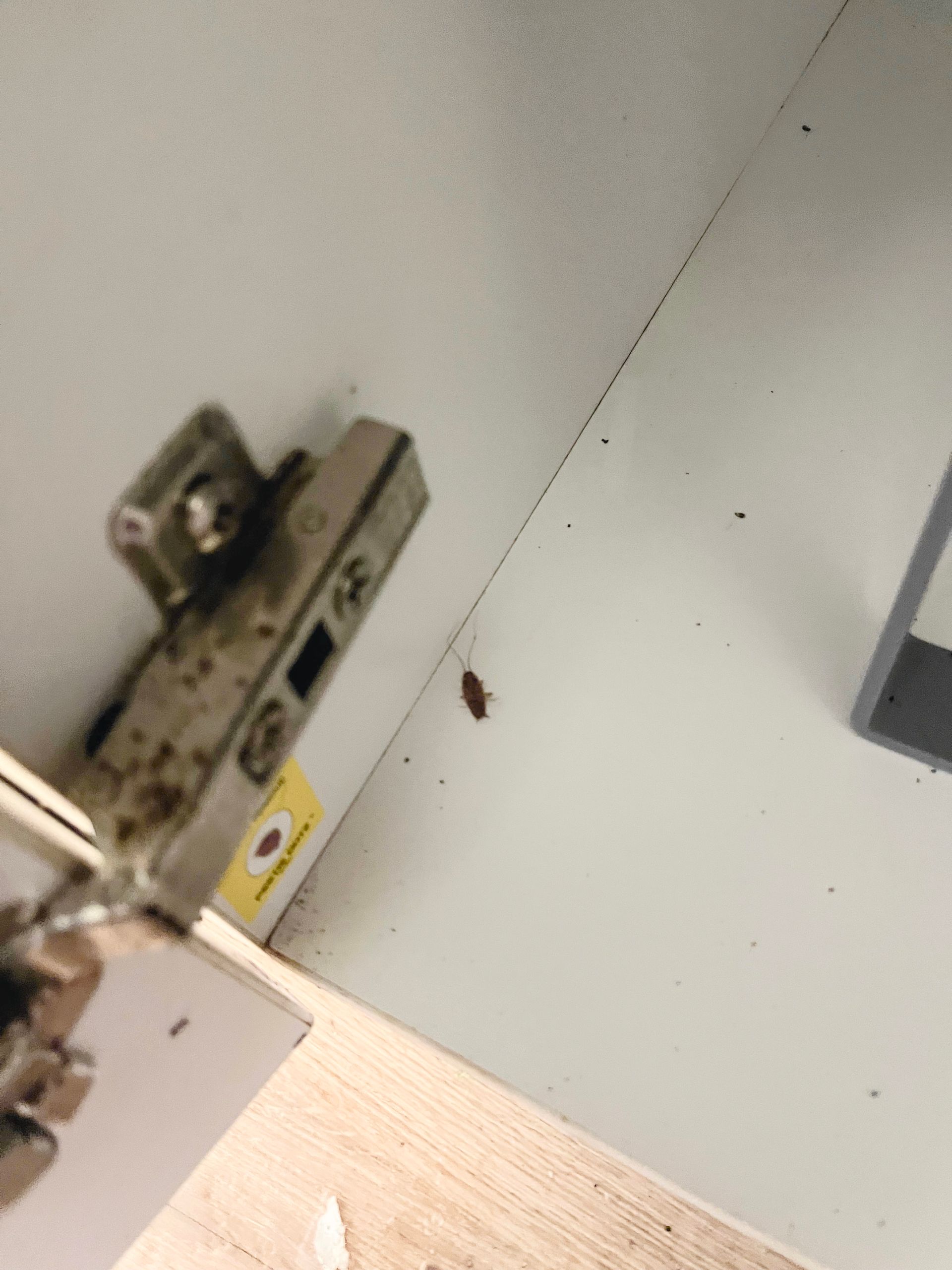
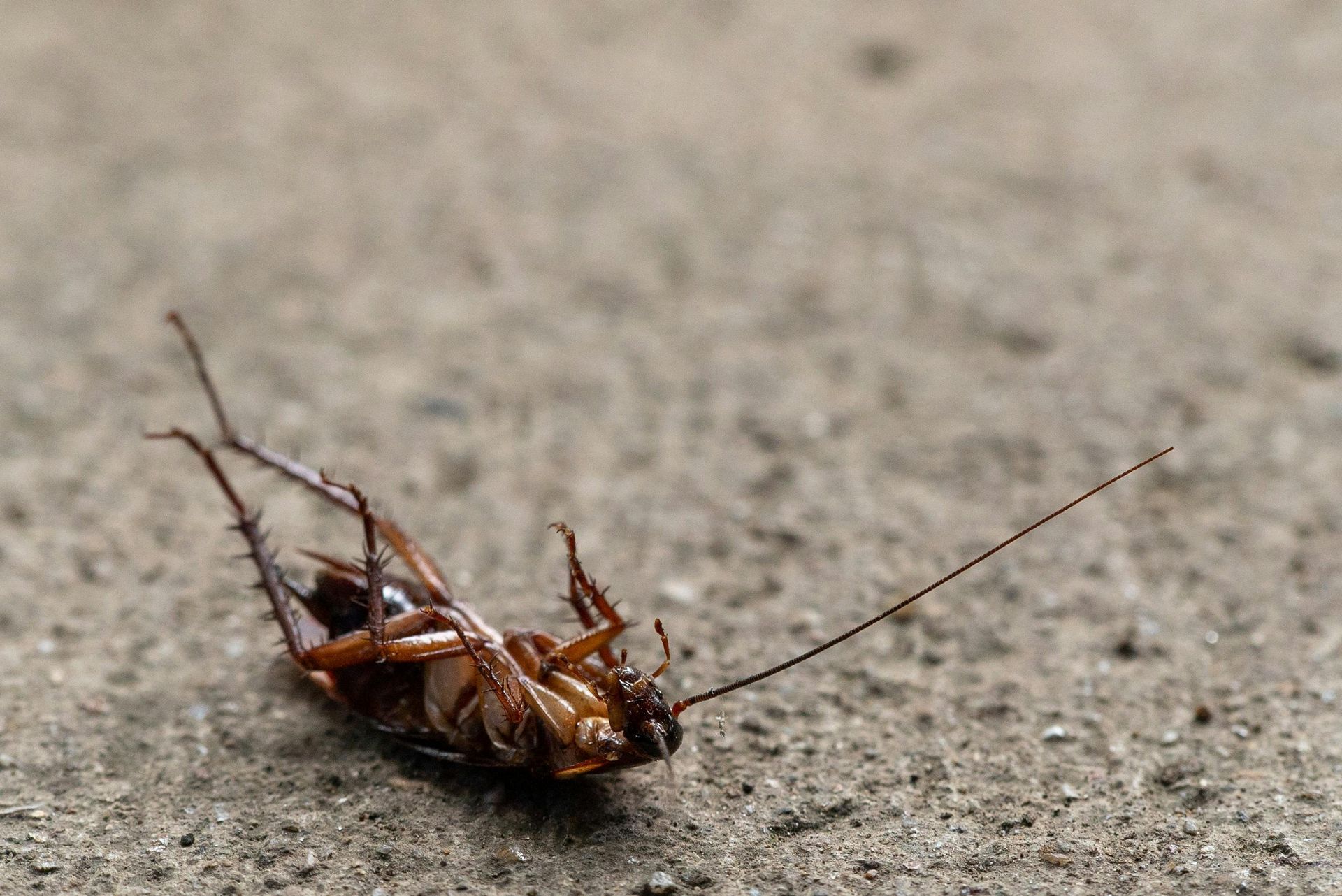
dead large cockroach close up one-off treatment and an ongoing plan could come down to a single ant species. Pest Control in Port Macquarie

One Treatment, a Program, or Something More? How Naturewise Pest Control Decides What Your Property Needs.

Not every pest problem is the same — and not every solution should be either. At Naturewise, one of the most important conversations we have with clients across Port Macquarie, Wauchope, Lake Cathie and the surrounding Mid North Coast is explaining why their situation calls for a particular service structure. That decision isn't arbitrary; it's built on a careful assessment of the species involved, the severity of pressure, the environment, and the history of the property. Here's how we think about it.

It Starts With the Species

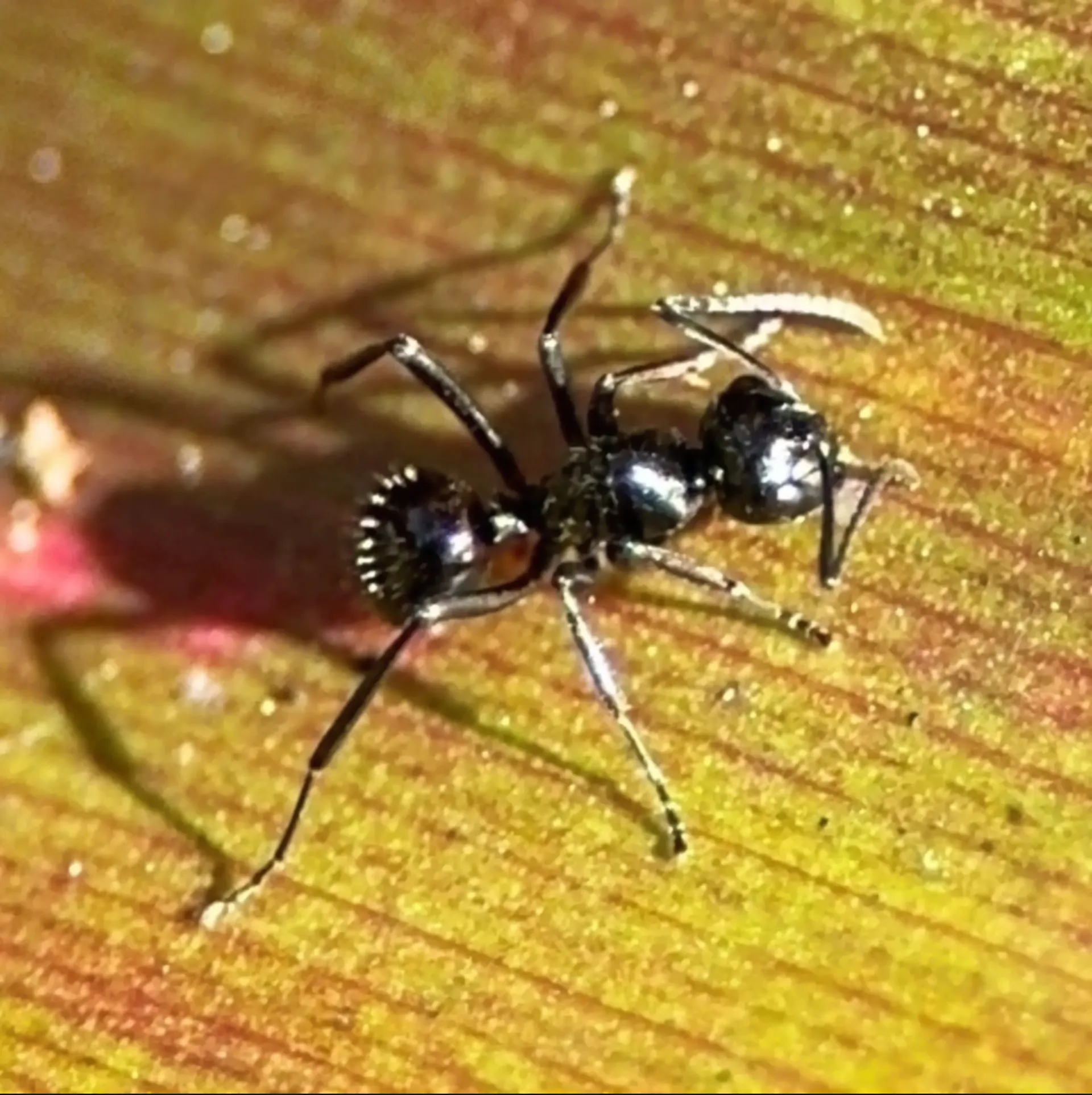
spiny polyrhachis ant close up one-off treatment and an ongoing plan could come down to a single ant species. Pest Control in Port Macquarie
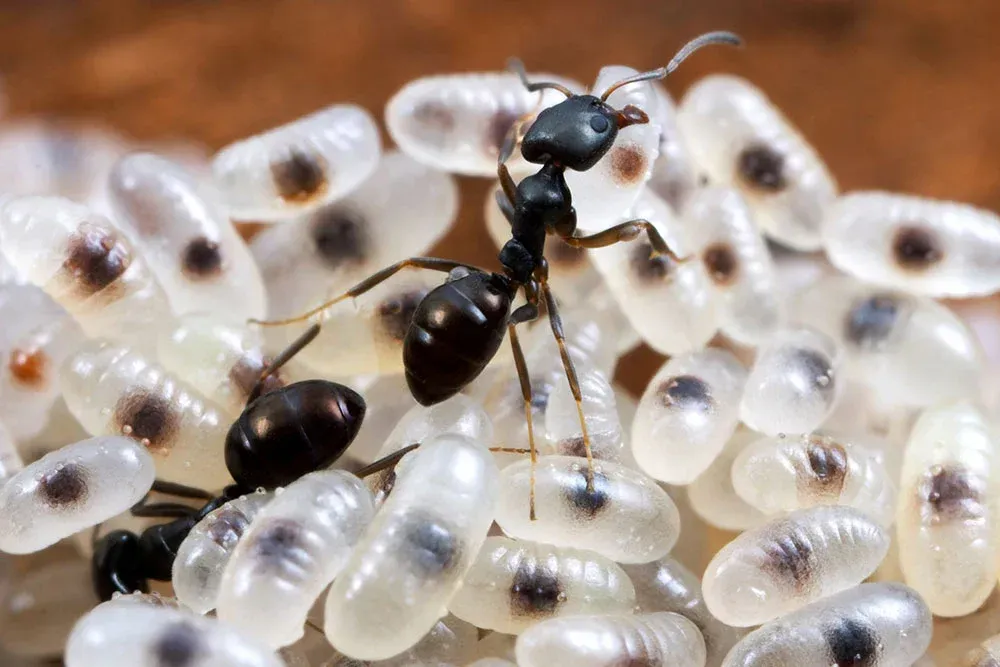
black house ant with eggs one-off treatment and an ongoing plan could come down to a single ant species. naturewise Pest Control in Port Macquarie
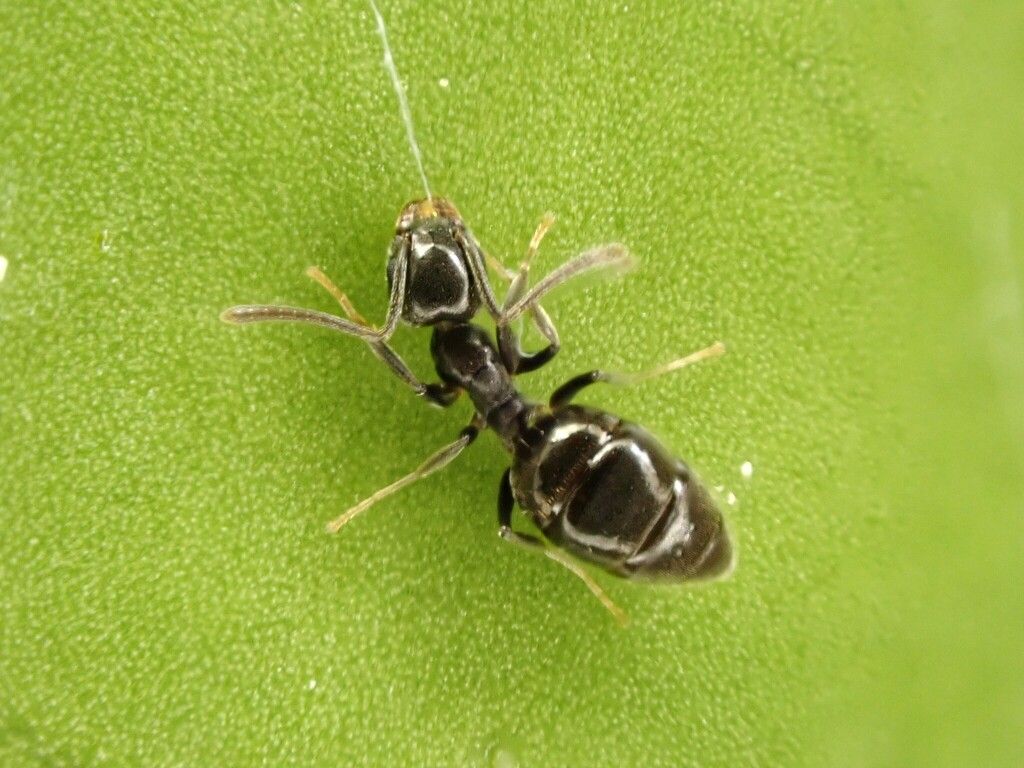
White Footed Ant close up one-off treatment and an ongoing plan could come down to a single ant species. naturewise Pest Control in Port Macquarie

Species identification is the foundation of any pest control decision. Two ants that look nearly identical can represent completely different management challenges — and knowing how to treat ants correctly starts with knowing exactly which ant you're dealing with. A common black house ant discovered trailing along a kitchen bench may respond well to a single targeted treatment. White-footed ants (Technomyrmex spp.) — which are superficially similar in appearance — are a very different problem entirely.

White-footed ants are a globally invasive species native to the Indo-Pacific region and are now widespread across eastern Australia, including the Port Macquarie region.¹ Their colonies can number in the hundreds of thousands, and in some locations populations reaching several million individuals have been documented.¹˒² A defining feature of their biology is the lack of trophallaxis — they do not share food between workers the way many ant species do — which significantly limits the effectiveness of conventional ant control baiting programs.² Colonies also reproduce through a process called budding, where a group of reproductive individuals breaks away to establish new satellite nests nearby, often as a direct response to treatment pressure.² This means a single service visit is unlikely to resolve a white-footed ant infestation; instead, population reduction and ongoing suppression through a structured program is a more realistic and transparent outcome to set for clients.

Looking for more information?

Reach out or check our other blog posts for more information.

When a Single Treatment Is the Right Call

A one-off pest control treatment is appropriate when the species is straightforward with a containable colony structure, the infestation is isolated, there are no significant environmental contributors to ongoing pressure, and the property has no relevant history of recurring activity. Common examples include seasonal spiders, isolated cockroach activity in a newly renovated space, or a small ant trail from a species that responds reliably to a single treatment. For these situations, a single well-executed treatment followed by sensible hygiene advice is genuinely sufficient — and at Naturewise we'll always tell you honestly when that's all you need.

Programs for Active Infestations

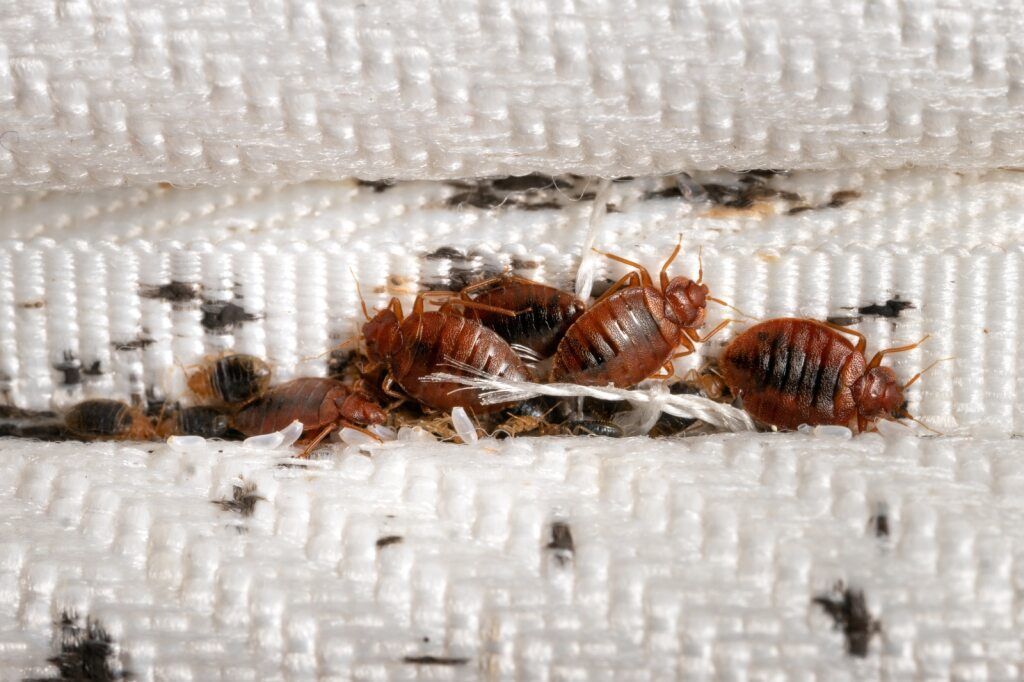
close up of bedbugs on dirty mattress one-off treatment and an ongoing plan could come down to a single ant species. naturewise Pest Control in Port Macquarie

When a property has an active infestation — particularly of a species that is hard to eliminate or likely to rebound — a short-term program of two or more scheduled visits is the appropriate standard of care. This applies whether we're dealing with a cockroach outbreak, a flea infestation after a pet treatment, or an ant colony that has established inside a wall cavity. Knowing how to treat fleas, bedbugs or how to treat cockroaches effectively means accounting for life cycles, so follow-up visits targeting emerging stages are often essential to achieving a lasting result.

Environmental factors also play a role in how long residuals remain active. Sunlight — particularly its UV component — is one of the major pathways by which insecticides degrade after application.³˒⁴ In our region's warm climate, surfaces with high UV exposure such as unshaded concrete paths, north-facing external walls, or exposed timber can see residual activity decline faster than in sheltered environments.³ On Port Macquarie properties where treated surfaces receive full sun, this is a real consideration when spacing program visits, particularly across summer.

Looking for more information?

Reach out or check our other blog posts for more information.

Annual Plans: Year-Round Pest Control

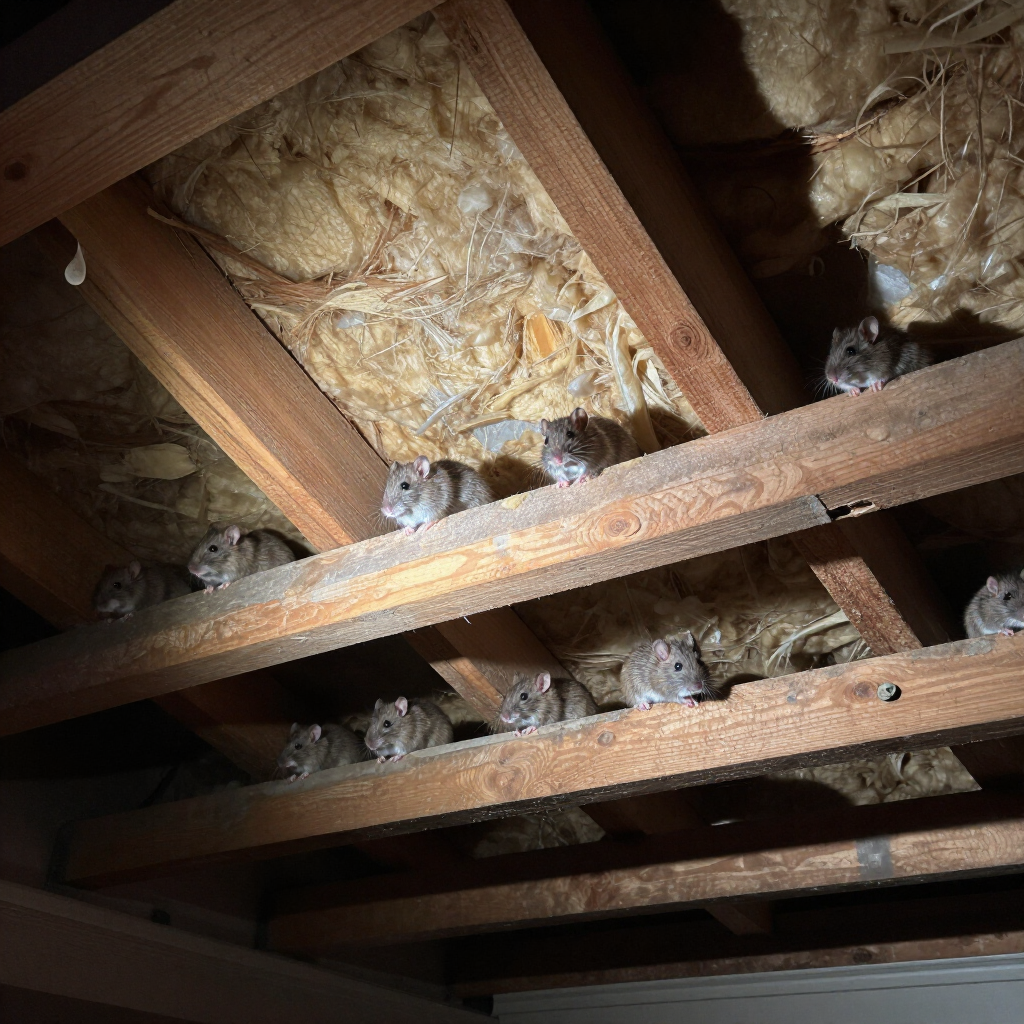
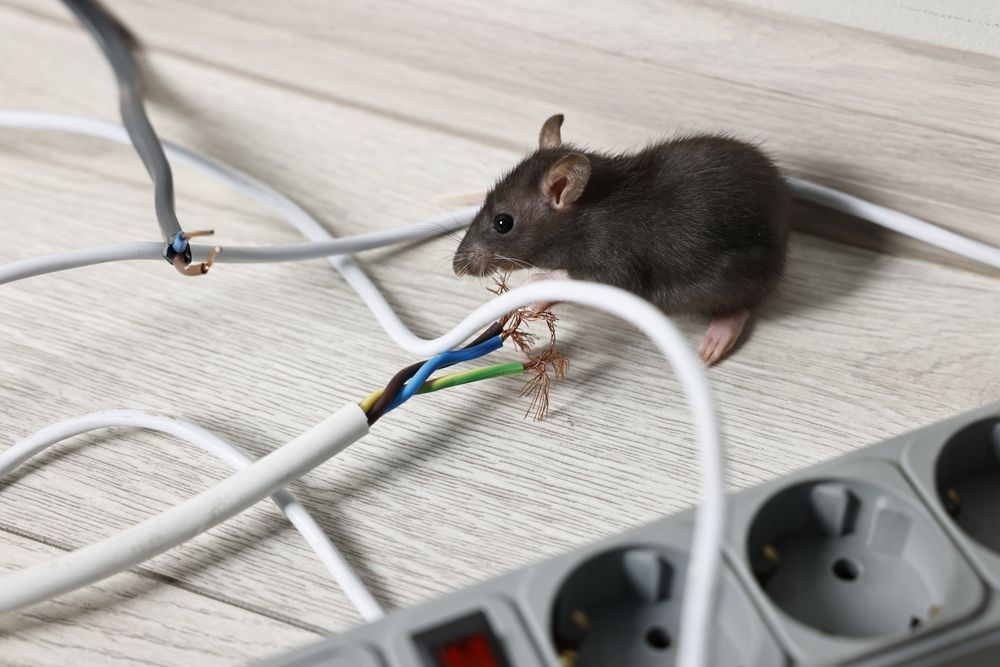
For clients who want proactive pest control rather than reactive management, an annual plan — typically two to four scheduled services spread across the year — provides coverage against the most common seasonal pests before they become established problems. Across the Mid North Coast, cockroaches, ants, spiders, silverfish, and rodents all have peak activity periods that an annual plan is structured around. Rodent control in particular is best addressed before the cooler months when rats and mice begin seeking shelter indoors; an annual plan ensures that pressure is monitored and managed before it becomes an infestation.

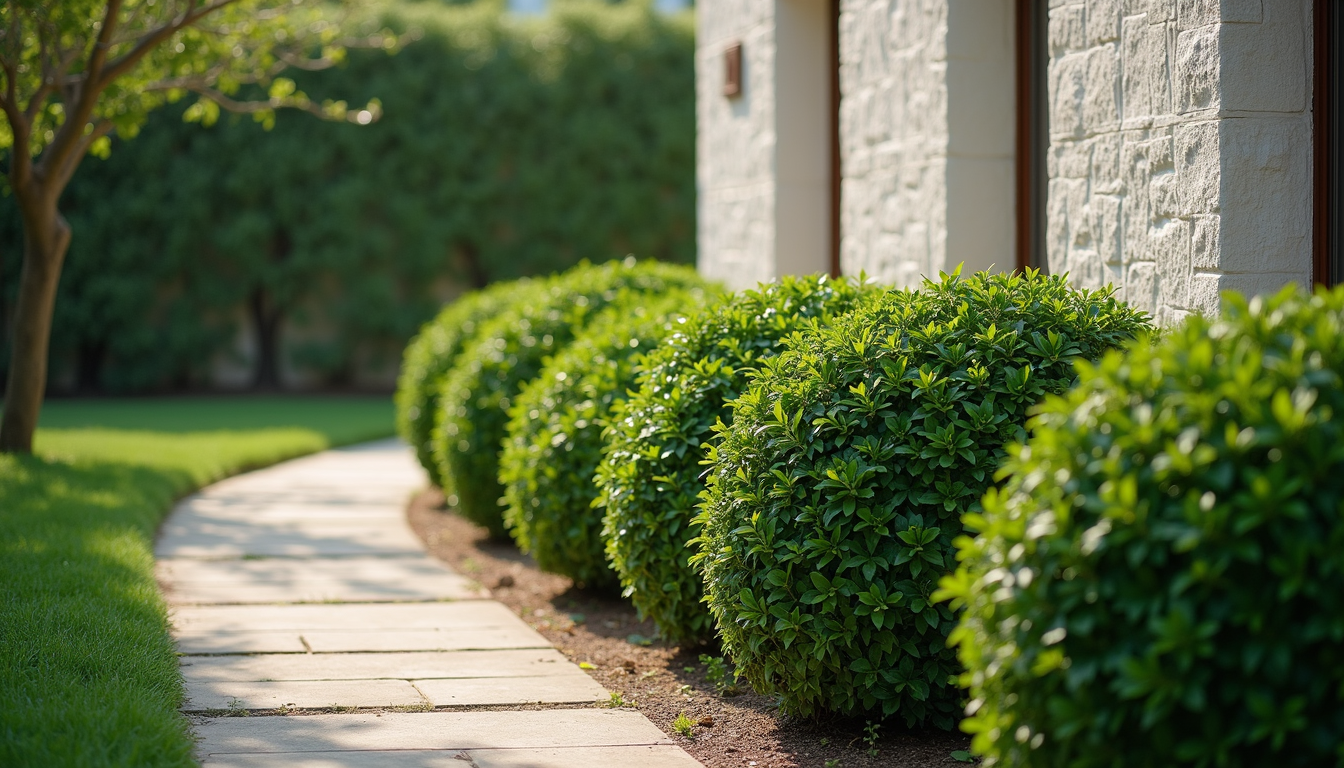
photo of front garden along house one-off treatment and an ongoing plan could come down to a single ant species. naturewise Pest Control in Port Macquarie

This approach is also more cost-effective for clients in the long run and allows for earlier identification of any emerging issues before they escalate. Annual plan clients also receive a discounted rate should an outbreak occur between scheduled visits, or should an additional pest species be identified that falls outside the standard coverage.

Maintenance Plans: When the Pressure Doesn't Go Away

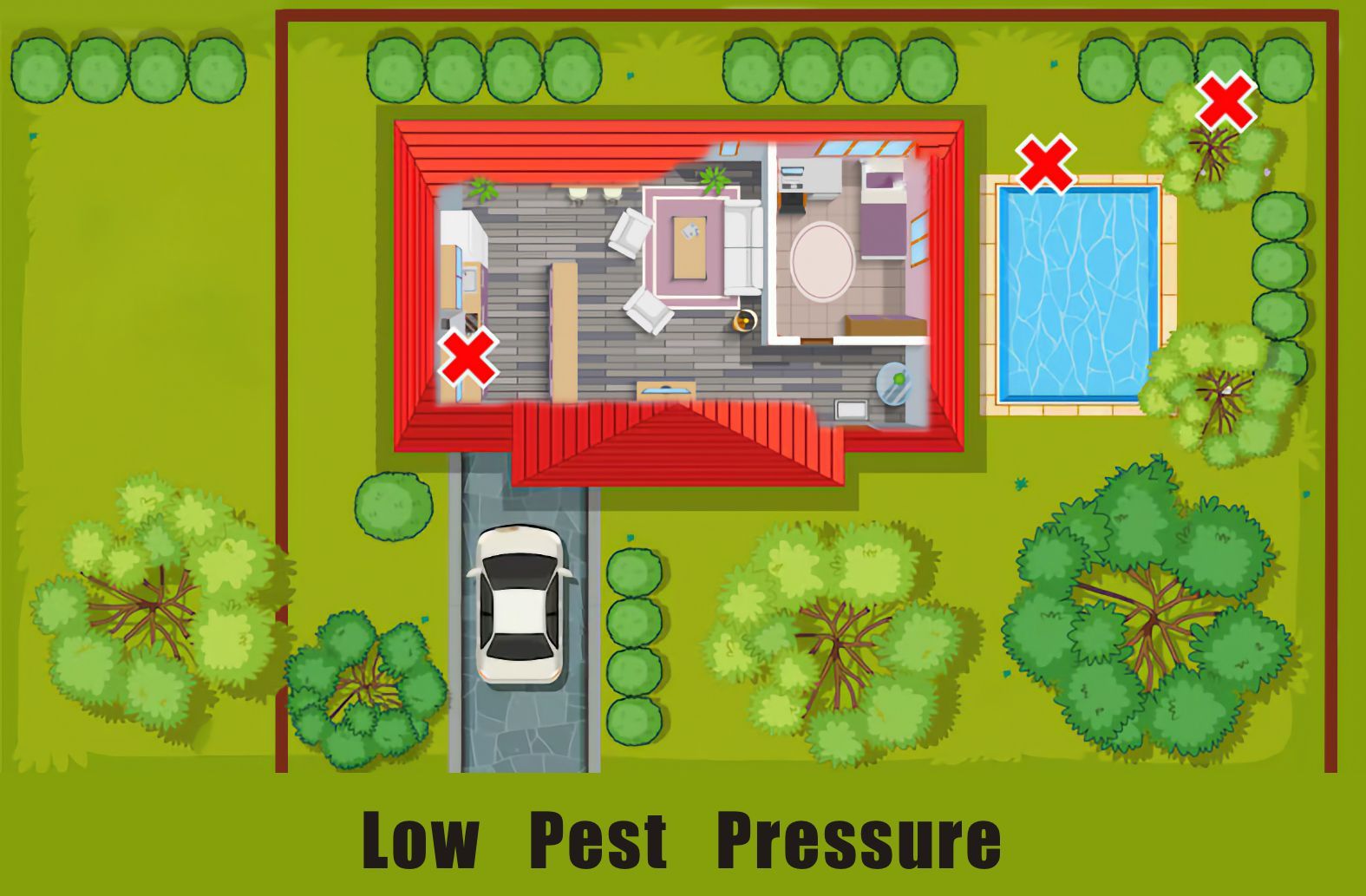
low pest pressure diagram one-off treatment and an ongoing plan could come down to a single ant species. naturewise Pest Control in Port Macquarie
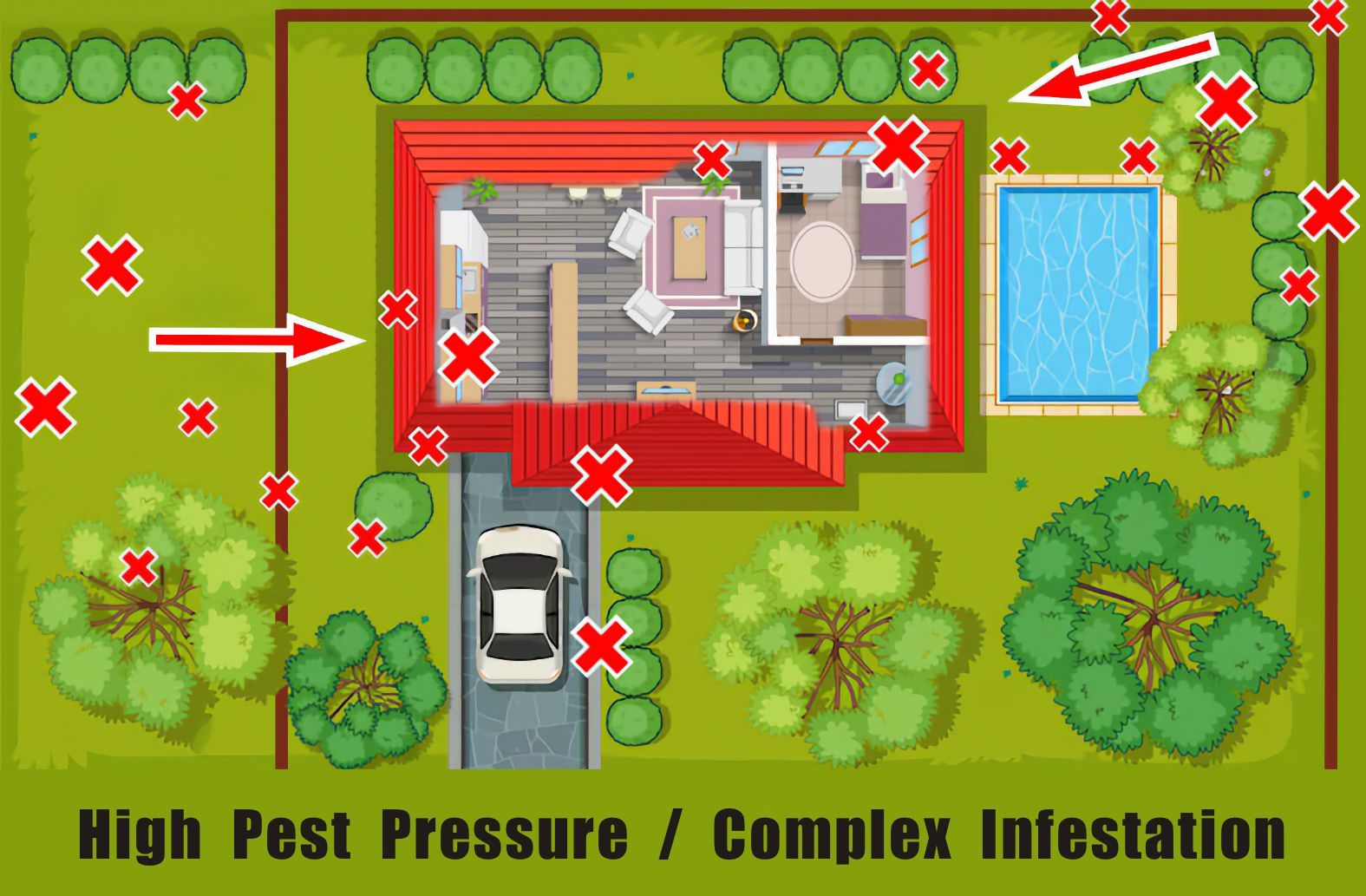
high pest pressure diagram one-off treatment and an ongoing plan could come down to a single ant species. naturewise Pest Control in Port Macquarie

Some properties in and around Port Macquarie, Wauchope, and Lake Cathie face a level of ongoing pest pressure that no single treatment or standard annual plan can fully address. These situations call for a maintenance plan — a higher-frequency, longer-term commitment to monitoring and population management rather than outright elimination.


Maintenance plans are appropriate where one or more of the following conditions apply:

Environmental factors that cannot be mitigated. Properties that border bushland — common across the Lake Cathie and Wauchope areas — face continuous reinvasion from native and pest species, and pest pressure in these settings is fundamentally different from an isolated suburban block.⁵ Similarly, properties in strata or terrace configurations where neighbouring dwellings are unsanitary or uncooperative create a situation where pests are continually reintroduced regardless of how well one unit is treated — a recognised challenge in urban pest management.⁵

Entry points that cannot be fully proofed. Some buildings — particularly older construction common throughout the region — have structural voids, service penetrations, and weathered seals that cannot be fully sealed without major renovation work. Where exclusion is incomplete, ongoing pest control becomes the primary management method.

A history of recurring pest activity. Past infestations are one of the strongest predictors of future ones. If a Port Macquarie or Wauchope property has had multiple treatments for the same pest over consecutive years, that pattern is evidence of a persistent underlying driver — whether structural, environmental, or both.

Invasive or difficult-to-treat species confirmed on site. As outlined above, species such as white-footed ants — where elimination is unlikely and ongoing ant control is the realistic goal — warrant a longer-term management commitment rather than a promise of resolution.⁵˒⁶

In practice, many properties present with a combination of these factors, and the plan is structured accordingly.

The Bottom Line

A good pest management professional doesn't just sell treatments — they match the solution to the reality of the problem. Whether that's a single targeted visit, a short program, an annual plan, or an ongoing maintenance commitment, the recommendation should always be grounded in an honest assessment of the species, the site, and the situation. If you're in Port Macquarie, Wauchope, Lake Cathie, or anywhere on the Mid North Coast and you're unsure which option is right for your property, get in touch with Naturewise — a thorough inspection is always the first step.

Looking for more information?

Reach out or check our other blog posts for more information.


References

  1. Global Invasive Species Database (GISD). Species profile: Technomyrmex albipes [Internet]. 2025 [cited 2025 Dec 6]. Available from: https://www.iucngisd.org/gisd/species.php?sc=1061
  2. Nolan T. White footed house ant (Technomyrmex spp.) in Australia [Internet]. Professional Pest Manager; 2025 [cited 2025]. Available from: https://professionalpestmanager.com/ants/white-footed-house-ant/
  3. Kahar N, Bhatt GJ, Purohit AC, Deota PT. The role of UV absorbers in preventing photodegradation and increasing lifespan of pesticides. Discov Environ. 2025;3:128. doi:10.1007/s44274-025-00320-9
  4. Lakshmipathy K, et al. A review on pesticides degradation by using ultraviolet light treatment in agricultural commodities. eFood. 2024;5(1):e129. doi:10.1002/efd2.129
  5. Lowe EC, Butterworth NJ, Austin A, Webb C, Latty T. Stakeholder co-design of sustainable urban pest management strategies. Ambio. 2025. doi:10.1007/s13280-025-02204-x
  6. Deguine JP, Aubertot JN, Flor RJ, Lescourret F, Wyckhuys KAG, Ratnadass A. Integrated pest management: good intentions, hard realities. A review. Agron Sustain Dev. 2021;41:38.
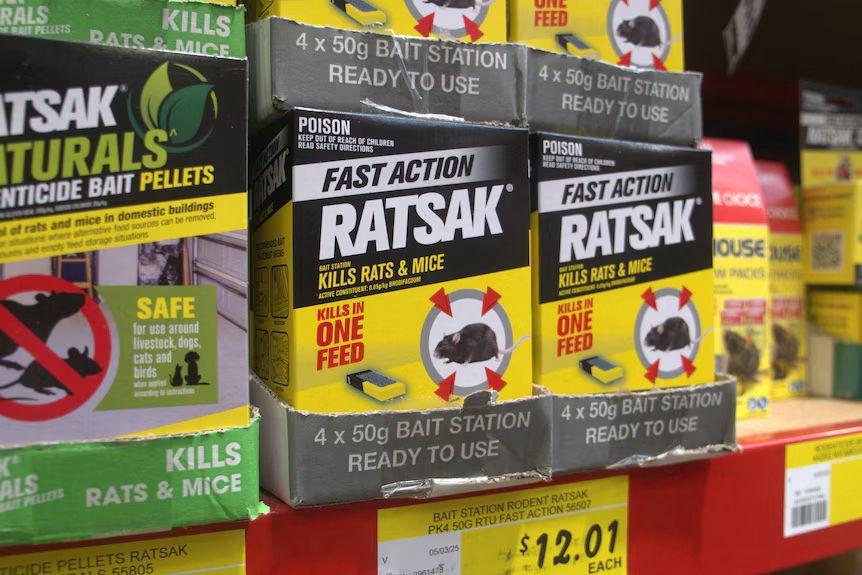
image of common rodent bait on store shelf - rat control port macquarie
By Clint Mcmanus April 6, 2026
Australia has restricted second-generation rat baits from 24 March 2026. Learn what changed, why it matters for Port Macquarie wildlife, and when to call a licensed pest controller.
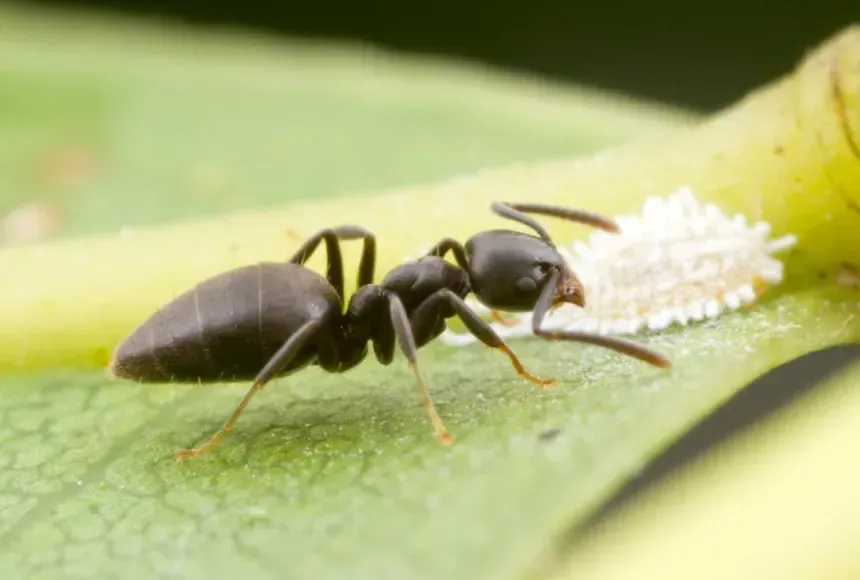
white footed ant on leaf close up pest control port macquarie
By Clint Mcmanus March 13, 2026
Why Technomyrmex albipes (white footed ant) is Port Macquarie's most relentless pest ant — why fighting them the wrong way makes everything worse. Ant pest control
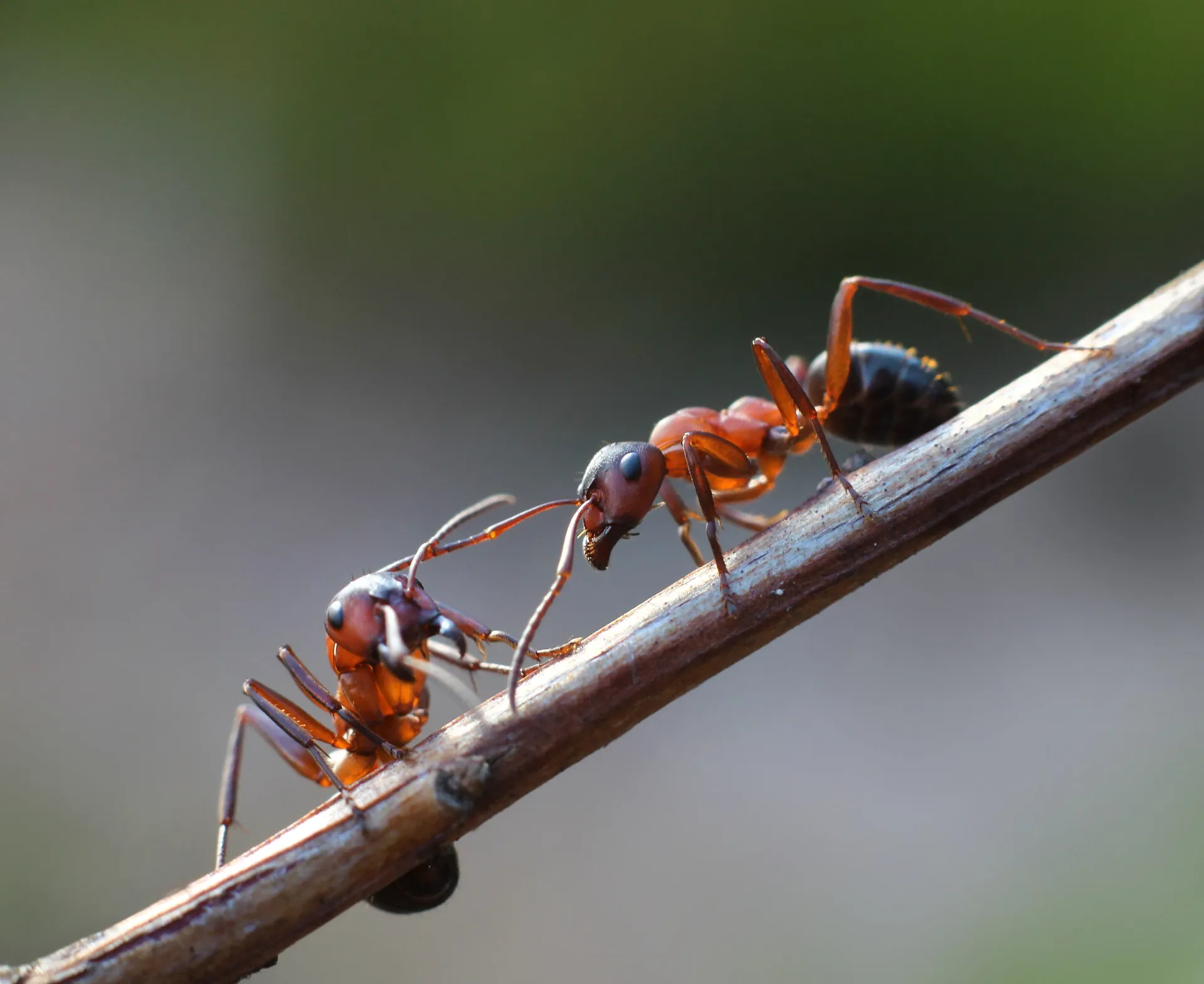
Two Red Ants on a Brown Twig, Antennae Touching — NatureWise Pest Control In Port Macquarie, NSW
By Clint Mcmanus March 11, 2026
Ants are among the most successful insects on Earth, with their highly organised social structures and remarkable adaptability allowing them to thrive in virtually every terrestrial habitat.
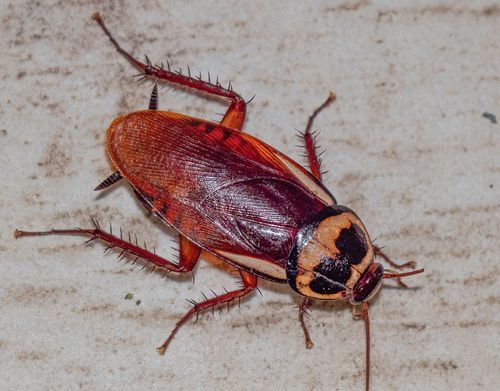
Brown Cockroach on a Textured White Surface — NatureWise Pest Control In Port Macquarie, NSW
March 11, 2026
There are many different species of cockroach Australia wide, with some that can be difficult to identify. This article covers many common species you may find in your home in Port Macquarie, and information on pest control options.
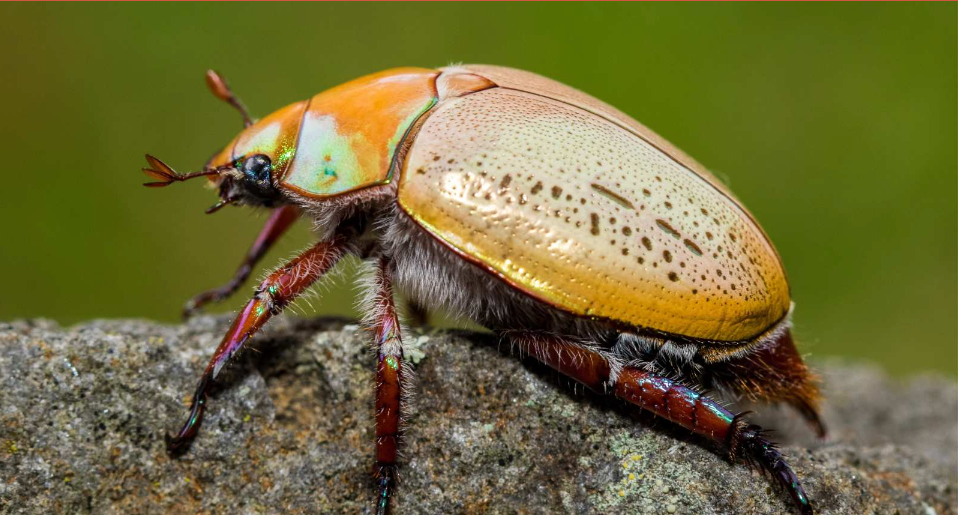
Beetle With Orange and Cream Shell — NatureWise Pest Control In Port Macquarie, NSW
By Clint Mcmanus March 9, 2026
I remember a warm night on a road trip from Port Macquarie to Sydney. We pulled over at a rest stop under fluorescent street lights—and suddenly the air was full of buzzing. Dozens of Christmas beetles, drawn to the glare, flitted in waves. Their flight was unsteady, almost comical in its clumsiness—but mesmerising. When they landed, their shells glowed dusky gold or bronze; sometimes streaks of green or copper shimmered across their backs under the light.  That scene stirred something primal: a sense of summer, of wild nature brushing up against our human spaces. It felt like magic. Recently this year I saw two Christmas beetles near Port Macquarie. Not a swarm, not dozens—but two. It was surreal, and stirred hope. Does that mean they're coming back? Probably not. But perhaps it's a small sign that under the right conditions, they still find their way.
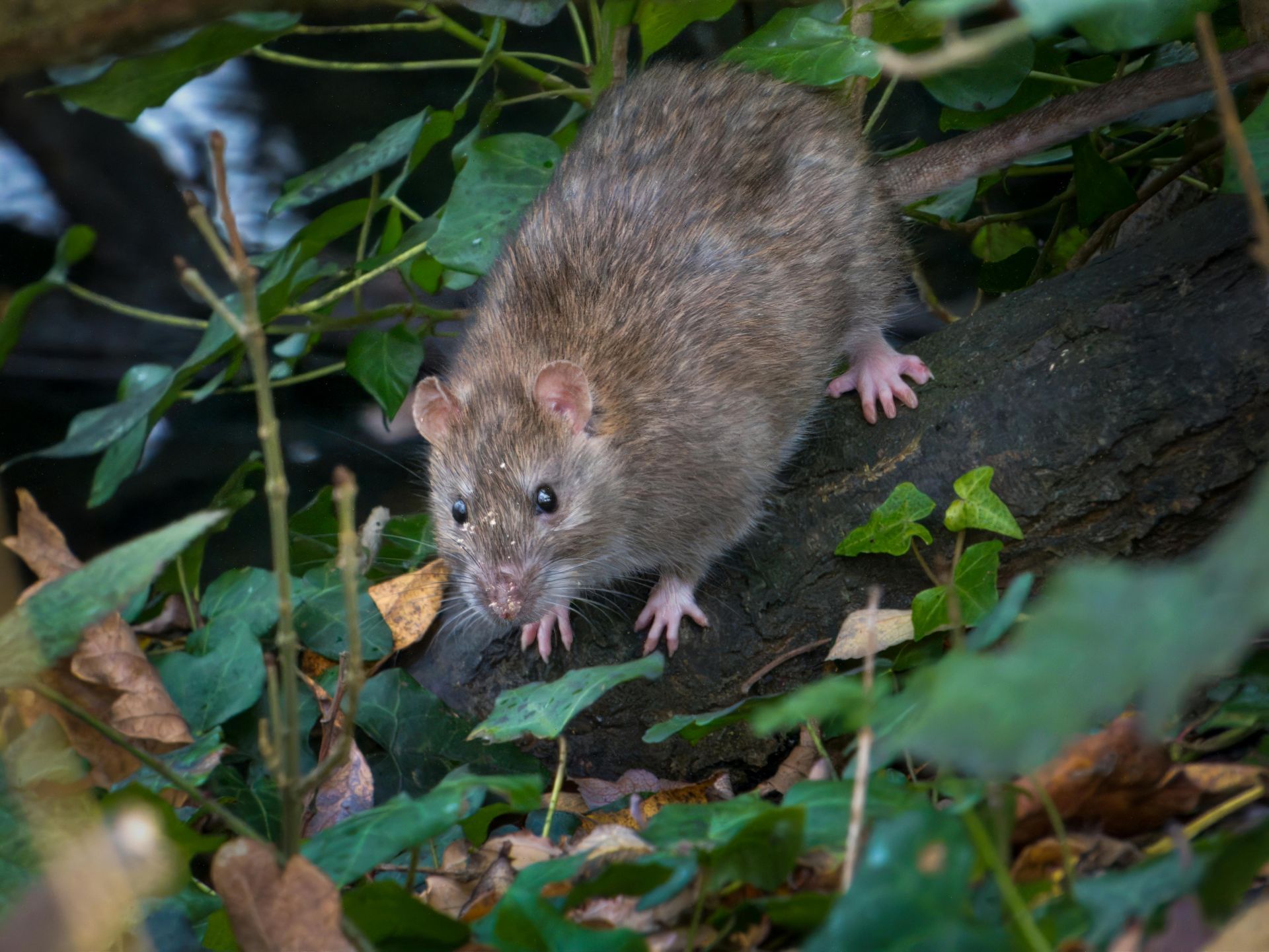
roof rat grey amongst green foliage rodent control port macquarie
By Clint Mcmanus March 8, 2026
As temperatures begin to drop across Australia, rodents such as rats and mice start searching for warm, sheltered places to nest. Effective rodent control...
Photographs of the rattle ant (Polyrhachis australis), ant pest control port macquarie
By Clint Mcmanus February 15, 2026
Learn about Black Weaver Ants (Polyrhachis australis) in Port Macquarie, Kempsey, Wauchope & Lake Cathie, and how to tell them apart from other ants. Pest Control
Cockroaches Crawling on a White Surface — NatureWise Pest Control In Port Macquarie, NSW
By Clint Mcmaus September 27, 2025
Discover how to identify and eliminate German cockroaches in Lake Cathie. Expert pest control tips for getting rid of German cockroach infestations in Port Macquarie.
Detailed Drawing of a Flea — NatureWise Pest Control In Port Macquarie, NSW
By Clint Mcmaus September 27, 2025
Discover effective flea treatment advise for your home in Port Macquarie. Learn how veterinary flea treatment for dogs can protect your pets and advise for treating your home for infestations.
Garden With Pink Flowers and Trees — NatureWise Pest Control In Port Macquarie, NSW
By Clint Mcmaus September 26, 2025
Relying on chemical pesticides may give short‑term relief but those products often harm the predators and pollinators that naturally suppress pests. Modern ecological landscaping focuses on creating habitats that encourage native birds, frogs, bats and beneficial insects like lady beetles, hoverflies, lacewings and parasitoid wasps to thrive.
Show More