
Common Pests in Port Macquarie and How to Deal With Them
Common pests in Port Macquarie and how to deal with them

Living in coastal and bushland areas like Port Macquarie means pest pressure is a normal part of home ownership. Warm weather, moisture, and surrounding vegetation create the perfect environment for a range of pests — particularly cockroaches and ants.
Understanding what you’re dealing with is the key to choosing the right treatment approach.
Cockroaches: German vs Large Cockroaches
Not all cockroach problems are the same. The two most common types we see are German cockroaches and large cockroaches — and they require completely different strategies.
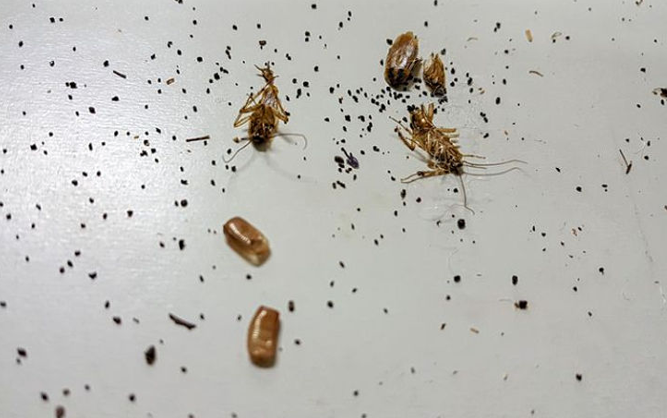
German cockroaches are the more difficult of the two. They are typically found indoors, especially in kitchens, and reproduce rapidly. These infestations are rarely solved with a single treatment.
Effective control usually involves:
- 2–3 treatments spaced over time
- Use of rotating treatment methods (to prevent resistance)
- Consistent use of an insect growth regulators (IGR)
- Targeted gel baiting in kitchen areas
Without a structured treatment plan, they tend to persist or return quickly.

Want more info on German cockroaches?
Check out our blog on German cockroaches
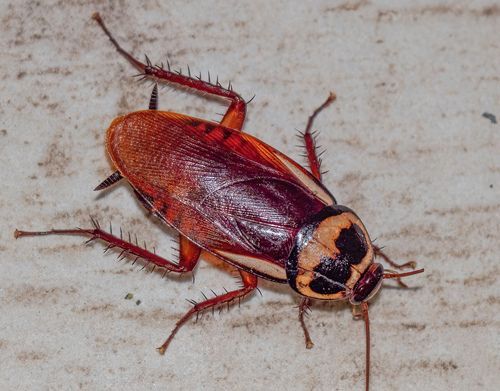
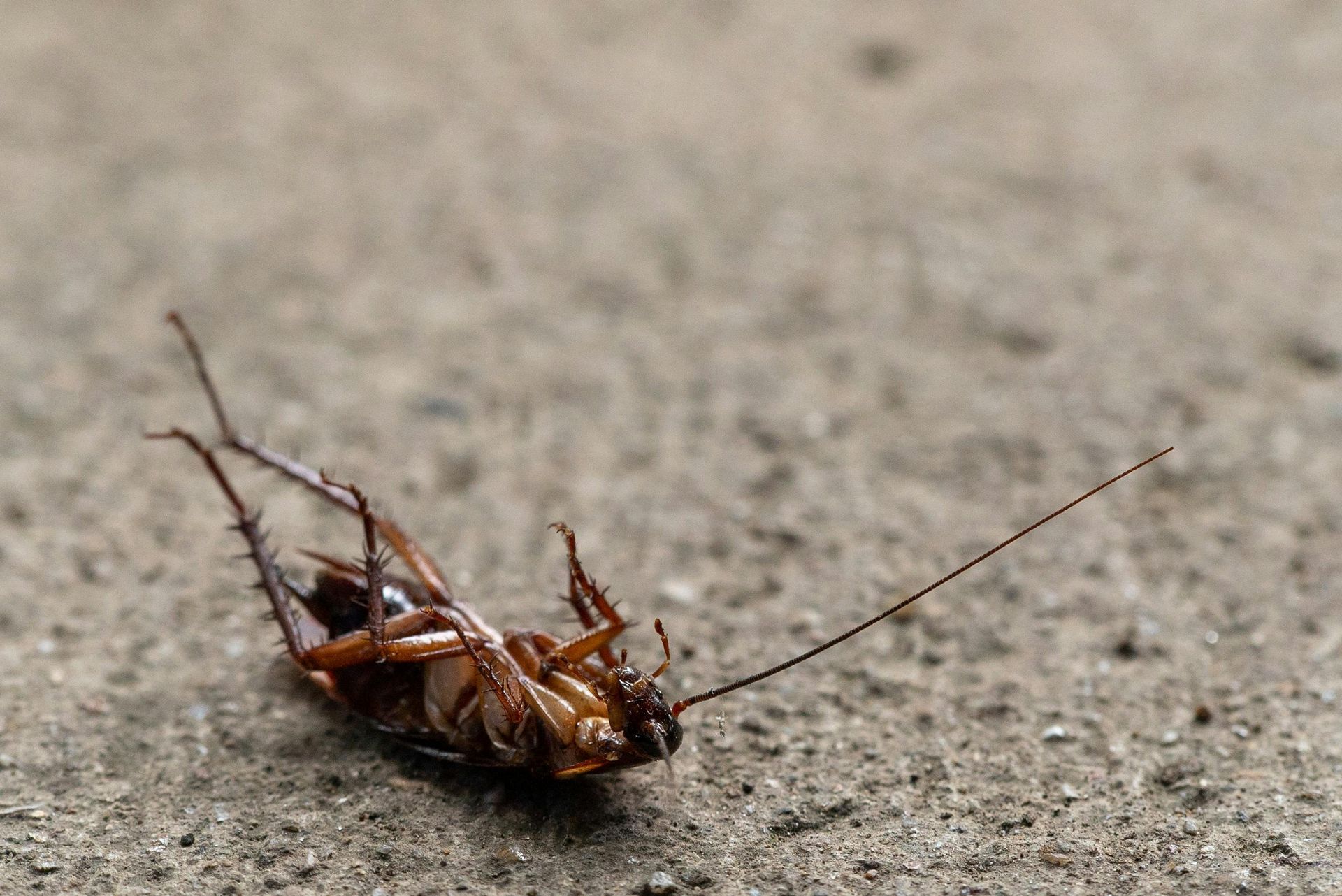
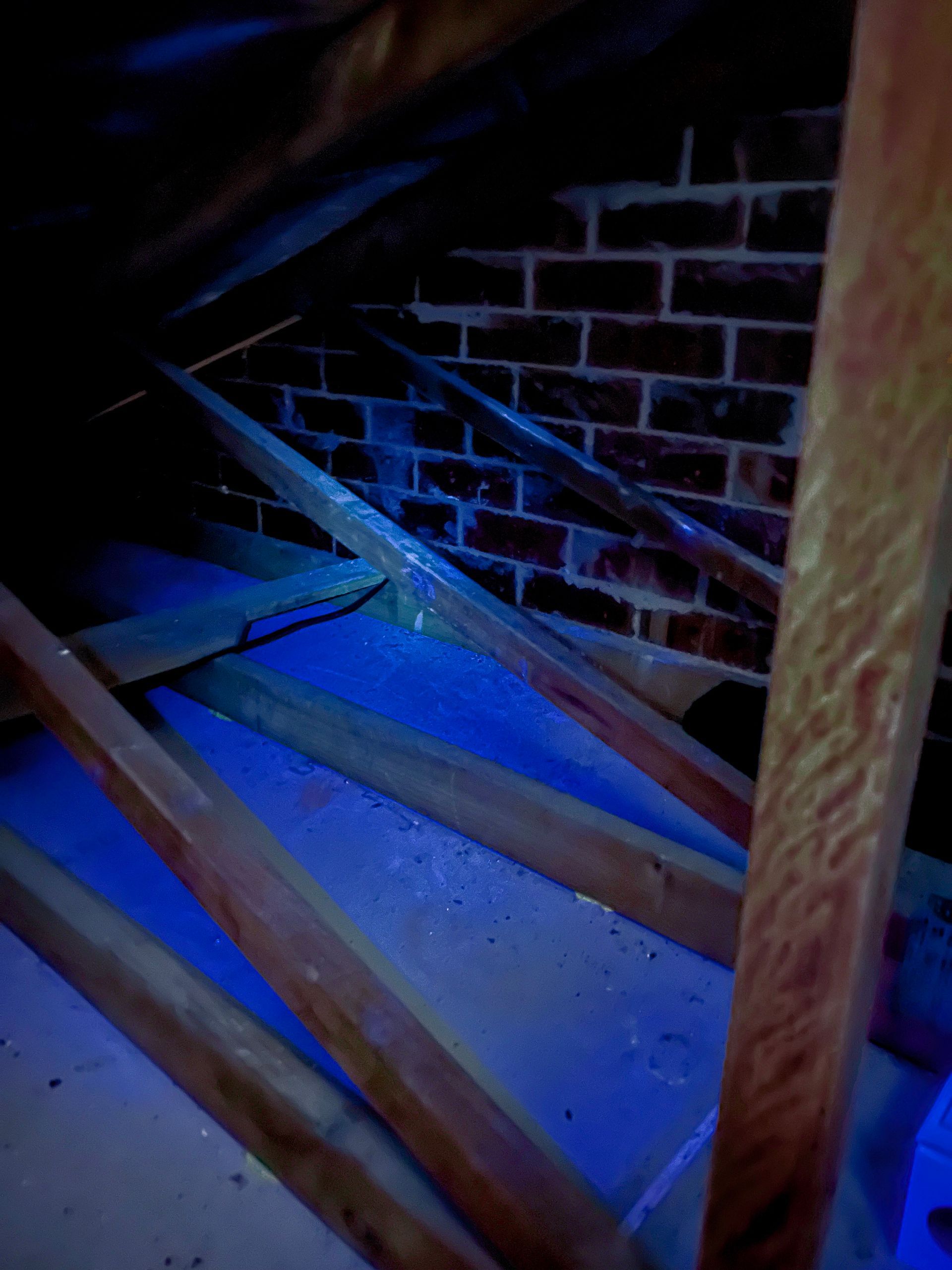
Large cockroaches (such as American or Australian species) are usually coming from outside or nesting in roof voids and subfloors. In bushland areas, there can be constant pressure from surrounding environments, making complete exclusion difficult.
Typical treatment includes:
- Dusting roof voids and subfloors
- Gel baiting in cupboards and internal areas
- Residual treatments to cracks, crevices, and entry points
The focus here is both control and prevention — reducing entry points and harborages while managing the population.

Want more info on cockroaches?
Check out our blog on cockroaches
Ants: One of the Most Common (and Misunderstood) Pests
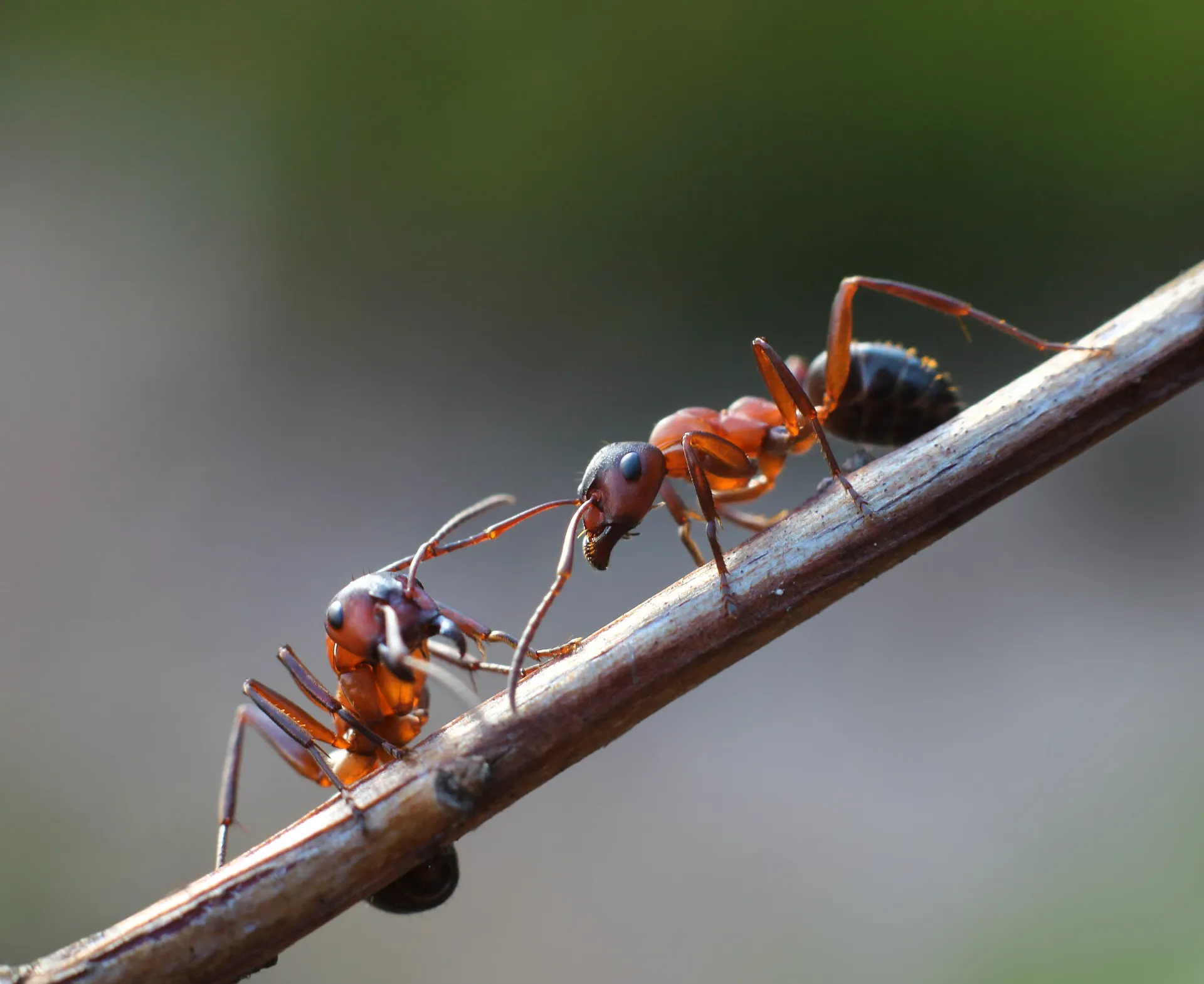
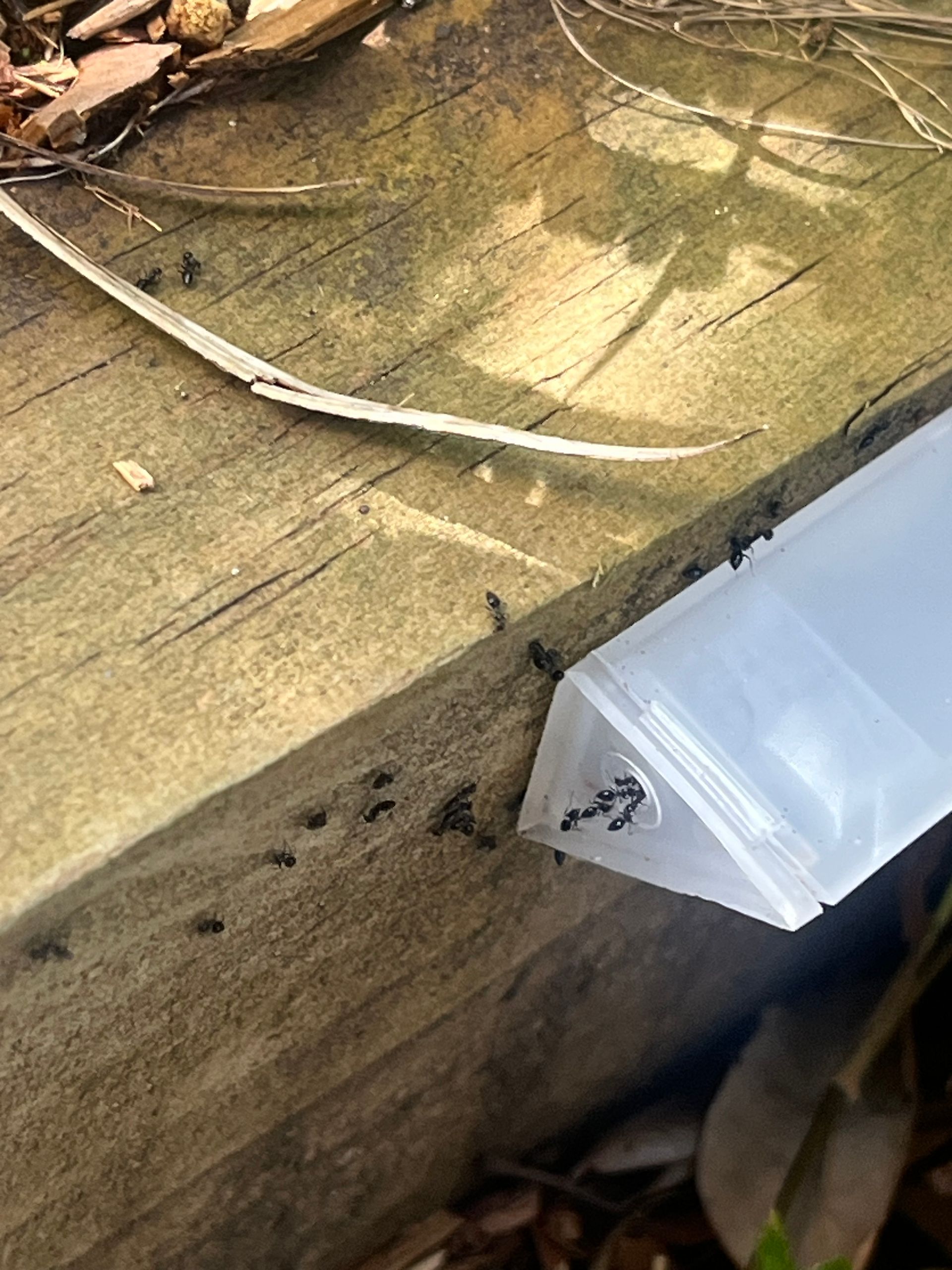
Ant infestations vary widely depending on the species. In this area, we often see a mix of:
- Black house ants
- Coastal brown ants
- Bull ants
- Crazy ants
- White-footed ants
- Spiny ants
Each behaves differently, which is why a one-size-fits-all treatment rarely works.
White-Footed Ants: High Pressure, Complex Behaviour
White-footed ants are often mistaken for black house ants but behave very differently. These colonies can number in the hundreds of thousands — sometimes even millions — and can enter homes from multiple directions at once.
They are particularly challenging because they:
- Adapt quickly to treatment
- Split into multiple nests when disturbed
- Change foraging behaviour under pressure
The most effective approach is gel-based baiting, combined with ongoing monitoring and adjustments. Treatments often need to evolve over time to stay effective.

Want more info on White-footed ants?
Check out our blog on white-footed ants
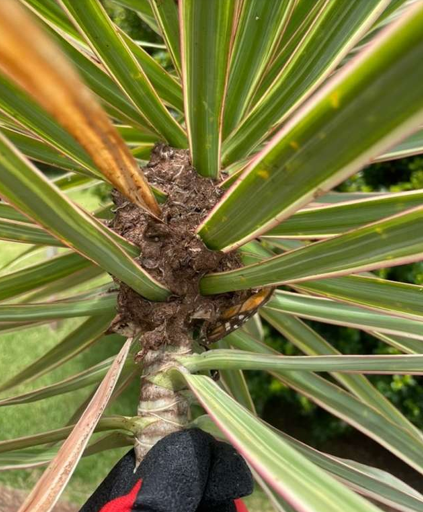
Spiny Ants (Polyrhachis australis)
Spiny ants are usually outdoor nesters but can become a nuisance when they establish close to the home.
They commonly nest:
- Around window frames and pipe gaps
- In plants, shrubs, and tree branches
- Under gate frames or similar structures
They build distinctive nests using a silk-like material combined with debris.

Control typically involves:
- Gel baiting
- Granular bait applications in soil and garden beds
Residual barrier treatments are best applied after the colony has been controlled, to prevent future movement into the home.
Want more info on Spiny ants?
Check out our blog on spiny ants
General Ant Infestations Around the Home
For more common ant species found around pavers, driveways, and garden areas, treatment is usually more straightforward.
These infestations often respond well to:
- Targeted granular applications
- Residual treatments in key areas
In many cases, one or two treatments are enough, especially when combined with small environmental changes to reduce attractants and nesting sites.
Why Treatment Method Matters
One of the most common mistakes with ant control is using repellent products. While they may seem effective at first, they often cause ants to scatter and relocate, making the problem worse.
Non-repellent treatments allow ants to:
- Continue normal foraging behaviour
- Carry bait back to the colony
- Eliminate the problem at its source
This is critical for achieving long-term results.
Repellent treatments should only be used for ants after colony collapse, as targeted treatments to prevent reinfestation.
Final Thoughts
Pest control isn’t just about applying a product — it’s about understanding pest behaviour and using the right strategy for each situation.
In areas like Port Macquarie, where environmental pressure is high, effective pest management often requires a combination of targeted treatment, prevention, and ongoing monitoring.
If you’re unsure what you’re dealing with, getting the identification and approach right early can save a lot of time, cost, and frustration.
Reach out for an inspection and quote