Getting Ready for Winter Rodent Control and Prevention | Port Macquarie

Clint Mcmanus • March 8, 2026

The case for getting ahead of the problem before winter arrives

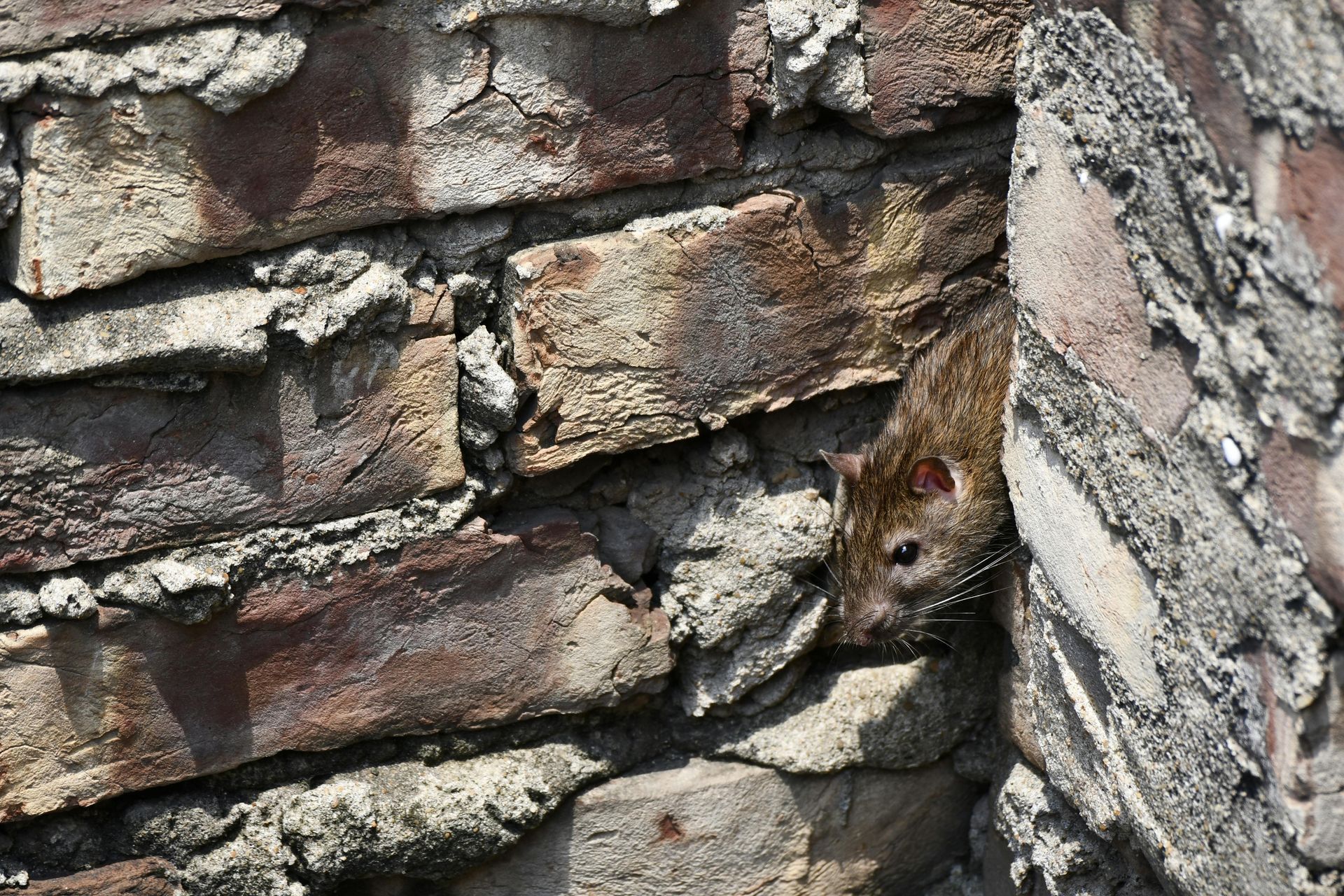
rattus rattus roof rat shades of grey and brown between brickwork. rodent rat pest control naturewise port macquarie nsw

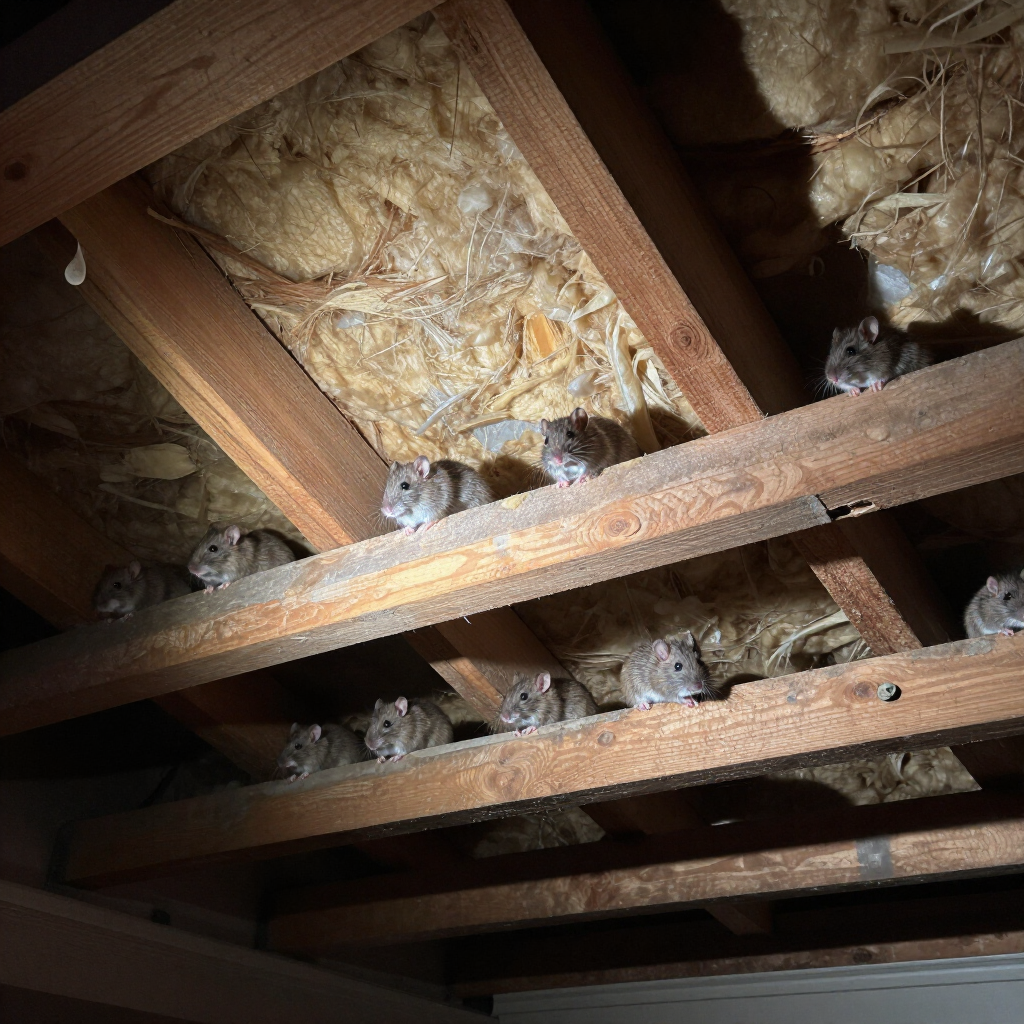
As temperatures begin to drop across Australia, rodents such as rats and mice start searching for warm, sheltered places to nest. Roof cavities, wall voids, garages and storage areas become highly attractive environments during the cooler months. Winter is often when hidden infestations suddenly become noticeable — scratching in ceilings, new droppings, or unexplained odours. Effective rodent control is rarely about a single quick treatment; it requires understanding how rodents interact with buildings and the surrounding environment.

Why Winter Increases Rodent Pressure


Rodents are opportunistic animals that adapt extremely well to urban environments. During winter they seek warmth, nesting materials and protection from predators. Homes provide stable temperatures and sheltered spaces that mimic natural burrows. Even properties that appear clean and well maintained can experience infestations if nearby conditions support rodent populations.[1]

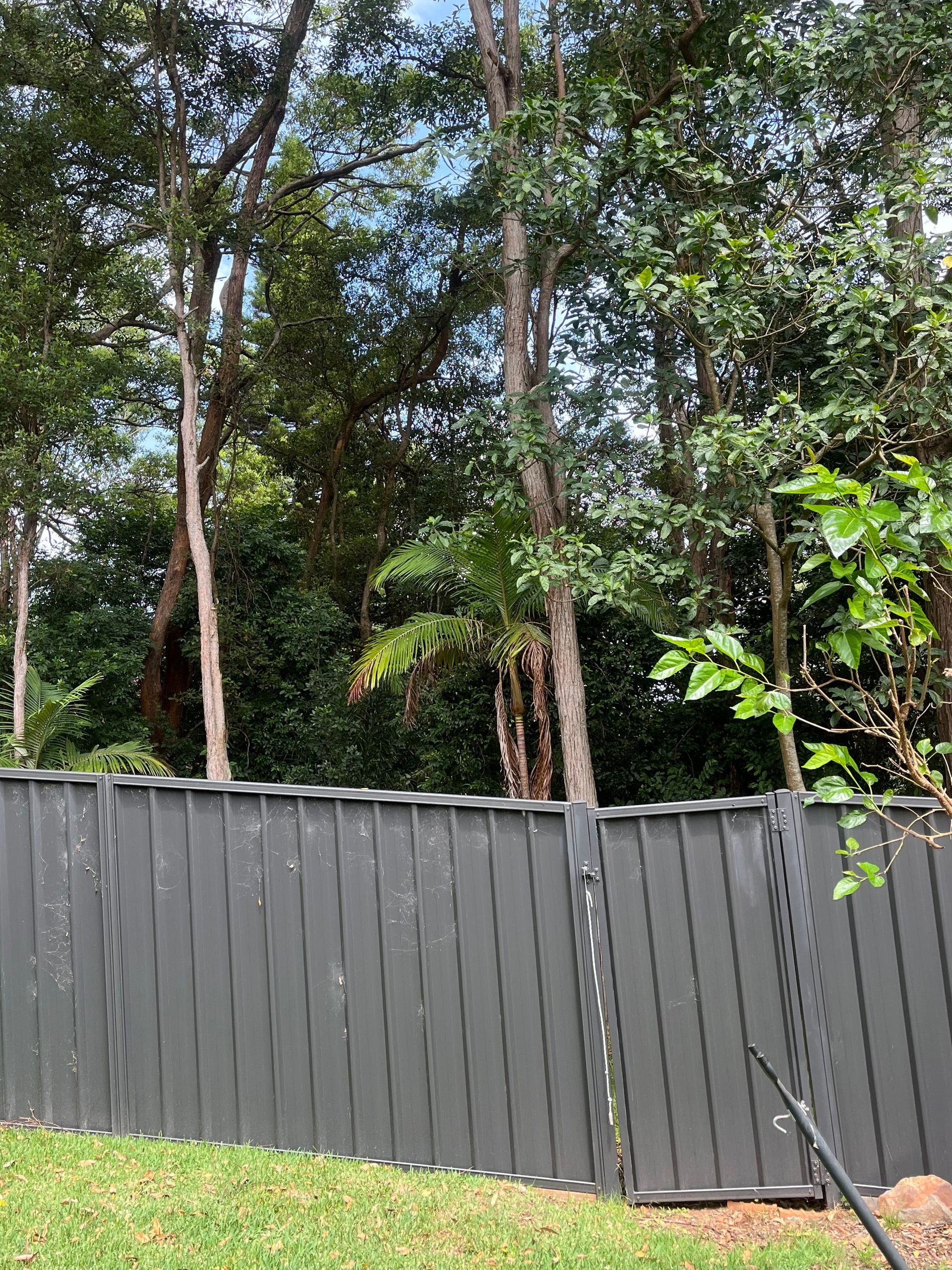
grey color bond fence with trees and foliage from near by bushland, provide ongoing source of rodent activity. rodent rat pest control naturewise port macquarie nsw

Properties backing onto bushland, reserves, drainage corridors or unmanaged vegetation often experience increased seasonal pressure. These environments can support large rodent populations with abundant natural food and shelter.


Urban areas adjacent to native vegetation create an interface where commensal rodent species — particularly the black rat (Rattus rattus) — are known to exploit both built and natural environments, moving between the two as resources and conditions change.[5,6] 


When colder weather arrives, rodents may travel significant distances to access roof cavities and wall voids that provide warmth and protection, with urban rat movement shown to be strongly dependent on access to food and harborage resources.[4]

Shared Structures and Neighbouring Properties


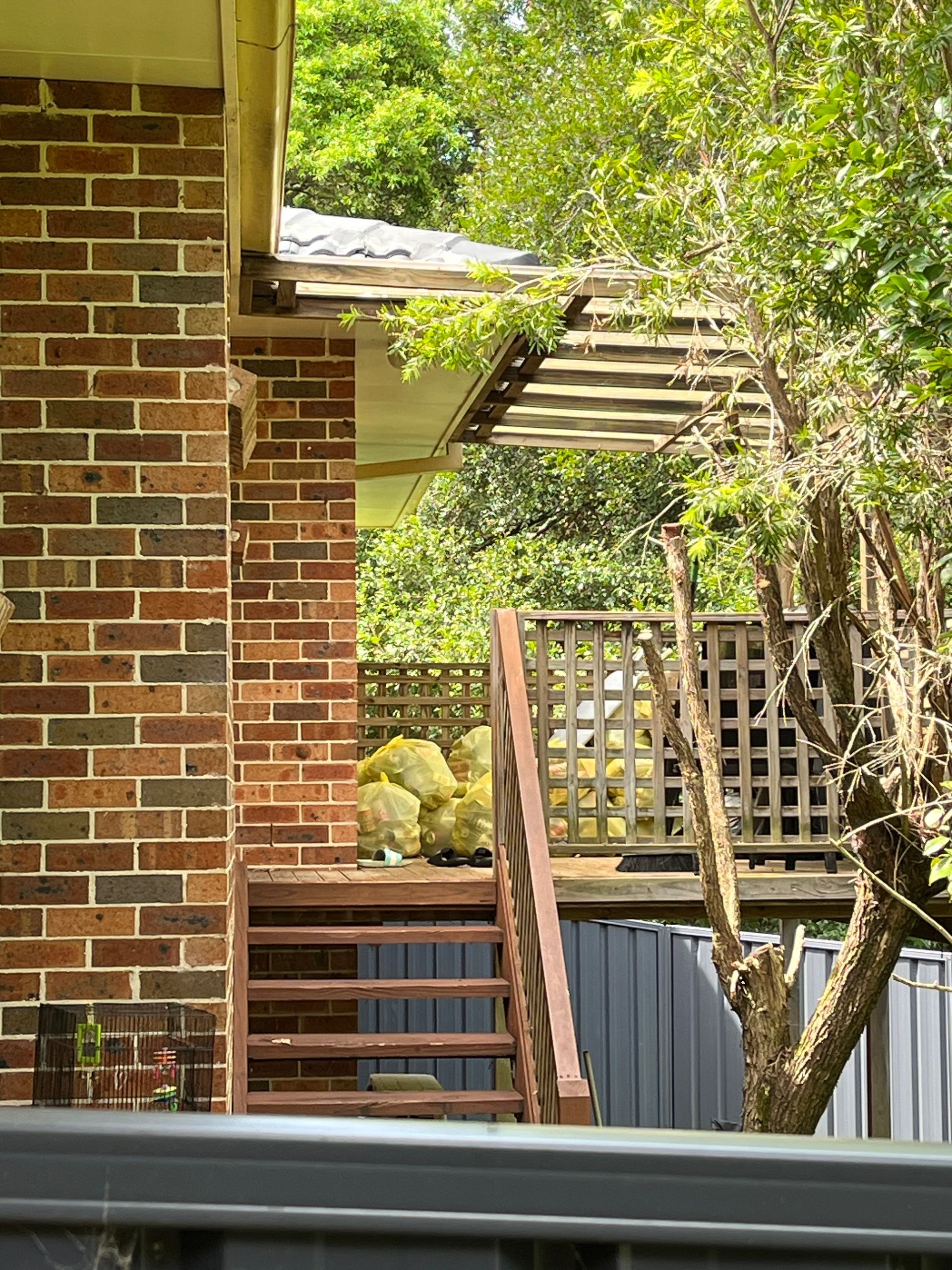
photo of neighboring house showing stairs, red brickwork and back deck. many bags of rubbish litter back entrance, attracting rodents leading to infestations. rodent rat pest control naturewise port macquarie nsw

In many urban areas, houses share structural elements such as firewalls, roof lines, fencing or subfloor spaces. Even if one homeowner invests in thorough rodent proofing, neighbouring properties with poor sanitation or structural gaps can continue supplying new rodents into the area.


Urban rat movement research demonstrates that dispersal events can occur over distances of several kilometres, and that rats readily adjust their home ranges and movement patterns in response to environmental change — including control efforts at adjacent properties.[4]

This situation is particularly common in terrace housing, duplexes and townhouses where roof cavities or wall voids connect across property boundaries.


If neighbouring residents are unwilling to address sanitation or proofing issues, rodents may simply relocate through these shared structural pathways. In these situations, long-term monitoring and targeted control strategies are often required rather than relying solely on physical proofing.

Opportunistic Infestations: When Rodents Nest But Feed Elsewhere


Not every infestation occurs because food is available inside the home. Many rodent populations obtain food and water outdoors from sources such as pet feeding areas, compost, fruiting trees, livestock feed or poorly managed waste areas.[2]

Even when feeding occurs entirely outside, rodents may still nest inside roof cavities because the structure offers ideal shelter.

Roof spaces often contain multiple entry points around flashing, vents, eaves, pipe penetrations and construction gaps.[1] Once inside, timber framing, electrical cables, plumbing and insulation effectively act as rodent highways, allowing rodents to move freely throughout the structure. In some buildings these spaces provide large open cavities with multiple nesting sites and easy travel routes — less of a shelter and more of an amusement park for rodents. In these cases, extensive structural proofing combined with long-term ongoing monitoring is often required to achieve reliable control.

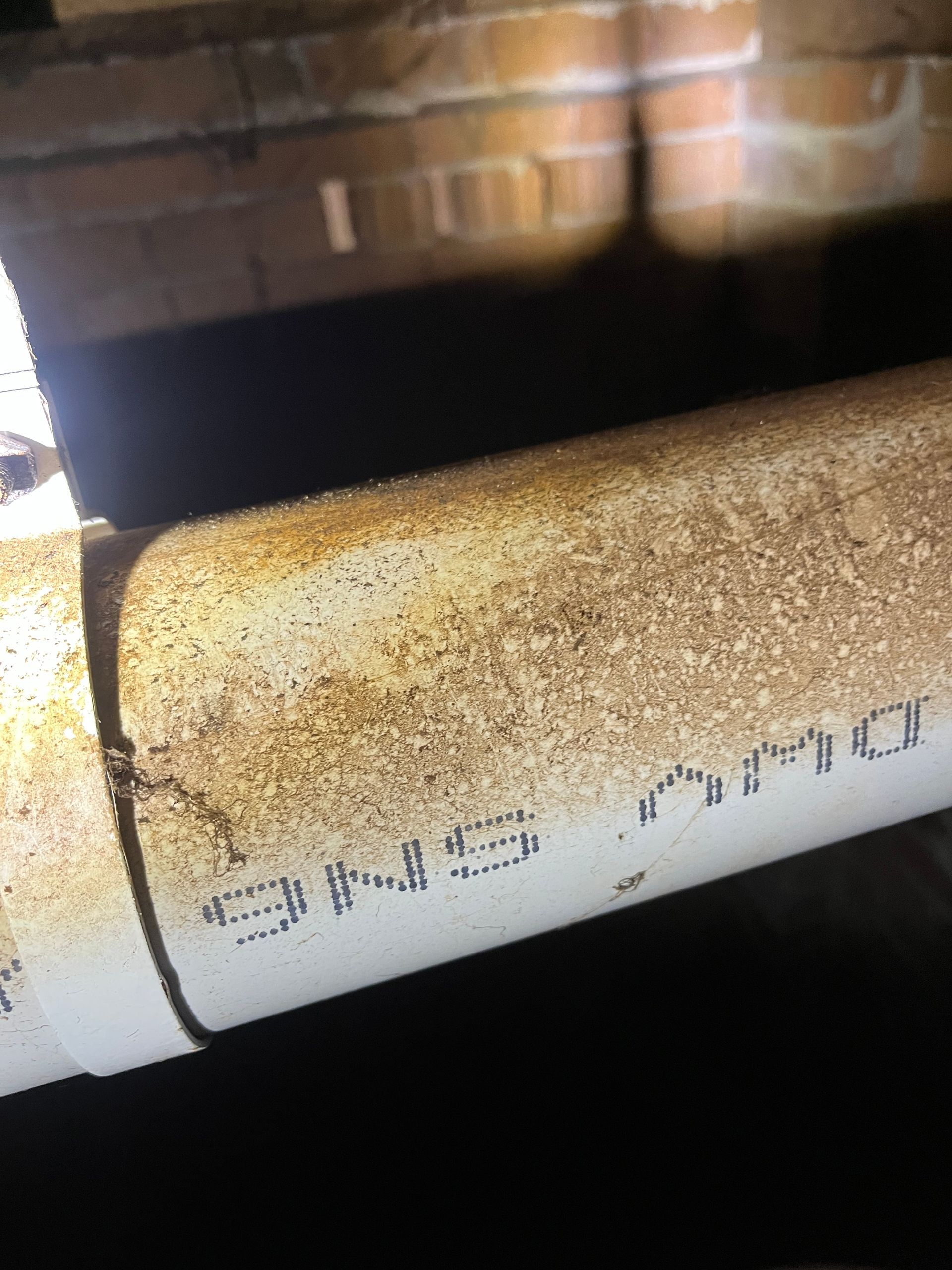
PVC pipe in subfloor, white with brown stains and marks, smear marks showing past rodent activity. rodent rat pest control naturewise port macquarie nsw
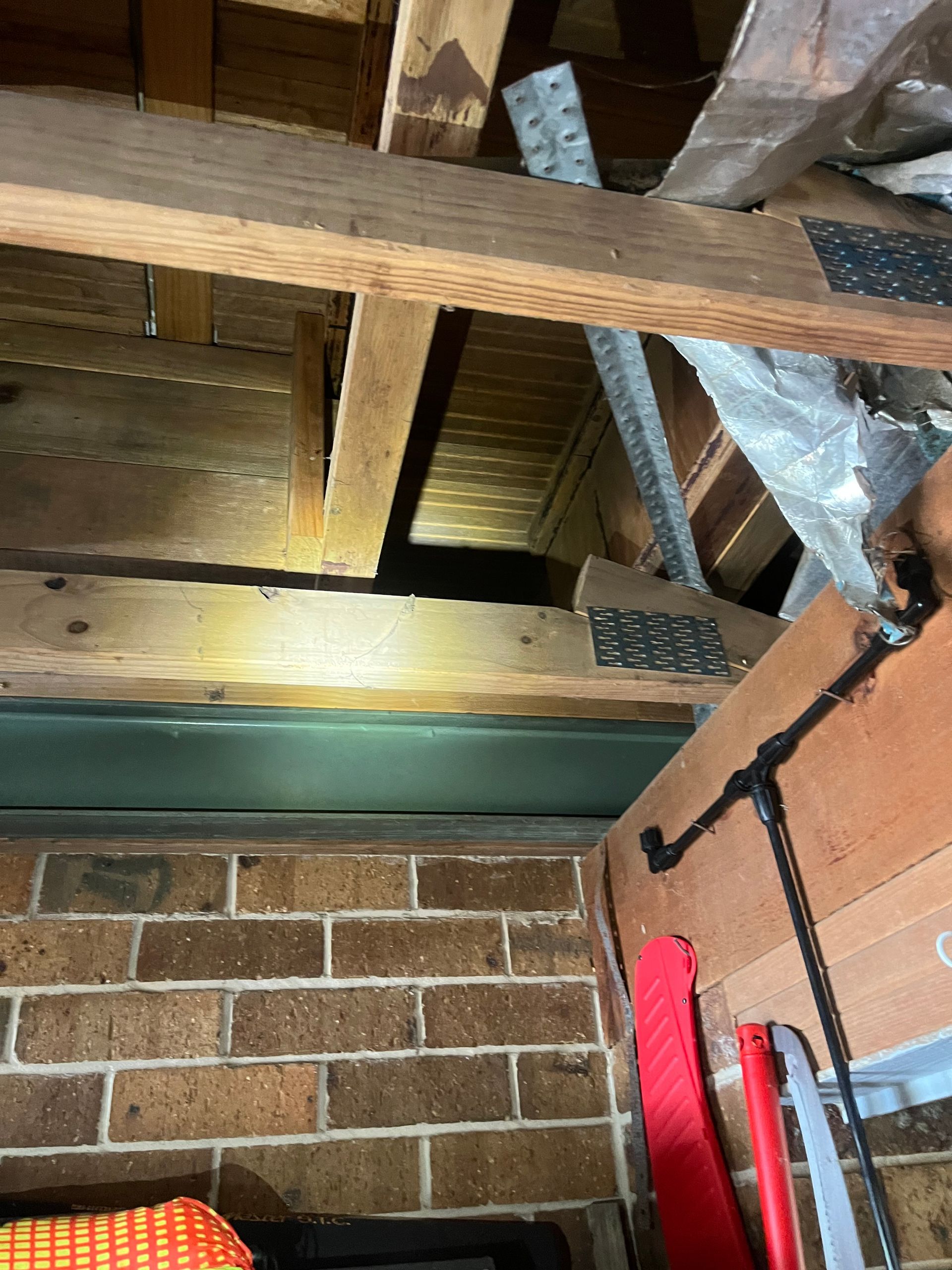
subfloor photo of many wooden beams in garage where rodents travel and enter the home. rodent rat pest control naturewise port macquarie nsw
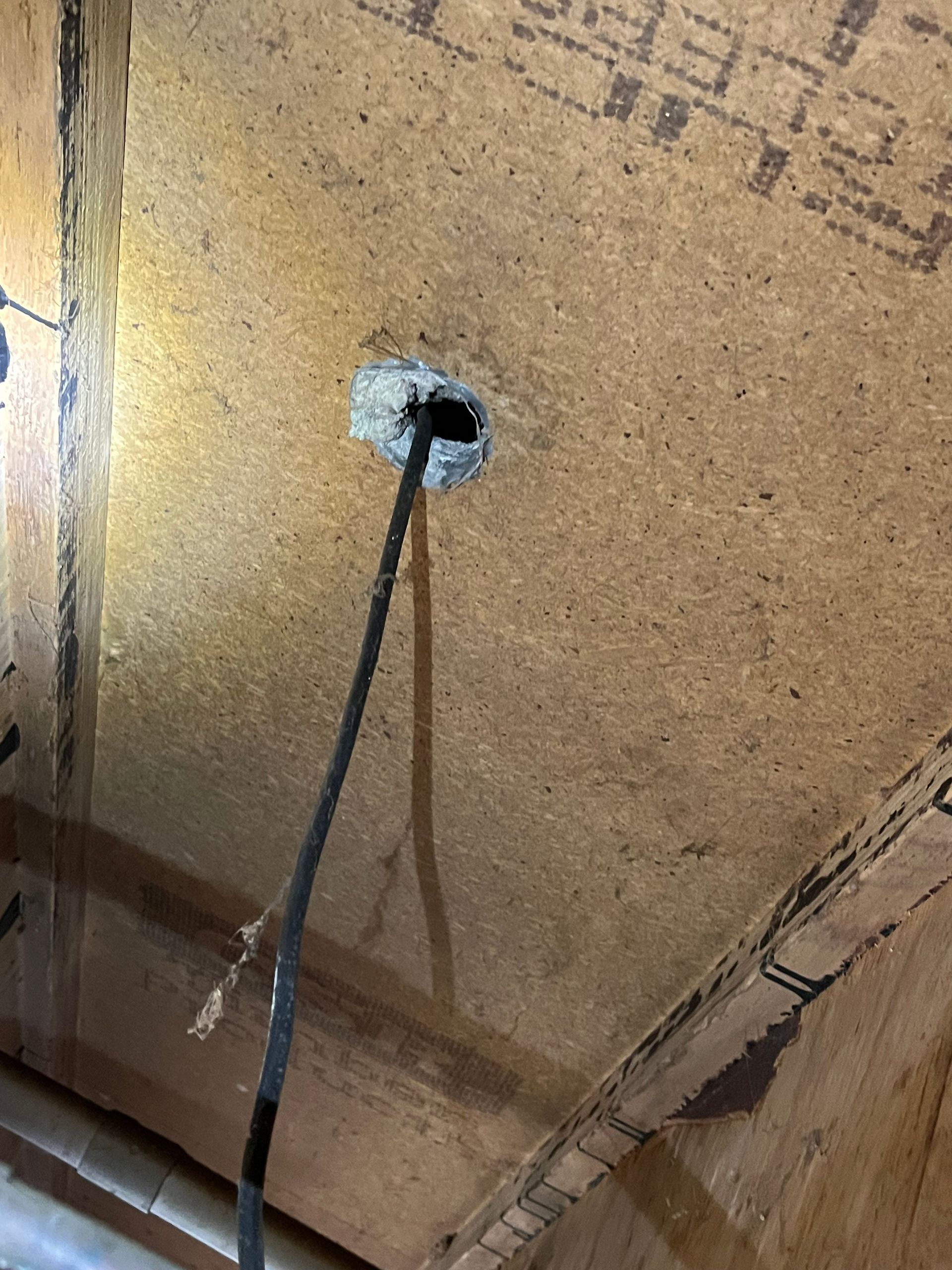
photo of large exposed hole in subfloor with black cable hanging down. rodent rat pest control naturewise port macquarie nsw

The Hidden Cost of Cheap One-Off Treatments


During inspections it is not uncommon to encounter evidence of previous pest control work that relied on minimal baiting — sometimes just one or two bait stations placed in a roof cavity as a one-off treatment with no follow-up or monitoring included.

While these treatments may appear inexpensive initially, they often fail to address the true size of a rodent population. Without adequate bait coverage, follow-up inspections or monitoring to confirm population reduction, infestations can remain active or quickly rebound. Research into urban rodent population dynamics has demonstrated that rodent populations are capable of rapid recovery following control efforts through both in-place reproduction and compensatory immigration from surrounding areas — with treated sites in some studies returning to pre-treatment infestation levels within weeks of an incomplete intervention.[7] Over time, unresolved infestations allow populations to establish and grow, significantly increasing the cost and complexity of legitimate control programs later.

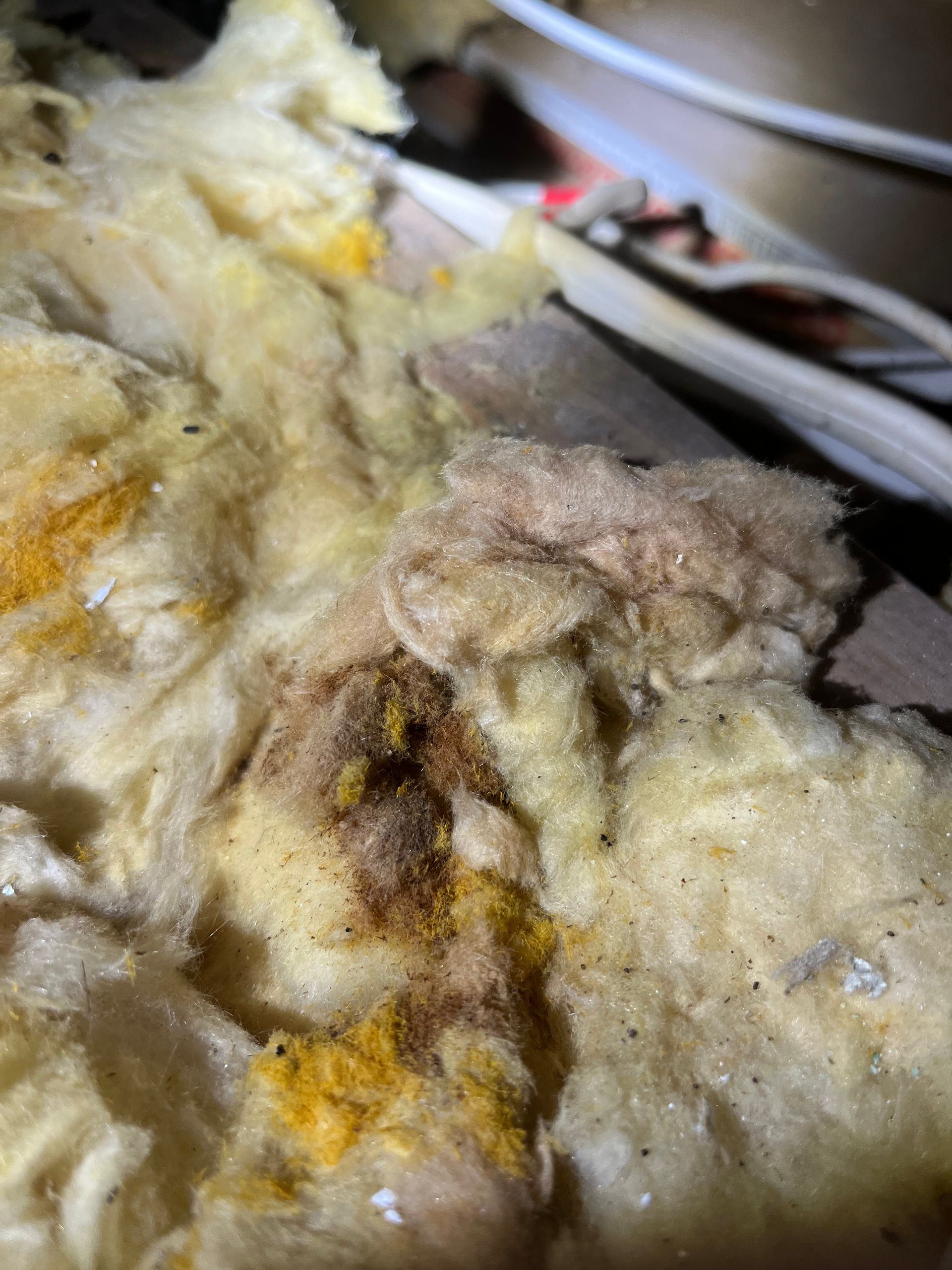
insulation in roof cavity colored different shades of yellow, orange and brown from rodent urine. rodent rat pest control naturewise port macquarie nsw

In severe cases, rodents either living undetected or after ineffective treatments in roof cavities may urinate across insulation and structural surfaces for extended periods.


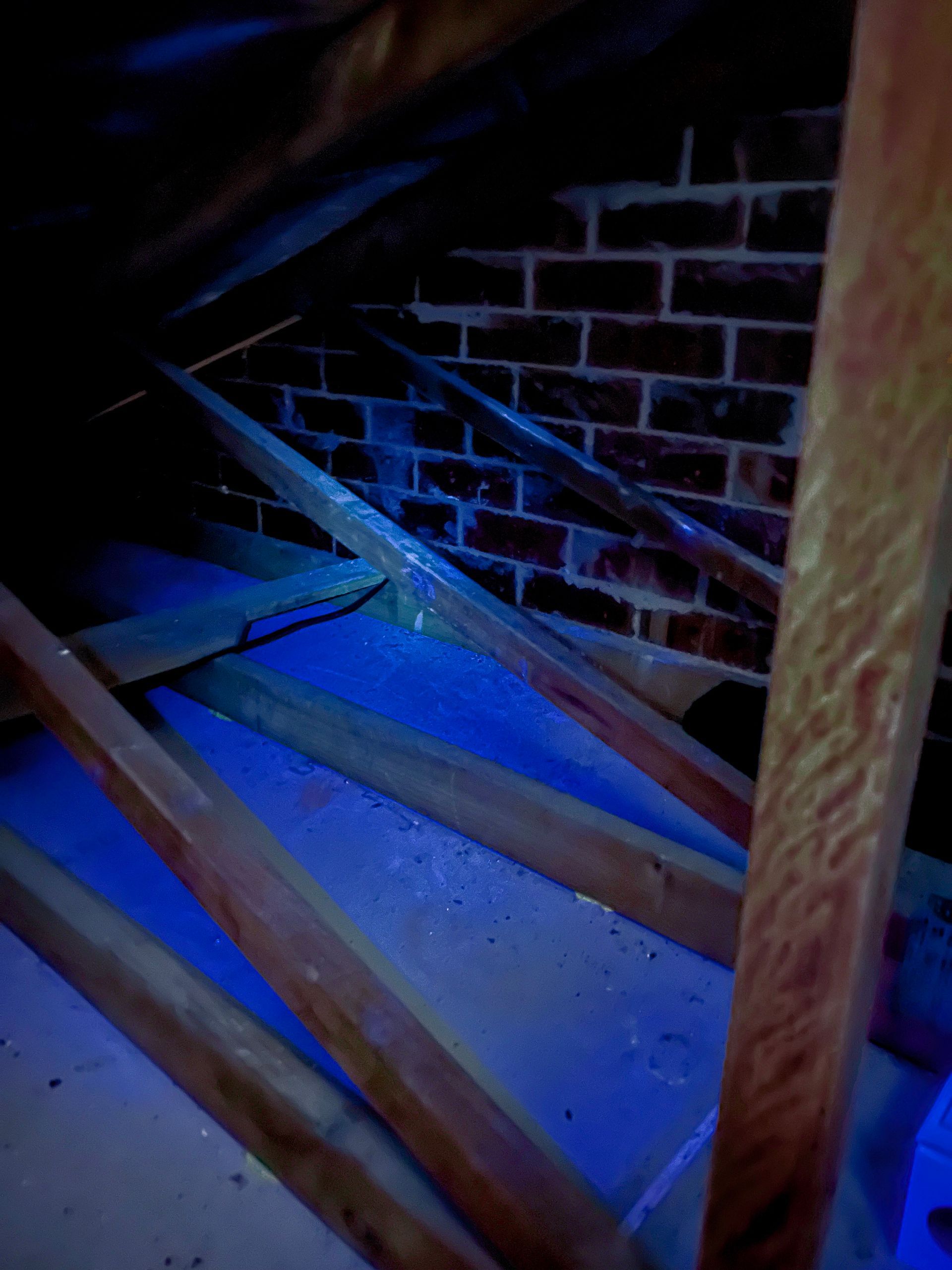
Rodents continuously deposit urine as they travel, and this contamination produces a strong persistent odour that can permeate through the home; fresh and dried rodent urine also fluoresces under ultraviolet (UV) light, a property used by pest managers during building inspections.[9] 


Urine and waste that soaks into porous materials such as roof insulation can be extremely difficult to remove, and in serious cases remediation requires full insulation replacement and chemical treatments— a cost that can run to several thousand dollars.


Scented candles may offer short-term relief, but they are no match for crystallised urine residue left throughout a roof cavity. During periods of high humidity or wet weather, this residue undergoes deliquescence — a process where crystalline material reabsorbs atmospheric moisture, dissolves, and releases a fresh wave of ammonia gas — causing the full odour to return even after rodents are long gone.[14,15]


How Professional Rodent Monitoring Works


Effective rodent management begins with identifying the scope and activity levels of an infestation before control measures are implemented. Professional pest managers use specialised monitoring tools to confirm where rodents are travelling and nesting:

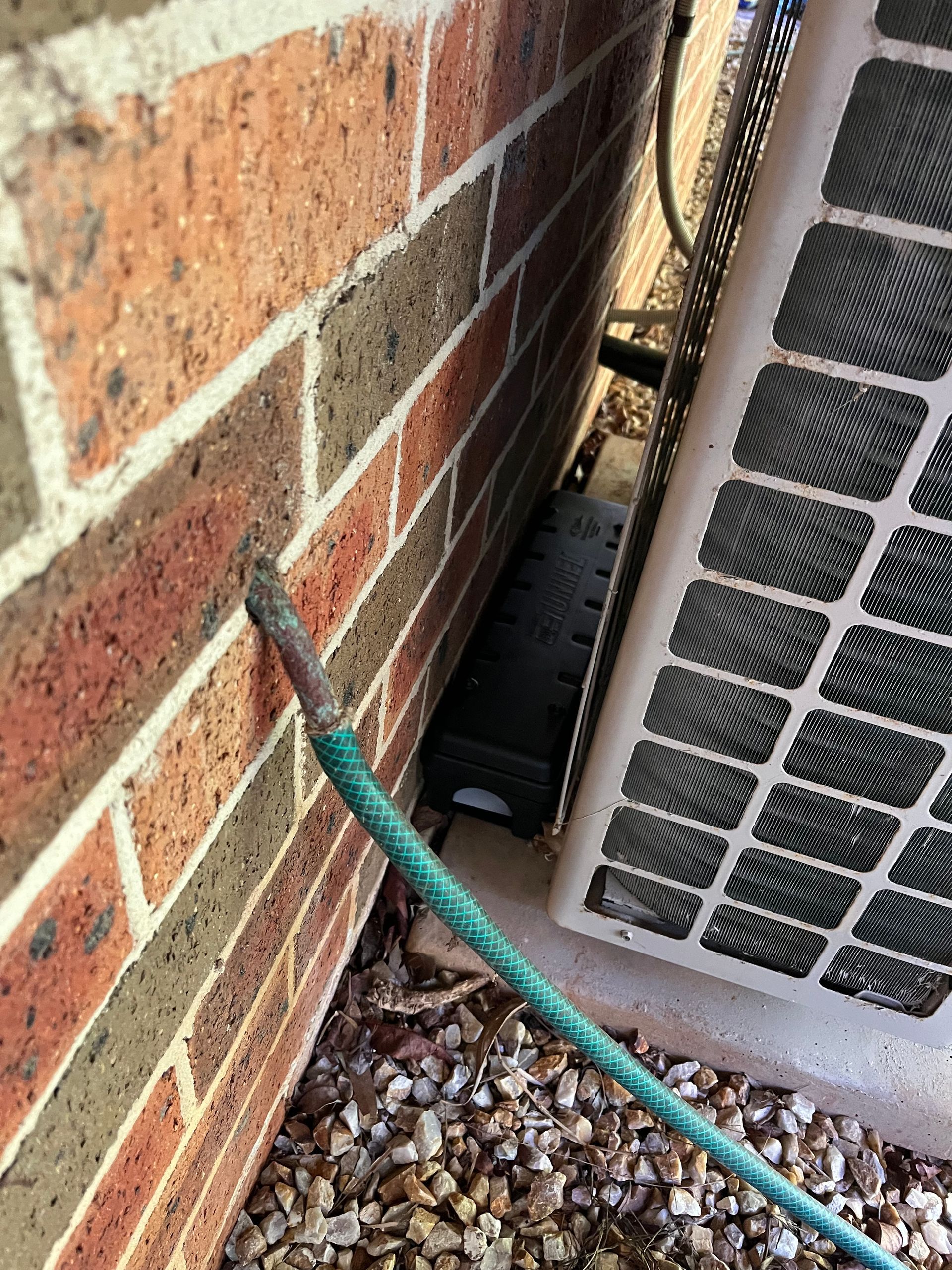
  • Tracking powders that adhere to rodent feet and reveal active movement pathways through the structure, helping identify entry points and runs that may not otherwise be visible.[8]
  • Tracking tunnels with ink pads that capture footprints, confirming species identity and current activity levels. Inked tunnel systems have been validated as reliable tools for detecting invasive rodent species and distinguishing between them based on footprint characteristics.[13]
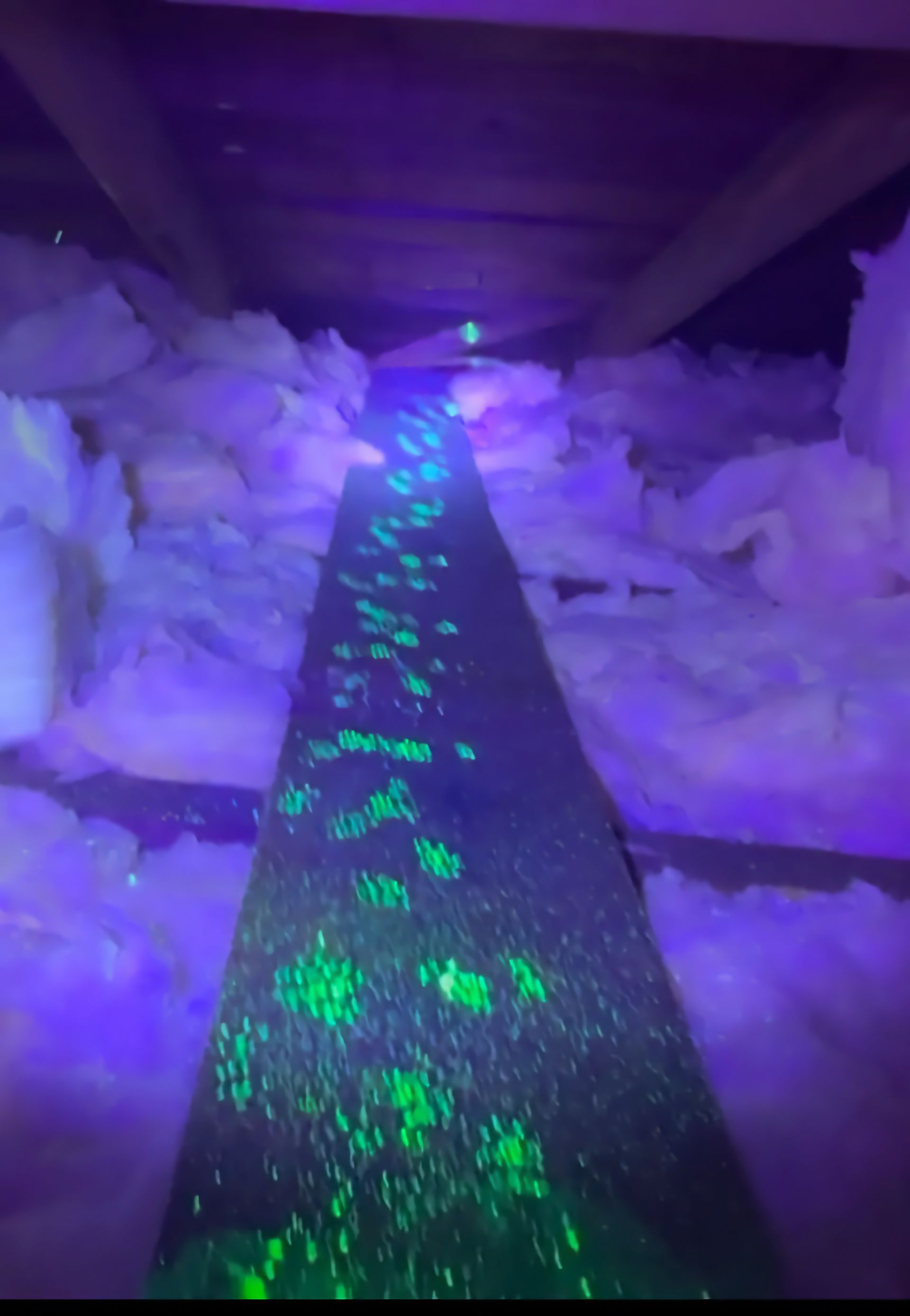
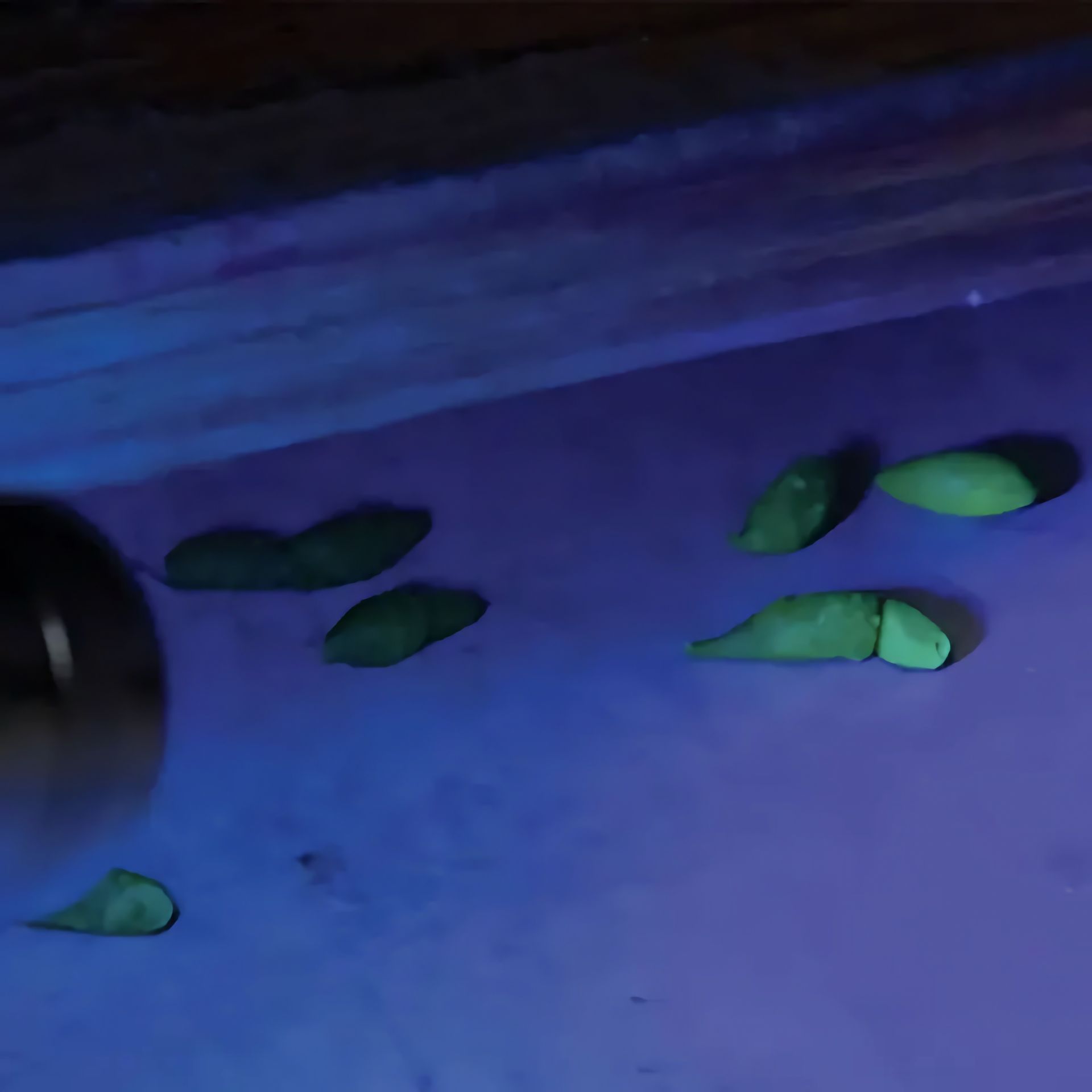
  • UV-visible non-toxic monitoring baits that cause rodent droppings to fluoresce under UV or black light, allowing technicians to differentiate between historical droppings and current activity — a key step in assessing whether an infestation is active or residual.[9]
  • Smart monitoring sensors that wirelessly transmit bait station activity data to cloud platforms, alerting technicians remotely without requiring physical disturbance of stations in roof cavities. IoT-based bait station monitoring systems have been shown to provide timely, real-time field data to inform pest management decisions.[11,12]


A tracking tunnel used to identify rodent species by ink footprints left on paper card inserts. rodent rat pest control naturewise port macquarie nsw
UV rodent bait non-toxic used to identify historic vs active rodent activity.  purple light illuminates rat droppings glowing green in roof cavity. pestrol australia naturewise pest control port macquarie nsw

These tools allow technicians to build an accurate picture of activity patterns while minimising disturbance. Rodents — particularly rats (Rattus norvegicus and Rattus rattus) — are naturally cautious around unfamiliar objects, a behaviour known as neophobia that can substantially reduce bait uptake when rodenticides are first applied.[8] 


Bait shyness, which can develop following sublethal exposures or where neophobia leads to insufficient bait consumption, may also persist for extended periods and further compromise control outcomes if disturbance is not carefully managed.[8,10] 


Limiting unnecessary interference with monitoring stations helps prevent these avoidance responses and improves the overall effectiveness of the control program.

A Broader Approach to Rodent Control


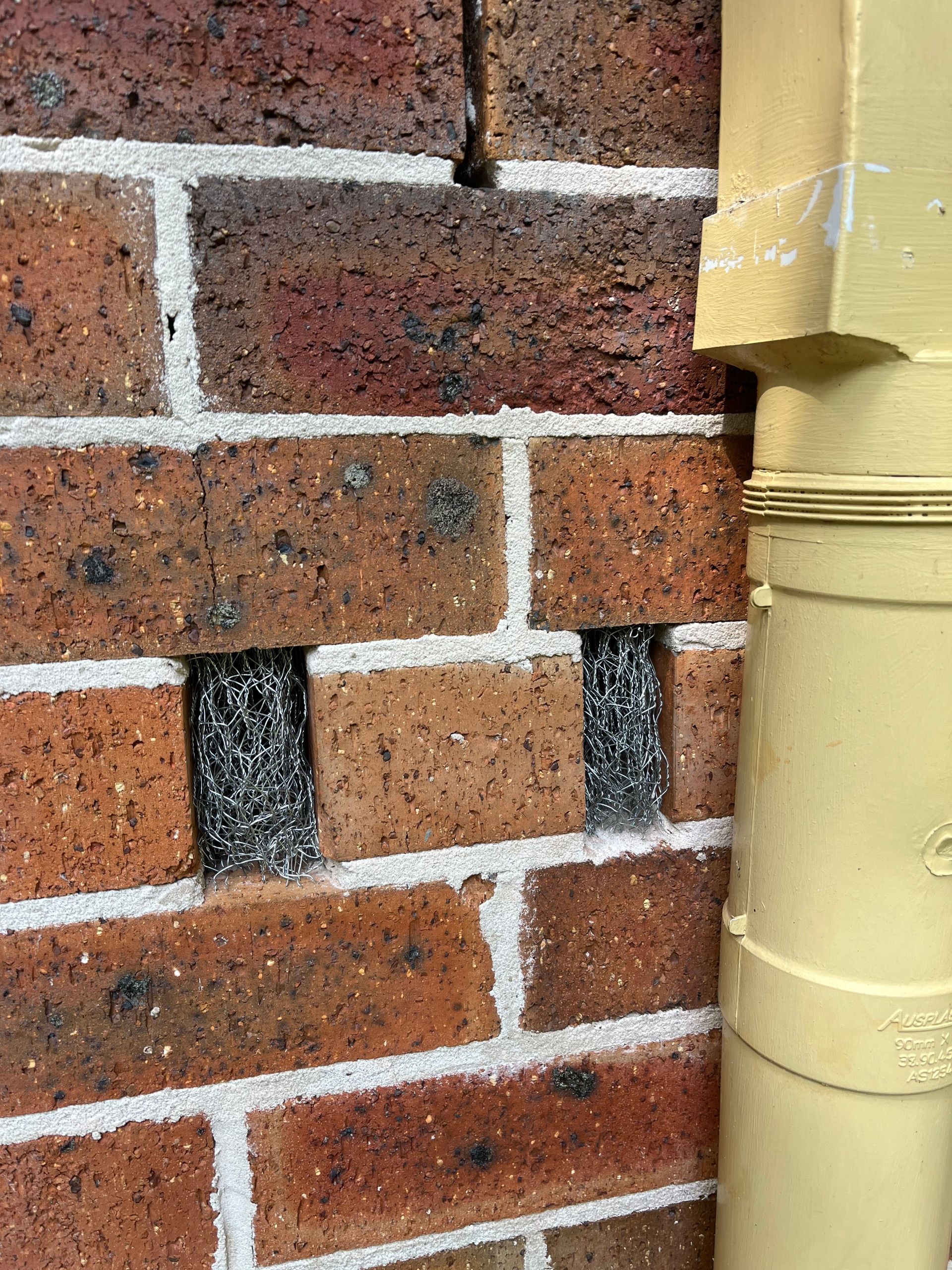
weep holes on home red brickwork with rodent pest proofing steel wool, yellow drain pipe to right. rodent pest prevention proofing  pest control NatureWise port macquarie nsw

Effective rodent management generally involves a comprehensive treatment approach rather than any single intervention.


This typically includes strategic baiting to reduce active populations, identifying and sealing structural entry points, improving sanitation and reducing habitat around the property, and ongoing monitoring to confirm population reduction or elimination.[1,2]

Because rodent pressure varies considerably depending on surrounding environments, some properties — particularly those near bushland, reserves or complex building structures — benefit from ongoing seasonal monitoring rather than isolated one-off treatments.


Evidence from the Sydney urban-bushland interface demonstrates that black rats perceive native vegetation as a resource-rich habitat and will exploit both urban and bushland environments simultaneously, meaning control programs that address only the built environment may face ongoing pressure from adjacent natural areas.[5,6]

Planning Ahead for Winter


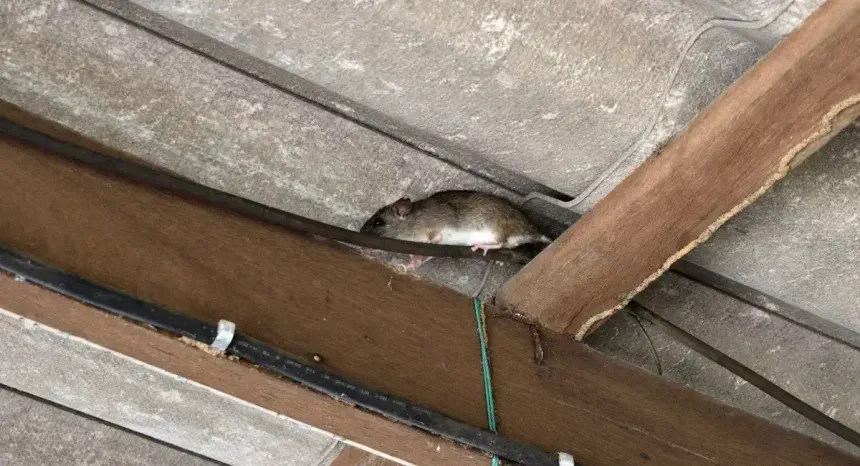
rattus rattus roof rat climbing along cables grey roof tiles and brown wooden beams rodent control pest proofing rat infestation naturewise pest control port macquarie

The most effective time to address rodent risks is before winter populations establish themselves inside buildings. Early inspections allow potential entry points to be identified and monitoring systems to be installed before activity becomes severe.[1]

By taking a proactive approach and working with experienced pest professionals who use proper monitoring and follow-up procedures, homeowners can avoid the long-term costs and disruption associated with large established rodent infestations.[2,3]

Do you suspect a rodent infestation? Contact us today for a free inspection and quote.

References

  1. Corrigan RM. Rodent Control: A Practical Guide for Pest Management Professionals. Cleveland: GIE Media; 2001.
  2. Singleton GR, Hinds LA, Krebs CJ, Spratt DM. Rats, Mice and People: Rodent Biology and Management. Canberra: Australian Centre for International Agricultural Research; 2003. Available from: https://www.researchgate.net/publication/272887645_Singleton_Hinds_Krebs_Spratt_BOOK_Rats_mice_and_People_2003
  3. Buckle AP, Smith RH. Rodent Pests and Their Control. 2nd ed. Wallingford: CABI Publishing; 2015. Available from: https://www.researchgate.net/publication/286096196_Rodent_pests_and_their_control
  4. Byers KA, Lee MJ, Patrick DM, Himsworth CG. Rats About Town: A Systematic Review of Rat Movement in Urban Ecosystems. Front Ecol Evol. 2019;7:13. doi:10.3389/fevo.2019.00013. Available from: https://www.frontiersin.org/journals/ecology-and-evolution/articles/10.3389/fevo.2019.00013/full
  5. Banks PB, Smith HM. The ecological impacts of commensal species: black rats, Rattus rattus, at the urban–bushland interface. Wildl Res. 2015;42(2):86–97. doi:10.1071/WR15048. Available from: https://www.publish.csiro.au/WR/WR15048
  6. Adams MWD, Grant LS, Kovacs TGL, Liang SQT, Banks PB. Commensal black rats Rattus rattus select wild vegetation over urbanised habitats. Oikos. 2023;e09671. doi:10.1111/oik.09671. Available from: https://nsojournals.onlinelibrary.wiley.com/doi/10.1111/oik.09671
  7. Neves KAL, Feliciano JP, Schrago CG, Costa F, Loureiro AP, Carvalho-Costa FA. Population dynamics of synanthropic rodents after a chemical and infrastructural intervention in an urban low-income community. Sci Rep. 2022;12:10041. doi:10.1038/s41598-022-14474-6. Available from: https://www.nature.com/articles/s41598-022-14474-6
  8. Clapperton BK. A review of the current knowledge of rodent behaviour in relation to control devices. Sci Conserv. 2006;263:1–55. Available from: https://www.doc.govt.nz/documents/science-and-technical/sfc263.pdf
  9. Portnoy JM, Sublet J, Kennedy K, Phipatanakul W, Barnes C, Grimes C, et al. Environmental assessment and exposure reduction of rodents: a practice parameter. J Allergy Clin Immunol. 2012;129(3 Suppl):S1–S53. doi:10.1016/j.jaci.2011.11.040. Available from: https://pmc.ncbi.nlm.nih.gov/articles/PMC3519934/
  10. Jacob J, Buckle A. The need to implement the landscape of fear within rodent pest management strategies. Pest Manag Sci. 2018;74(9):1896–1904. doi:10.1002/ps.4696. Available from: https://pmc.ncbi.nlm.nih.gov/articles/PMC5697575/
  11. Quinn NM, Burke CB, Stapp P. An IoT Smart Rodent Bait Station System Utilizing Computer Vision. Sensors (Basel). 2020;20(17):4670. doi:10.3390/s20174670. Available from: https://pmc.ncbi.nlm.nih.gov/articles/PMC7506980/
  12. Lai SC, Wang ST, Liu KL, Wu CY. A Remote Monitoring System for Rodent Infestation Based on LoRaWAN. Sensors (Basel). 2023;23(9):4185. doi:10.3390/s23094185. Available from: https://pmc.ncbi.nlm.nih.gov/articles/PMC10180839/
  13. Vial F, Osen K, Roder G, Wirtz S. Discriminating footprints to improve identification of congeneric invasive Rattus species. Pest Manag Sci. 2025. doi:10.1002/ps.8774. Available from: https://pmc.ncbi.nlm.nih.gov/articles/PMC12441767/
  14. Eisa M, RagauskaitÄ— D, Shi J, Shimizu S, Bucko T, Williams C, Baltrusaitis J. Interactions of Urea Surfaces with Water as Relative Humidity Obtained from Dynamic Vapor Sorption Experiments, In Situ Single-Particle Raman Spectroscopy, and Ab Initio Calculations. ACS Earth and Space Chemistry. 2023;7(10):2139–2153. doi:10.1021/acsearthspacechem.3c00210
  15. Li X, Staszak M, Mukherjee P, Wolfe AS, Andreae MQ, et al. Observations and Contributions of Real-Time Indoor Ammonia Concentrations during HOMEChem. Environmental Science & Technology. 2019;53(14):8223–8234. doi:10.1021/acs.est.9b02157


By Clint Mcmanus March 13, 2026
Why Technomyrmex albipes is Port Macquarie's most relentless pest ant — and why fighting them the wrong way makes everything worse.
Two Red Ants on a Brown Twig, Antennae Touching — NatureWise Pest Control In Port Macquarie, NSW
By Clint Mcmanus March 11, 2026
Contents:
Brown Cockroach on a Textured White Surface — NatureWise Pest Control In Port Macquarie, NSW
March 11, 2026
A German cockroach freshly molted. Source: Pest help
Beetle With Orange and Cream Shell — NatureWise Pest Control In Port Macquarie, NSW
By Clint Mcmanus March 9, 2026
I remember a warm night on a road trip from Port Macquarie to Sydney. We pulled over at a rest stop under fluorescent street lights—and suddenly the air was full of buzzing. Dozens of Christmas beetles, drawn to the glare, flitted in waves. Their flight was unsteady, almost comical in its clumsiness—but mesmerising. When they landed, their shells glowed dusky gold or bronze; sometimes streaks of green or copper shimmered across their backs under the light.  That scene stirred something primal: a sense of summer, of wild nature brushing up against our human spaces. It felt like magic. Recently this year I saw two Christmas beetles near Port Macquarie. Not a swarm, not dozens—but two. It was surreal, and stirred hope. Does that mean they're coming back? Probably not. But perhaps it's a small sign that under the right conditions, they still find their way.
Photographs of the rattle ant (Polyrhachis australis), showing glossy black worker ant approximately
By Clint Mcmanus February 15, 2026
Learn about Black Weaver Ants (Polyrhachis australis) in Port Macquarie, Kempsey, Wauchope & Lake Cathie, and how to tell them apart from carpenter ants.
Cockroaches Crawling on a White Surface — NatureWise Pest Control In Port Macquarie, NSW
By Clint Mcmaus September 27, 2025
Discover how to identify and eliminate German cockroaches in Lake Cathie. Expert pest control tips for getting rid of German cockroach infestations in Port Macquarie.
Detailed Drawing of a Flea — NatureWise Pest Control In Port Macquarie, NSW
By Clint Mcmaus September 27, 2025
Discover effective flea treatment advise for your home in Port Macquarie. Learn how veterinary flea treatment for dogs can protect your pets and advise for treating your home for infestations.
Garden With Pink Flowers and Trees — NatureWise Pest Control In Port Macquarie, NSW
By Clint Mcmaus September 26, 2025
Relying on chemical pesticides may give short‑term relief but those products often harm the predators and pollinators that naturally suppress pests. Modern ecological landscaping focuses on creating habitats that encourage native birds, frogs, bats and beneficial insects like lady beetles, hoverflies, lacewings and parasitoid wasps to thrive.
Textured Concrete Wall With Openings — NatureWise Pest Control In Port Macquarie, NSW
By Abbie W. September 18, 2025
Protect your home with non-toxic options and promote safe rodent control measures. Discover effective non-chemical control measures in Port Macquarie.
Spotted Ladybird on Leaf — NatureWise Pest Control In Port Macquarie, NSW
By Clint Mcmaus September 13, 2025
Discover the ultimate guide to beneficial insects for natural pest control in Port Macquarie and NSW gardens. Learn about beneficial insects and where to buy them.
Show More