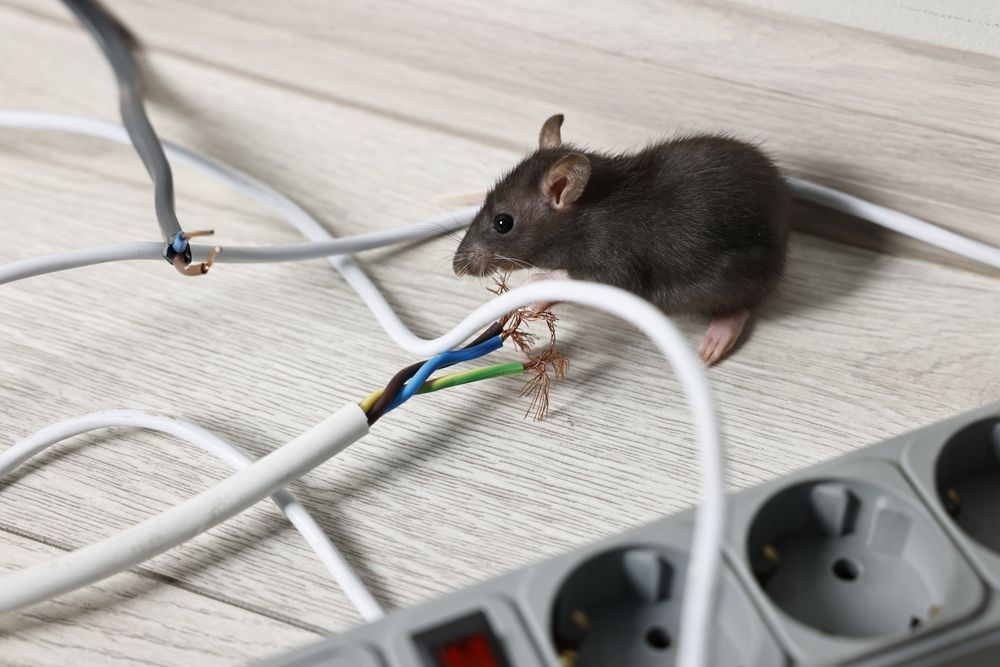
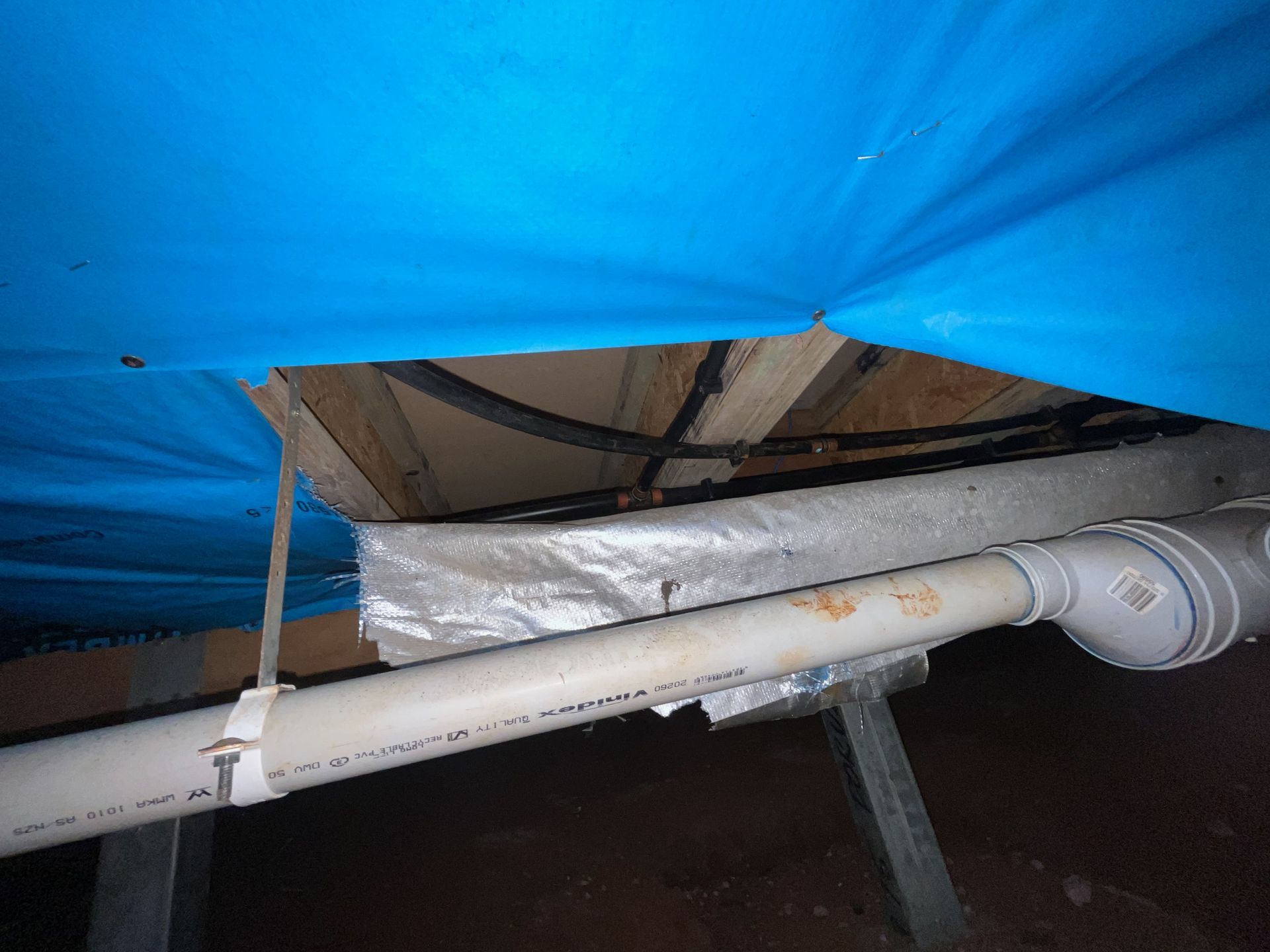
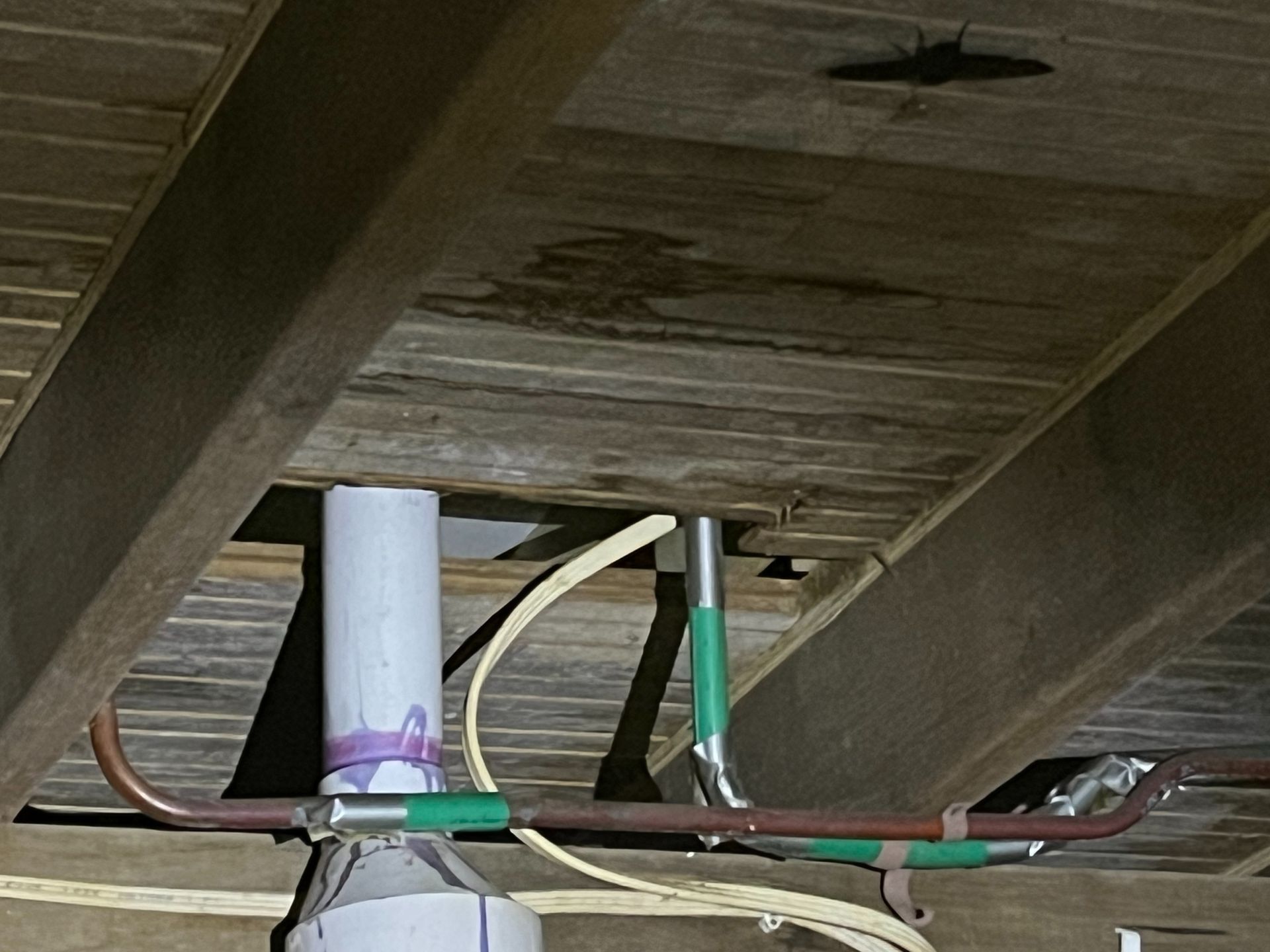
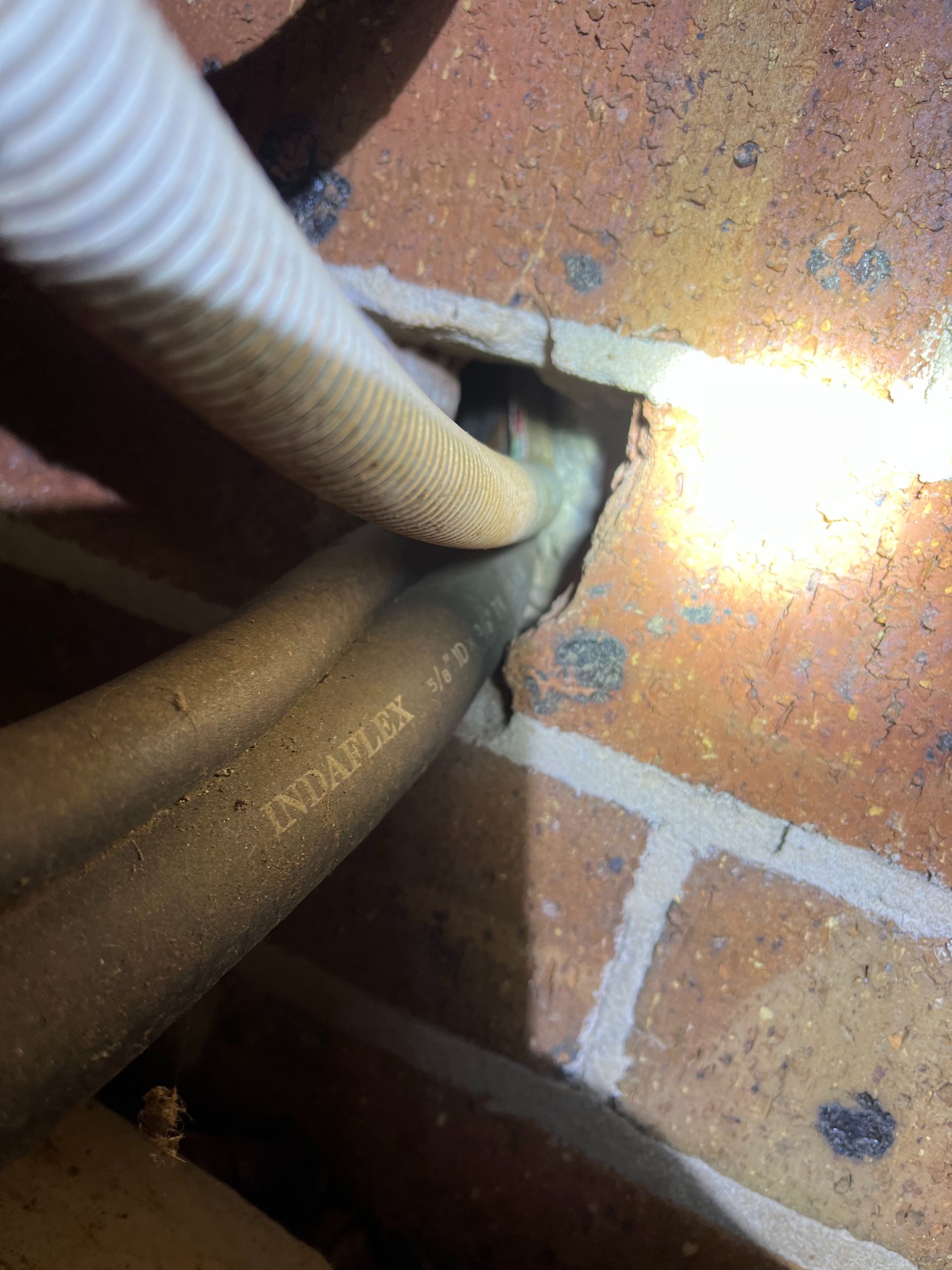
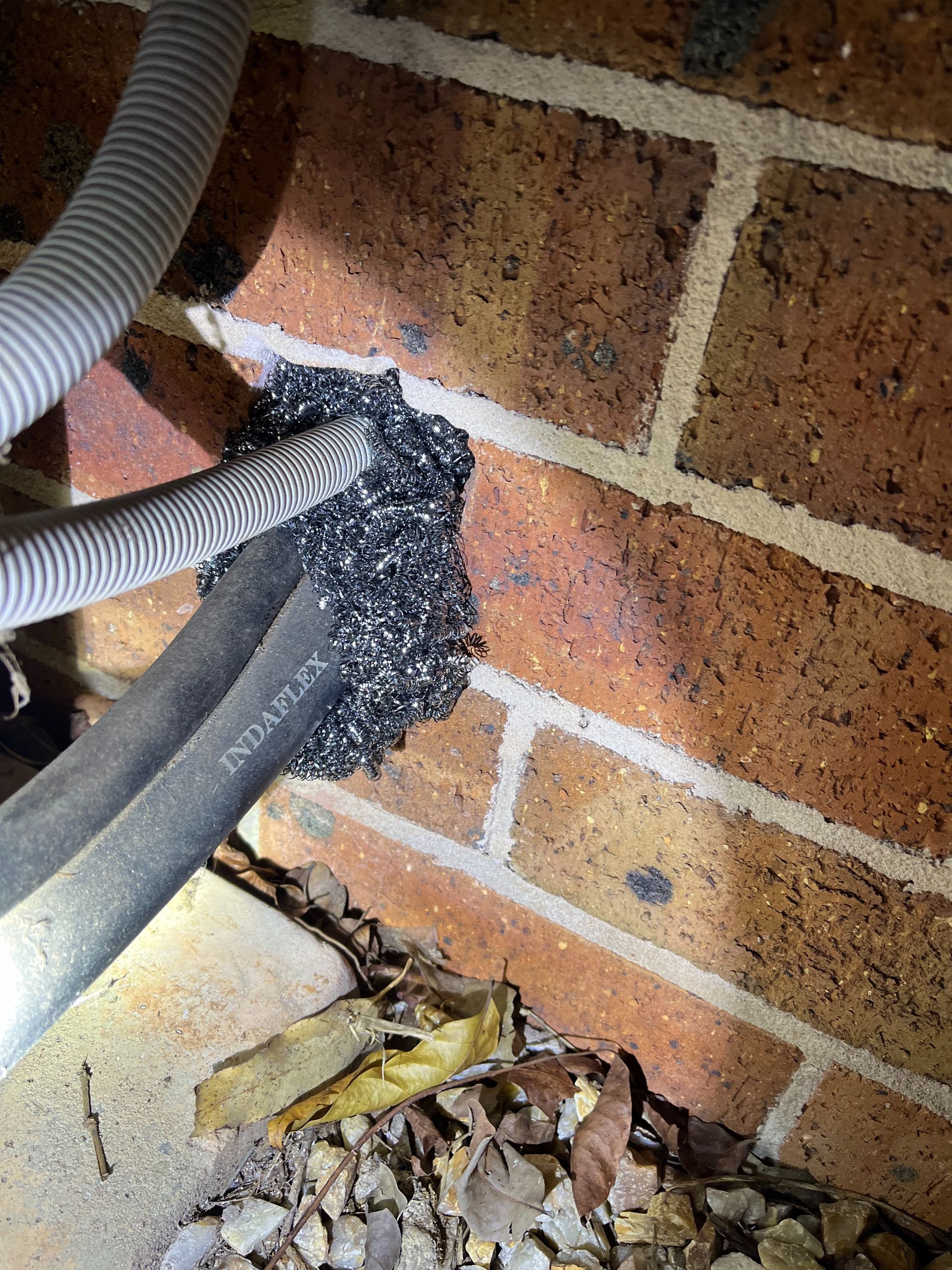
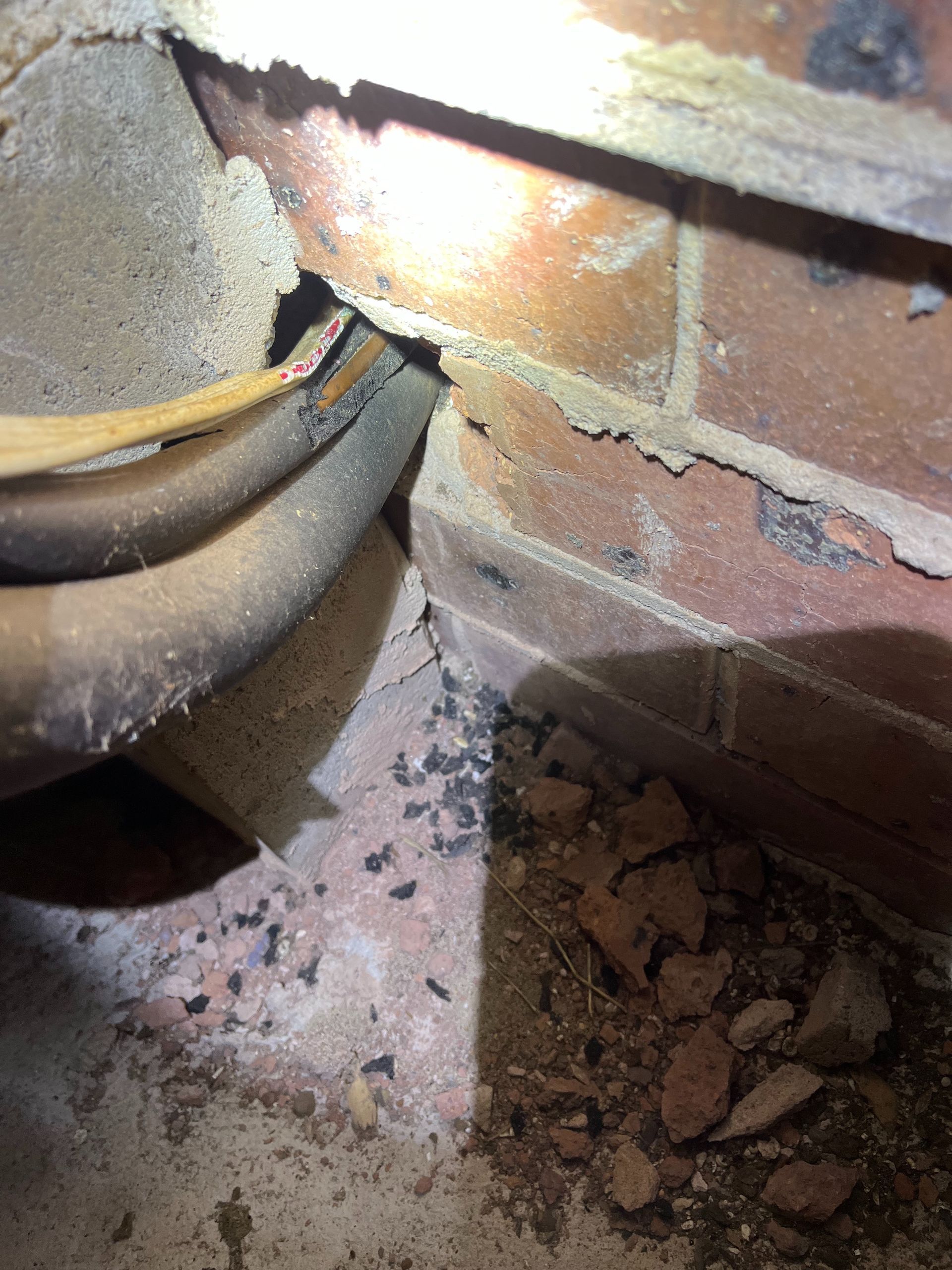
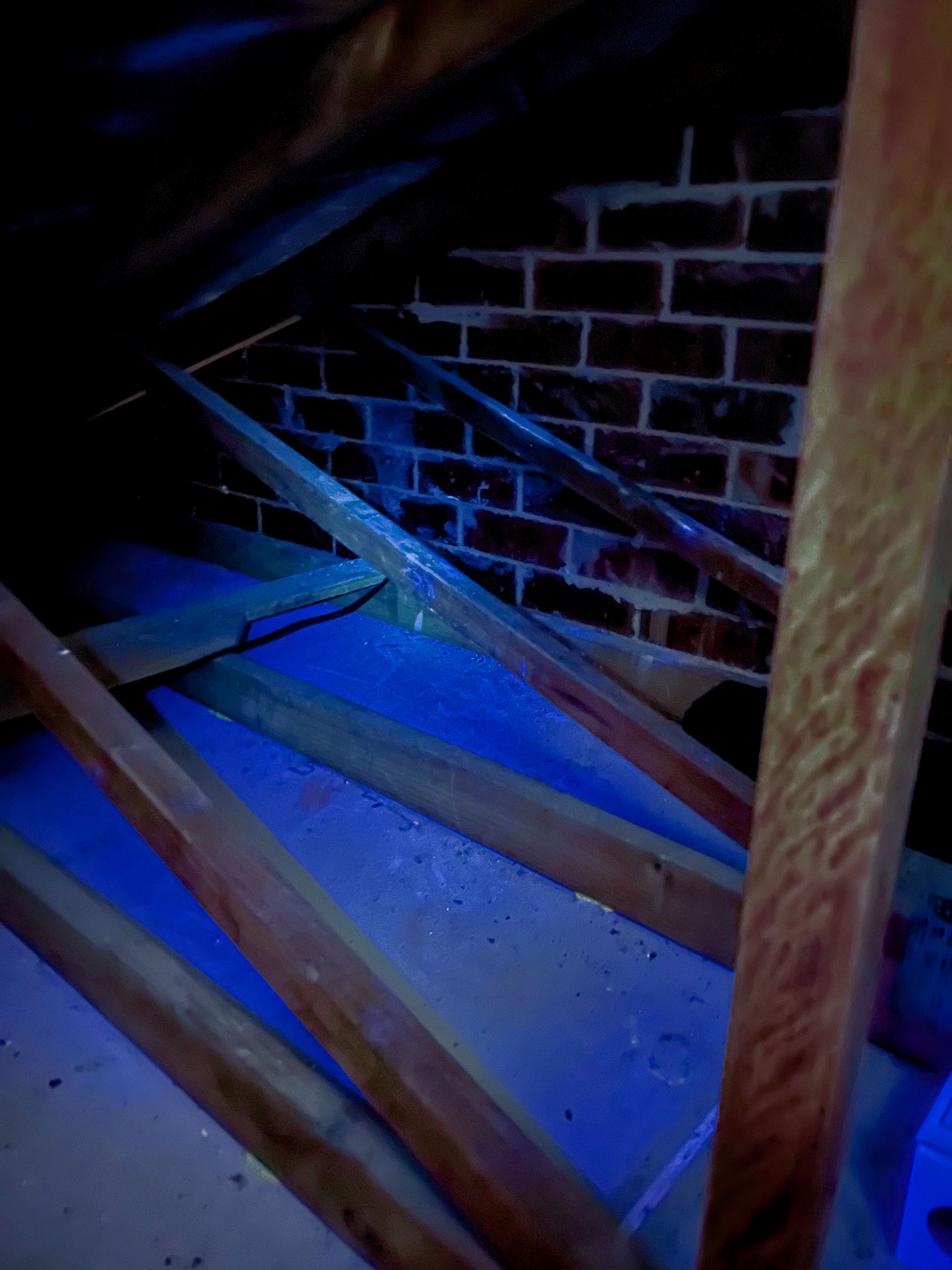
Rodent control starts with a proper inspection. We find the small signs, entry points and risk areas basic treatments can miss.
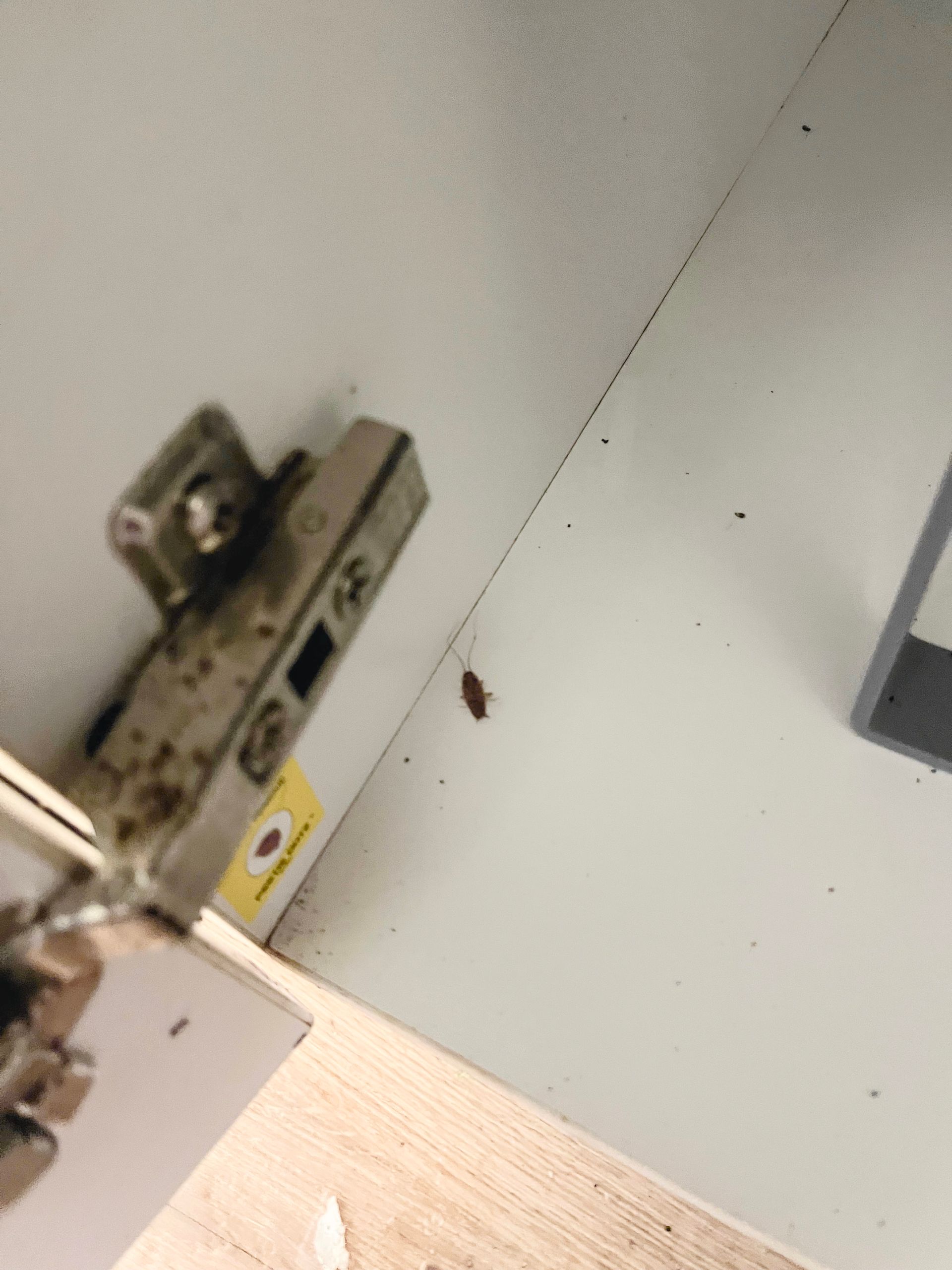
Living in coastal and bushland areas like Port Macquarie means pest pressure is a normal part of home ownership. Warm weather, moisture, and surrounding vegetation create the perfect environment for a range of pests — particularly cockroaches and ants.
More clients than ever are asking about Eco-Friendly pest control options — whether they're caring for young children or pets, or simply sensitive to synthetic chemicals. Port Macquarie
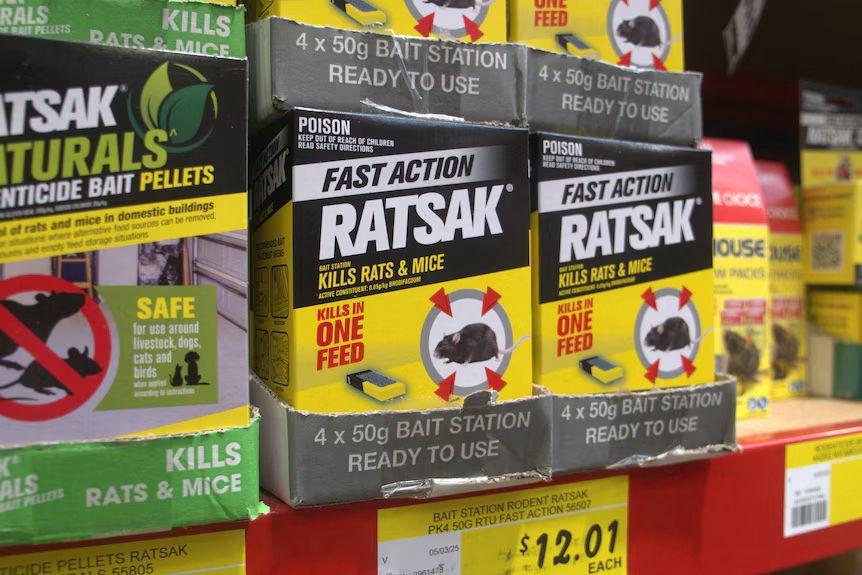
Australia has restricted second-generation rat baits from 24 March 2026. Learn what changed, why it matters for Port Macquarie wildlife, and when to call a licensed pest controller.
Not every pest problem is the same — and not every solution should be either. One of the most important conversations we have with clients is...
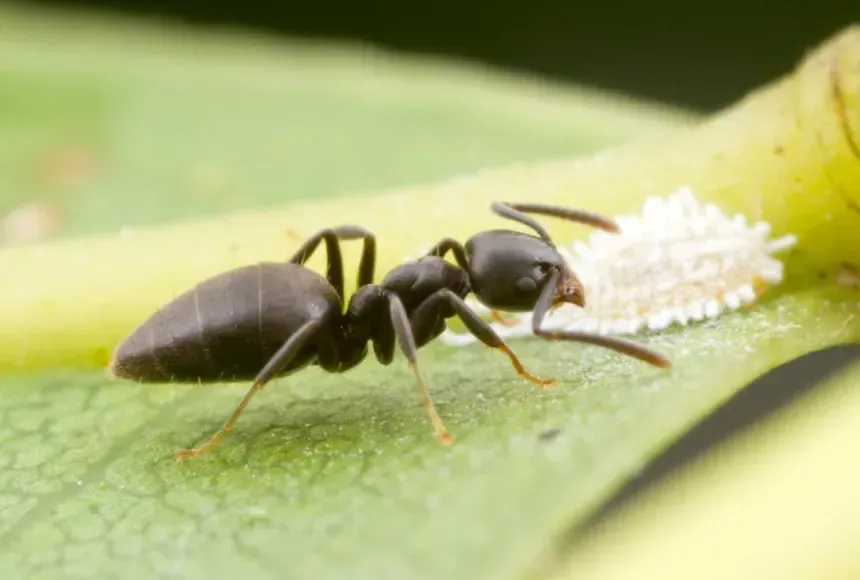
Why Technomyrmex albipes (white footed ant) is Port Macquarie's most relentless pest ant — why fighting them the wrong way makes everything worse. Ant pest control
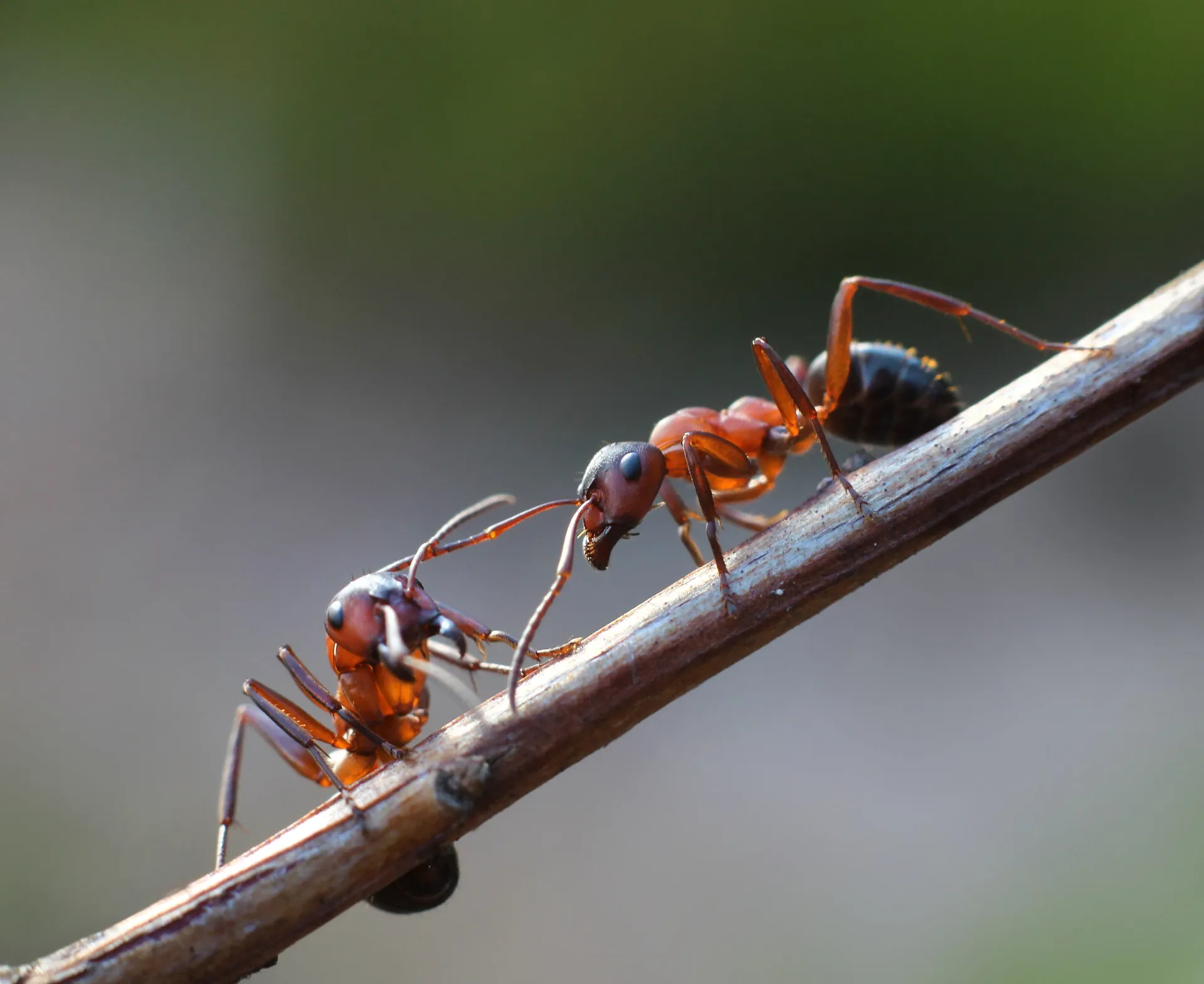
Ants are among the most successful insects on Earth, with their highly organised social structures and remarkable adaptability allowing them to thrive in virtually every terrestrial habitat.
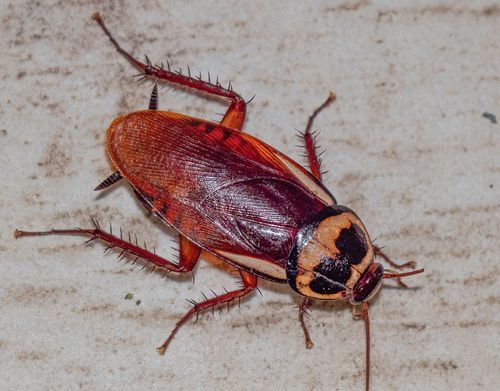
There are many different species of cockroach Australia wide, with some that can be difficult to identify. This article covers many common species you may find in your home in Port Macquarie, and information on pest control options.
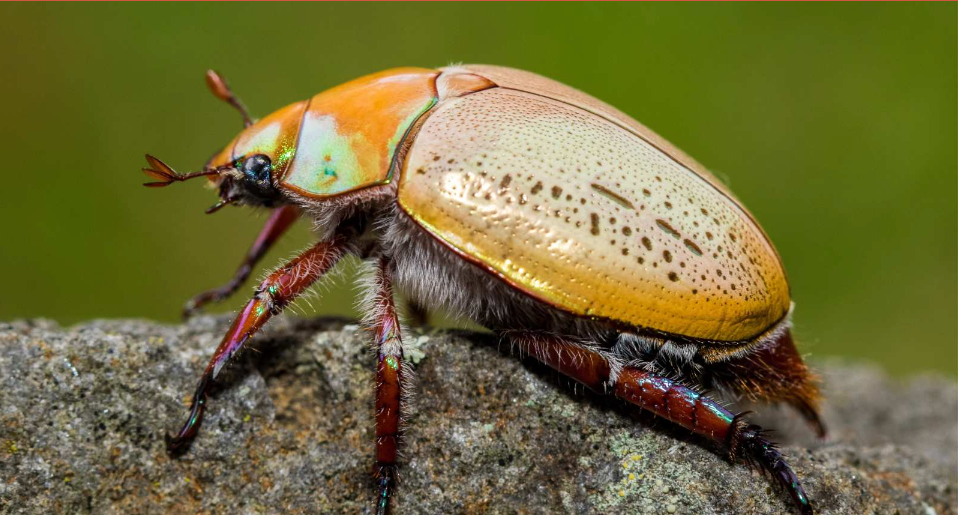
I remember a warm night on a road trip from Port Macquarie to Sydney. We pulled over at a rest stop under fluorescent street lights—and suddenly the air was full of buzzing. Dozens of Christmas beetles, drawn to the glare, flitted in waves. Their flight was unsteady, almost comical in its clumsiness—but mesmerising. When they landed, their shells glowed dusky gold or bronze; sometimes streaks of green or copper shimmered across their backs under the light. That scene stirred something primal: a sense of summer, of wild nature brushing up against our human spaces. It felt like magic. Recently this year I saw two Christmas beetles near Port Macquarie. Not a swarm, not dozens—but two. It was surreal, and stirred hope. Does that mean they're coming back? Probably not. But perhaps it's a small sign that under the right conditions, they still find their way.
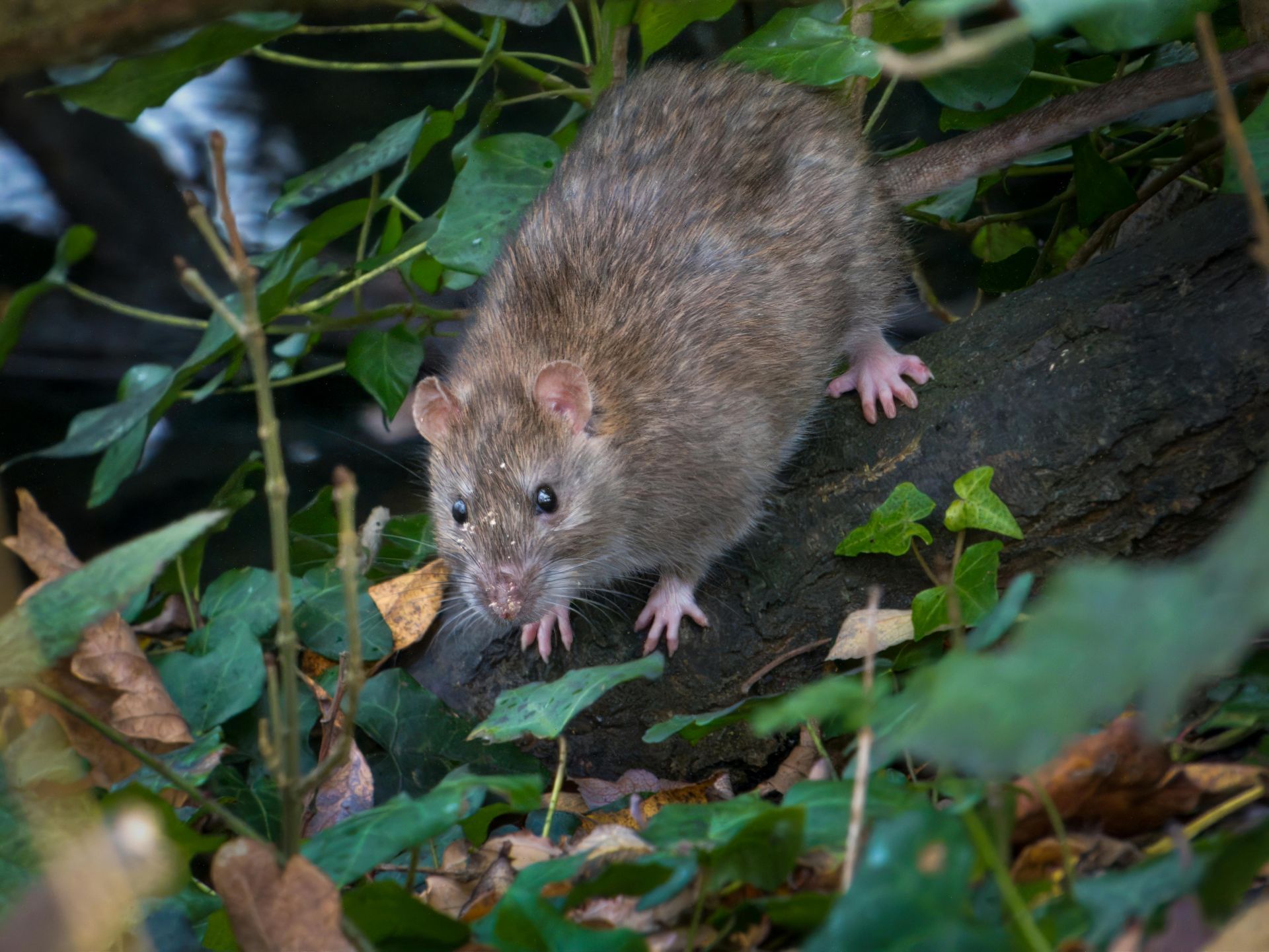
As temperatures begin to drop across Australia, rodents such as rats and mice start searching for warm, sheltered places to nest. Effective rodent control...


